

An impressive bronze statue of Maharana Pratap on his favourite horse Chetak, stands atop the Moti Magri overlooking Fateh Sagar.

A majestic architectural marvel towering over the lake on a hill surrounded by crenelated walls, it is a conglomeration of courtyards, pavilions, terraces, corridors, rooms and hanging gardens.

Now a hotel but was originally called Jagniwas and served as a summer palace. Built between 1743 and 1746 on the island near Jagmandir in Lake Pichola, the palace, which faces east, is a wondrous sight to behold.
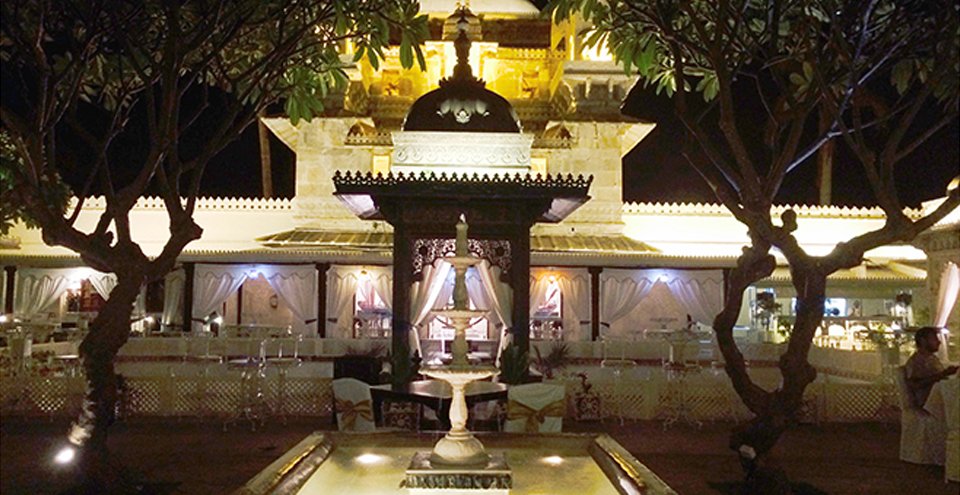
Jagmandir is a palace built on an island on the Lake Pichola. Also called the ‘Lake Garden Palace’, the construction for this began in 1620 and was completed around 1652.
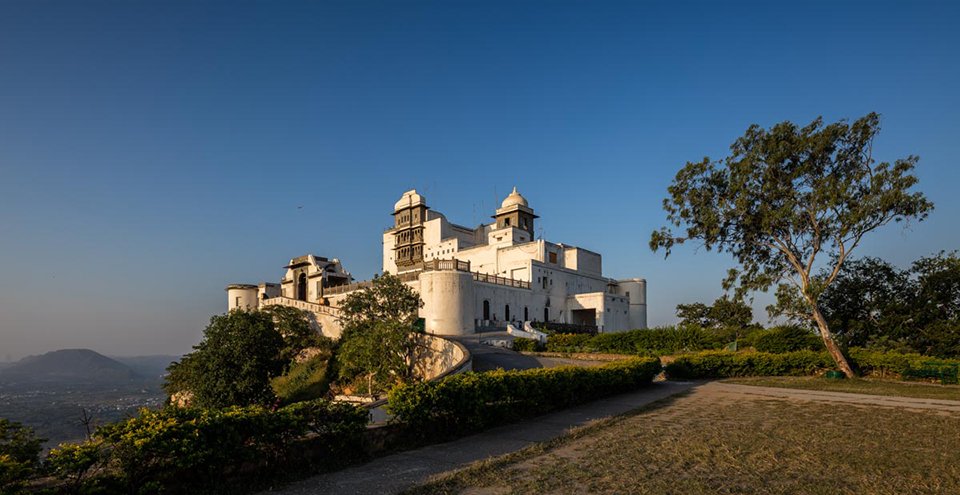
Situated just outside Udaipur, this 19th-century palace is built on top of Bansdara hills. Used as a monsoon palace and hunting lodge.

Ahar Museum is in close proximity to an impressive cluster of cenotaphs of the Maharanas of Mewar. The museum has a small, but rare collection of earthen pottery.

An example of the Indo-Aryan style of architecture, Jagdish Temple was built in 1651 and continues to be one of the most famous temples in and around Udaipur.

This delightful lake, bordered by hills and woodlands, lies to the north of Lake Pichola. This artificial lake is connected to Lake Pichola by a canal.
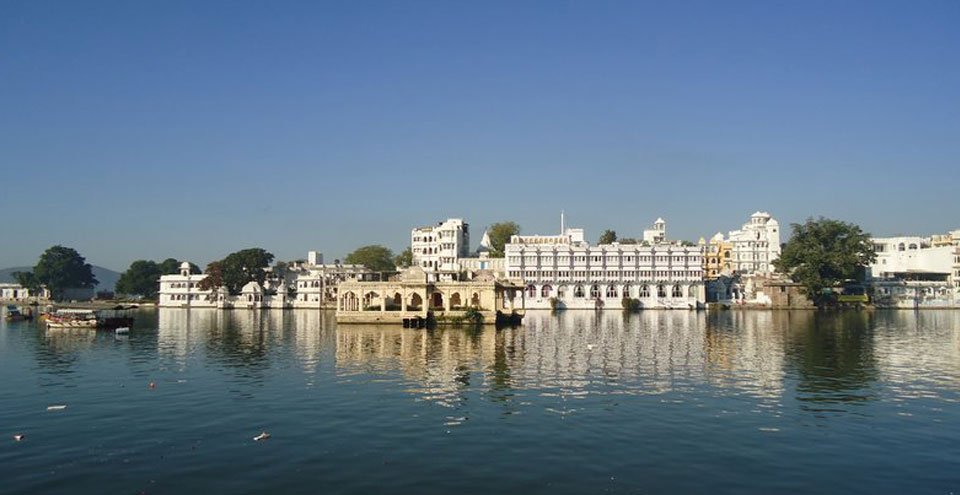
Picholi was the name of a village that lent its name to the lake. The islands of Jagniwas and Jagmandir are housed in this lake. Along the eastern banks of the lake lies the City Palace.

Built by Maharana Sangram Singh II as a garden for women, Saheliyon-ki-Bari or the Garden of the Maidens is a popular tourist destination.

Bird Park at Gulab Bagh spreads over 5.11 hectare area. It has 12 enclosures. It has assorted Parrots house, Macaw and Cockatoo Courtyard, Lesser Passerine Section, Galliformes Runway,etc
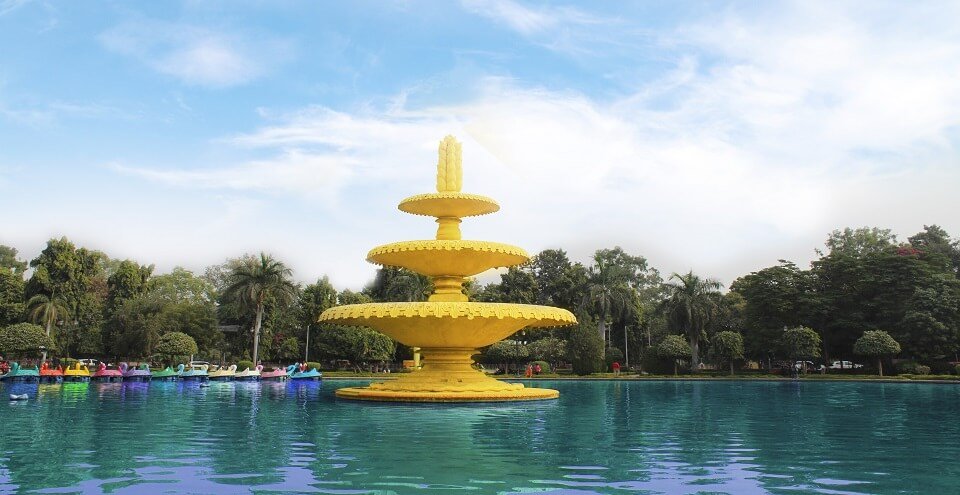
Sukhadia Circle lies to the north of Udaipur. It comprises a small pond that also houses a 21 foot tall, three-tiered marble fountain.
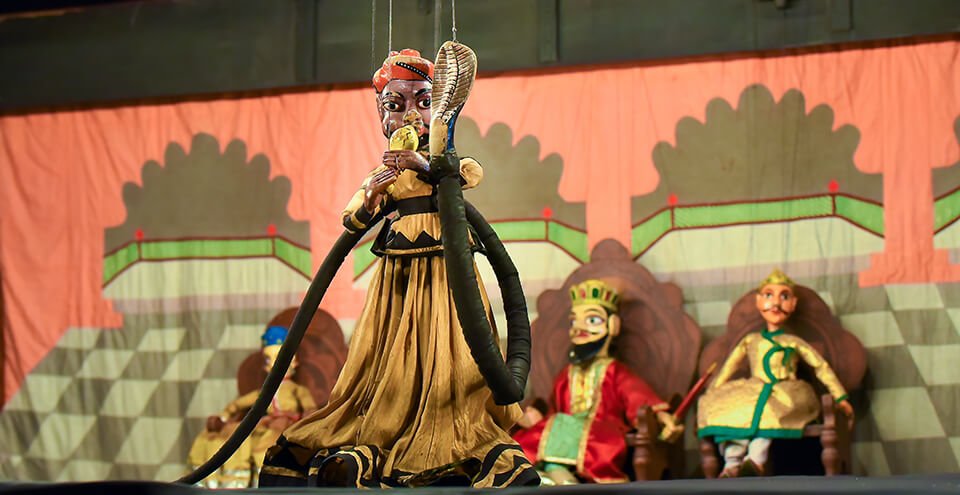
Dedicated to the study of folk art, culture, songs and festivals of Rajasthan, Gujrat and Madhya Pradesh, Bharatiya Lok Kala Mandal is a cultural institution in Udaipur.

Bagore-ki-Haveli is located by Lake Pichola, at Gangaur Ghat. Amar Chand Badwa, the Prime Minister of Mewar, built it in the 18th century.

Situated 7 kms west of Udaipur near Lake Fateh Sagar is the Centre's Shilpgram - the Rural Arts and Crafts Complex.

Udai Sagar Lake is one of the five striking lakes situated in Udaipur. Located about 13 kilometres to the east of Udaipur, the construction of this lake was started in 1559 by Maharana Udai Singh.
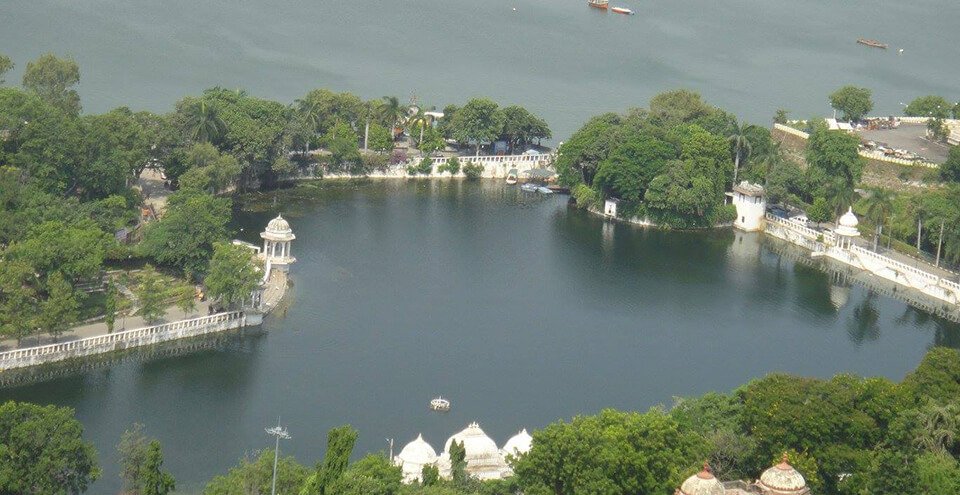
The road that takes visitors to Pichola Lake has another popular destination – the Doodh Talai Lake. The lake is nestled between several small hillocks which themselves are tourist attractions.

Jaisamand Lake is known for being the second largest man-made sweet water lake in Asia. It is popular among the locals as a weekend picnic destination.
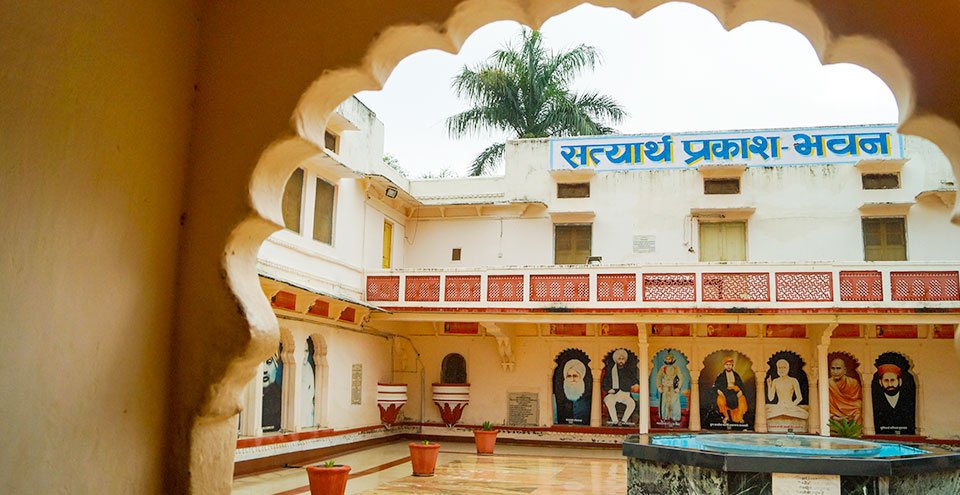
Navalakha Mahal is situated in the heart of a Gulab Bag which was originally laid out in the nineteenth century in the historical city of Udaipur.

The Hollywood Wax Museum is an exciting interactive visitor attraction located on Sajjangarh road. The Museum has been designed to deliver an interactive experience taking you on a journey through wax effigy.
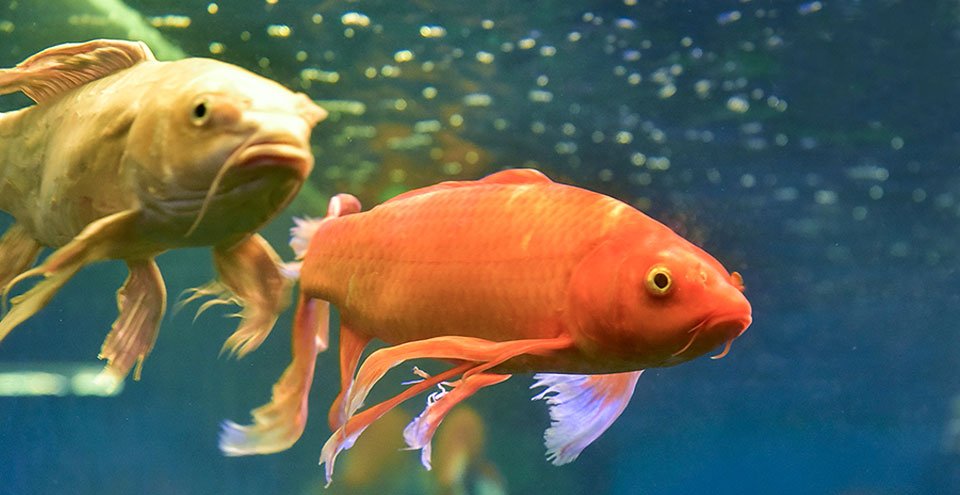
The Under the Sun Fish Aquarium at Fateh Sagar Pal in Udaipur has managed to mark its distinct position on the map as India’s first Hi-Tech virtual fish aquarium.
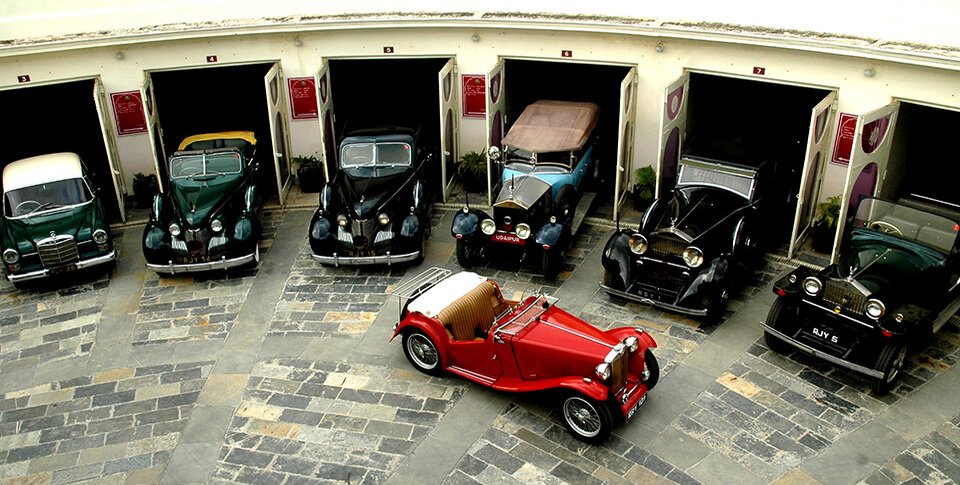
The collection within the grounds of the Garden Hotel comprises a variety of vintage and classic vehicles like Cadillac, Chevrolet, Morris etc owned by the Maharanas of Udaipur.
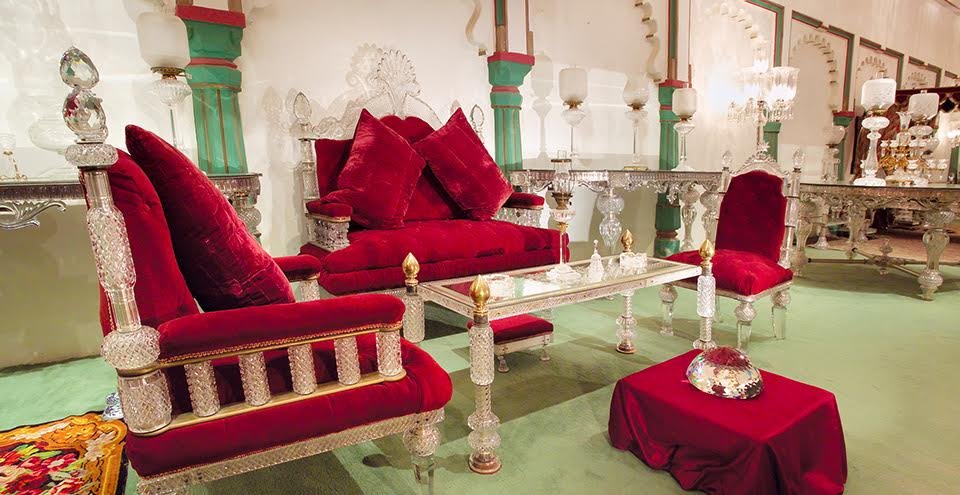
The Udaipur Collection of crystal is one of the largest and most complete collections of Osler cut glass in existence.
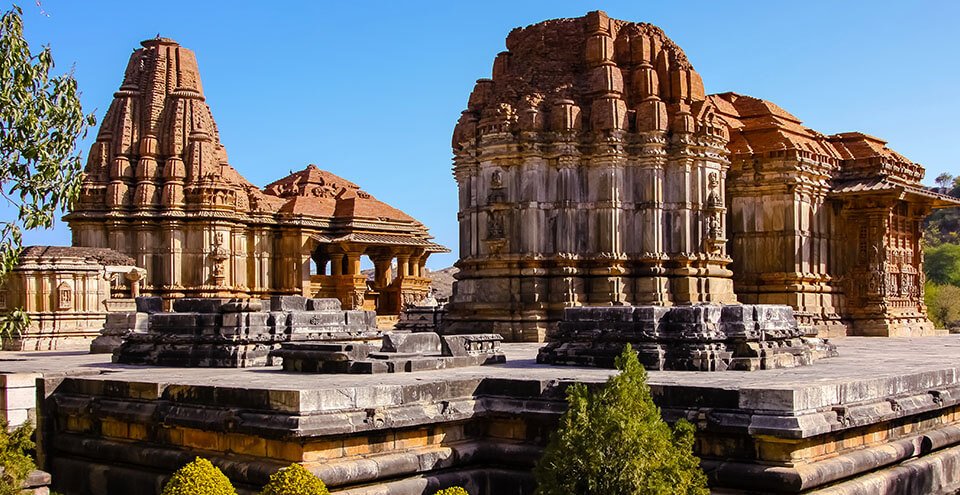
Nagda is 22kms from Udaipur, an ancient site located at the foothills of the Aravali range and has traces of 6th century A.D.
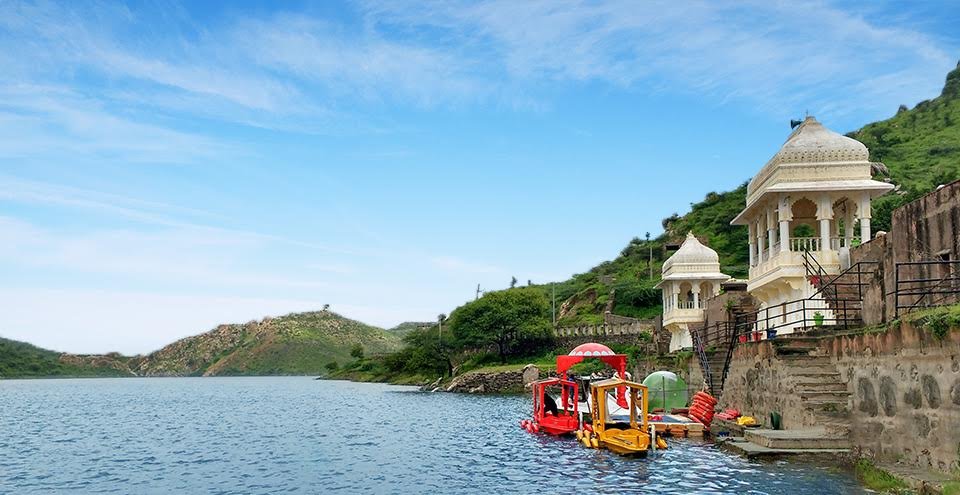
Badi Lake is an artificial lake that was built by Maharana Raj Singh to help the city counterbalance the devastating effects of drought. He named the lake Jiyan Sagar after his mother Jana Devi.

Located just outside the Sajjangarh Wildlife Sanctuary, at the foot hills of Bans-Dahara hills is the Sajjangarh Biological Park spread over 36 hectares of land.

Located about 22 km from Udaipur, in Nagda village on NH-8, stands the Sahastra Bahu Temple. The temple is dedicated to Lord Vishnu.

Well-known as the City of Lakes, Udaipur is home to a number of beautiful lakes. Menar is a village known as house of number of species of Migratory Birds during winters.
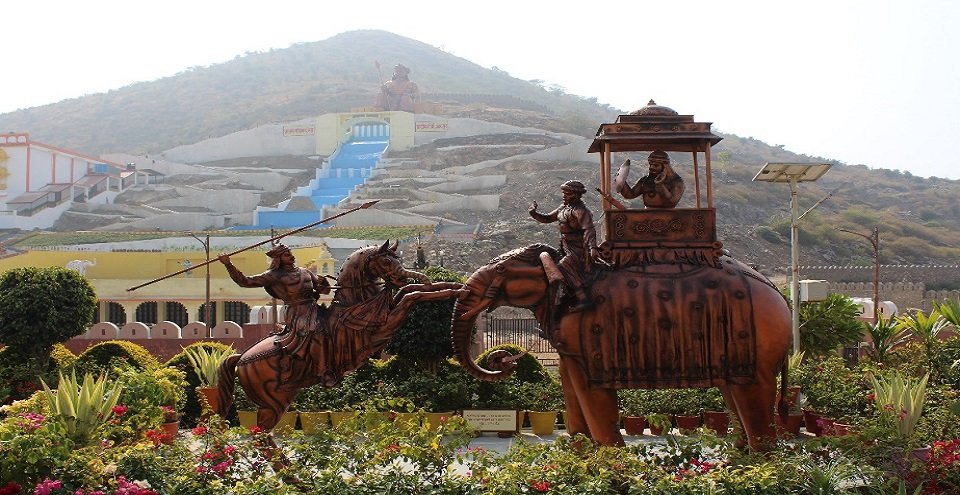
Spread vastly across the 25 Bigha land at Tiger Hills, the Pratap Gaurav Kendra is dedicated to the Legendary Maharana Pratap and the history of Mewar.

Stiuated at a height of about 2751 fee above the sea level, amidst the Aravali ranges, Gogunda was made the capital of Mewar by Maharana Udai Singh after he left Chittaurgarh.
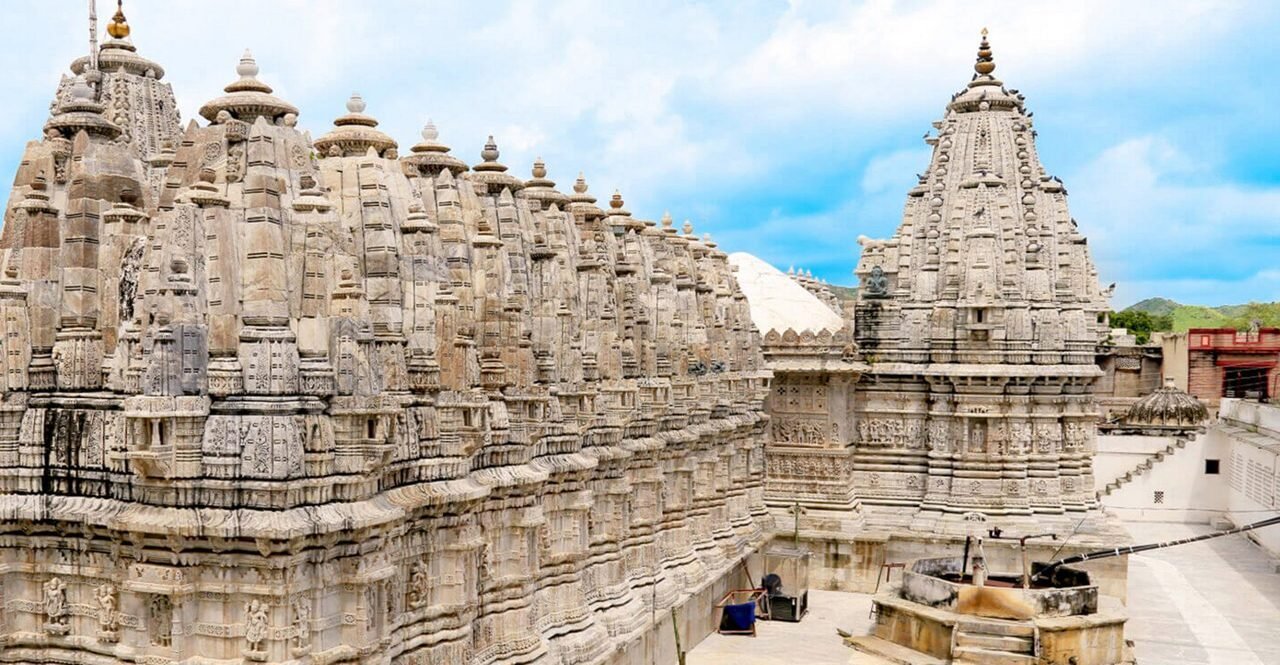
This is a 15th century Jain Temple of Rishabhdeoji, one of the twenty four “Tirthankars” of the Jains. It is also an important center of pilgrimage for both Jains and Hindus.

The splendid and well preserved 10th century temple of Ambika Mata is known for its intricate carvings on the outer walls is popularly known as the Khajuraho of Rajasthan.
