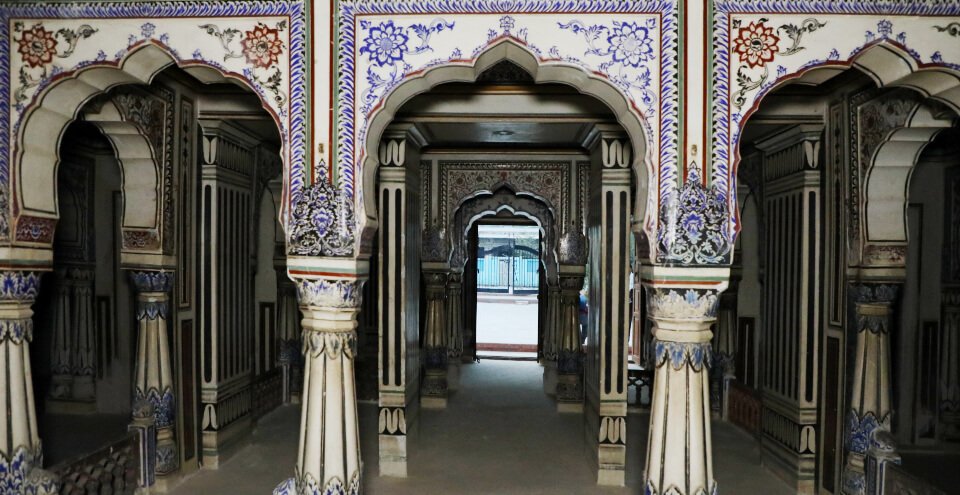
Tonk, located in Rajasthan, stands out as a city rich in history, architecture, and cultural diversity. Known for its unique blend of Rajput and Islamic influences, the city offers visitors a glimpse into a fascinating past and vibrant present. From grand mosques to elegant havelis, Tonk’s heritage attracts history enthusiasts and travelers alike.
Tonk’s history dates back to the 17th century when it had founded by Muhammad Amir Khan, a Pashtun military leader. Under his leadership, Tonk grew into an important princely state with a flourishing economy and cultural life. The city served as a center of art, literature, and governance, reflecting the diverse traditions of its rulers and residents.
One of the most striking features of Tonk is its impressive architecture. The city houses several beautiful mosques, including the Jama Masjid, which showcases intricate craftsmanship and grandeur. The mosques reflect Mughal architectural elements blended with local styles.
In addition to religious structures, Tonk boasts numerous havelis adorned with detailed frescoes and carvings. These mansions tell stories of the city’s prosperous merchant families and their patronage of the arts. Walking through the narrow lanes, visitors can admire the fusion of different architectural influences that define Tonk’s unique character.
Tonk celebrates a harmonious blend of cultures and religions. Festivals such as Eid, Diwali, and Holi take place with equal enthusiasm, showcasing the city’s spirit of unity. Local markets buzz with activity during these times, offering traditional crafts, textiles, and delicious Rajasthani cuisine.
Music and poetry also form an essential part of Tonk’s cultural life. The city has nurtured poets and musicians who contributed to the rich cultural tapestry of Rajasthan. Storytelling and folk performances often accompany festivals and social gatherings, preserving age-old traditions.
Beyond its urban charm, Tonk surrounded by scenic landscapes and rural settlements. The nearby Aravalli hills add natural beauty to the region. Agriculture plays a vital role in the local economy, with farmers cultivating crops that sustain the community.
Visitors often enjoy exploring the countryside, interacting with locals, and experiencing traditional village life. This connection between the city and its rural surroundings adds depth to the Tonk experience.
Travelers find Tonk welcoming and easy to navigate. The city offers a variety of accommodations and eateries that serve authentic Rajasthani dishes. Guided tours help visitors understand the historical and cultural significance of key landmarks, enhancing the overall experience.
Tonk embodies the rich heritage and cultural harmony that define Rajasthan’s diverse identity. Its impressive architecture, vibrant traditions, and welcoming community create a memorable destination for all who visit. Whether interested in history, art, or culture, travelers leave Tonk with a deeper appreciation of its timeless charm.

The main attraction of Tonk is the 19th century Sunehri Kothi or the Golden Mansion, situated near Bada Kuan on Najar Bagh Road.
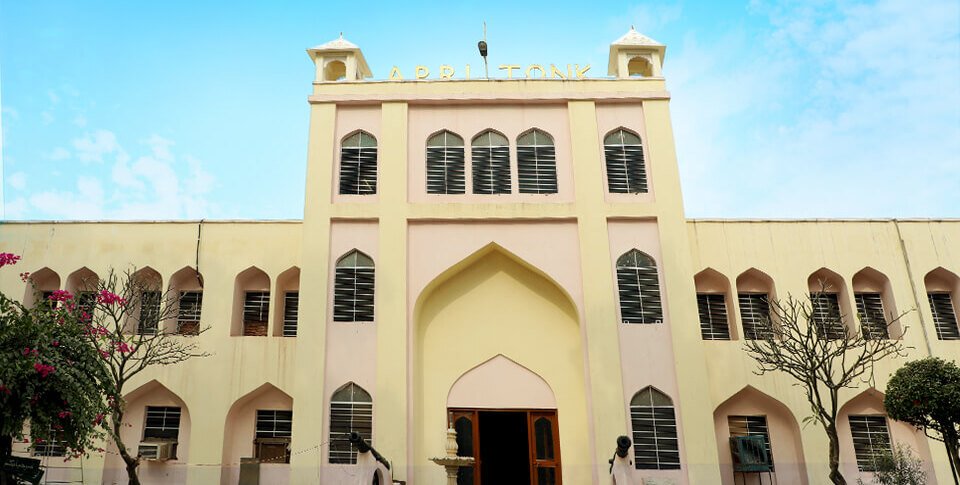
The Arabic and Persian Research Institute Rajasthan, Tonk is located in the heart of the Tonk city in the valley of two historical hills of Rasiya and Annapoorna.
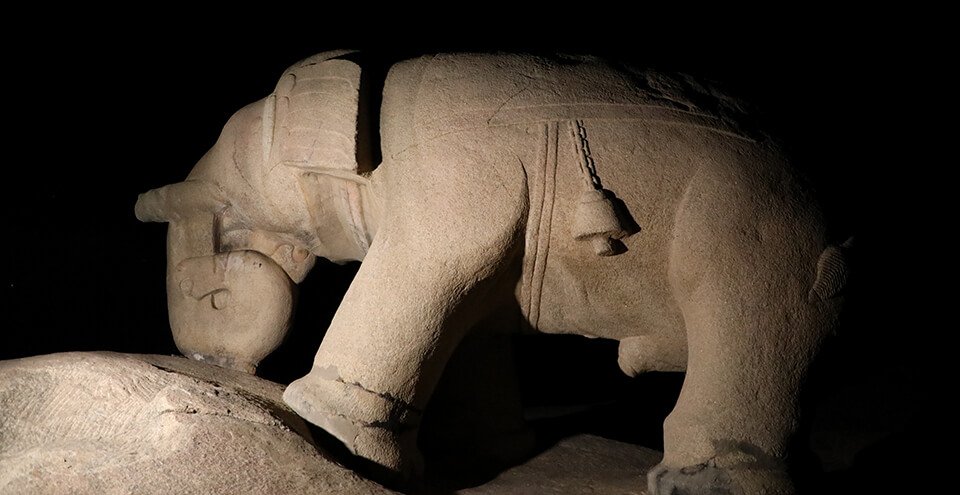
Hathi Bhata Situated around 20-30 kilometres from the Tonk- Sawai Madhopur Highway . Carved out from a single stone, as the name suggests, it is a magnificent elephant, and quite a popular tourist attraction.

Bisalpur, located around 60-80 kilometres from Tonk, had founded by the Chahamana ruler Vigraharaja IV in 12th century A.D. Bisalpur is considered very important due to the temple of Gokarnesvara.
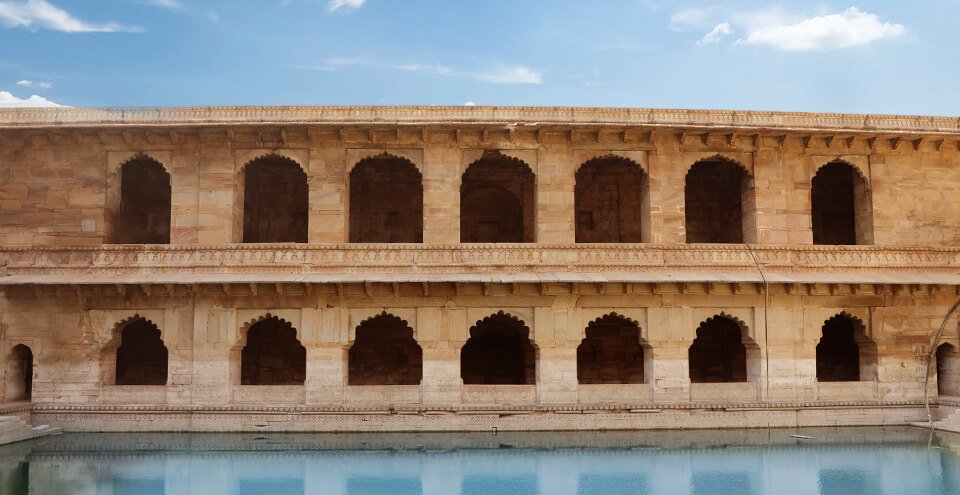
This stepwell is believed to have been built in the 12th century. It is rectangular on plan with double-storeyed corridors on the western side. Each of these corridors is flanked with an arched doorway.

At 5600 years, this temple is probably one of the oldest, functional Hindu temples. Shri Kalyanji, an incarnation of Lord Vishnu is enshrined here.
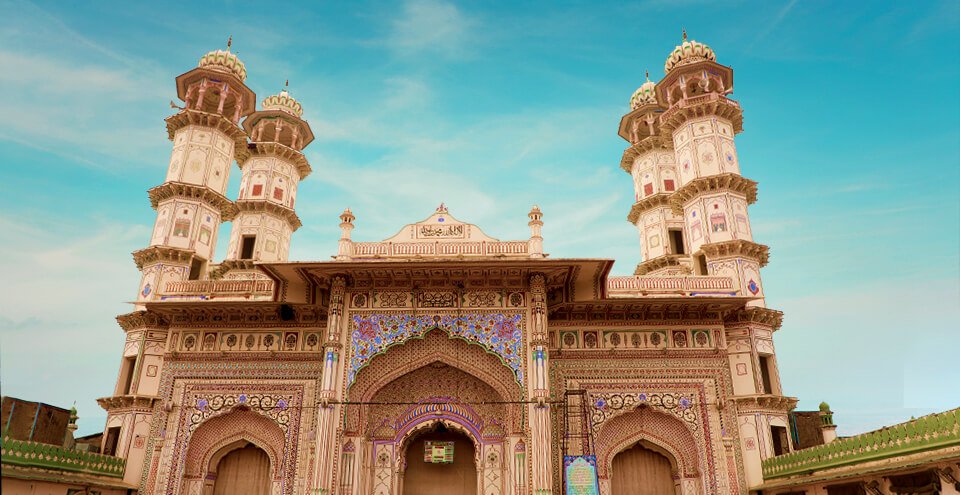
As one of the largest mosques in India, Jama Masjid in Tonk makes for an imposing sight, and is a great example of the great Mughal architectural style from a bygone era. .

Recognized as the lifeline of the state-capital, Jaipur, the Bisalpur Dam is a gravity dam constructed on the River Banas, near Deoli in Tonk district of Rajasthan.

The Jaldevi temple is located in the Bavadi village, near Todaraisingh city in Tonk, Rajasthan. The temple is dedicated to the Jal Devi and is said to be 250 years old.
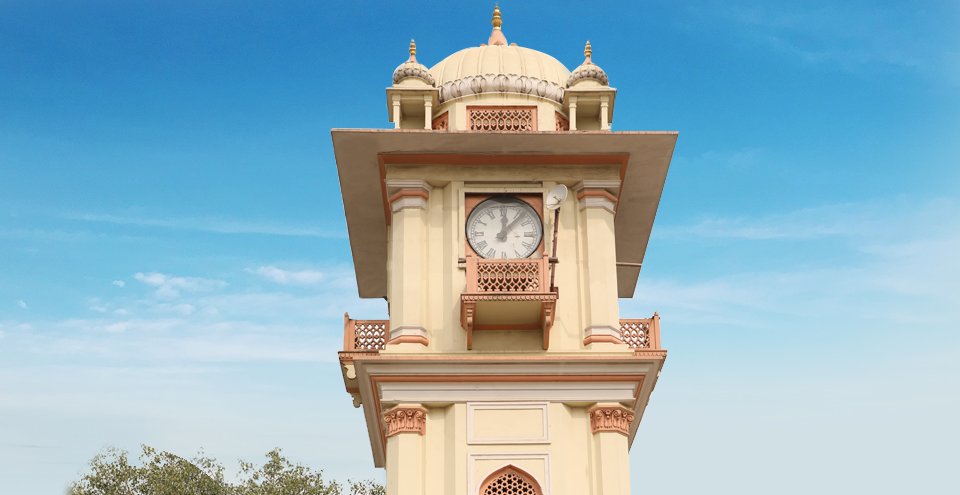
The Clock Tower, locally known as Ghanta Ghar, finds its name amongst the most historical places of Tonk. Built by Mohammed Sadat Ali Khan, the Nawab of Tonk, its historical significance is one-of-a- kind.
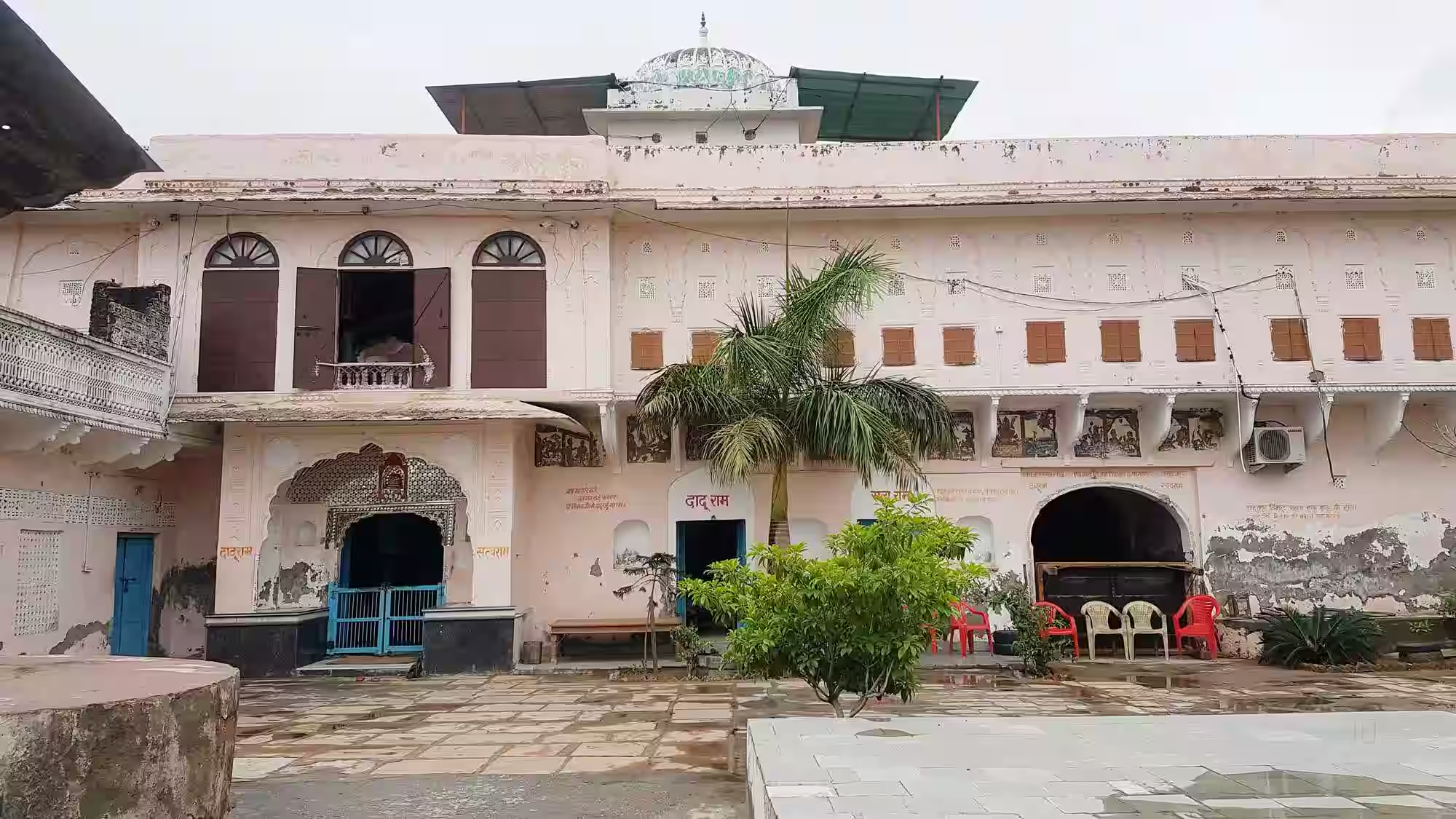
Har Bhanwta Ashram is located 25Km away from Gram Panchayat Where Newai and 01 Km far from National Highway.

The grand ancient Badri Vishal temple is located in east ward from District Headquarter Tonk and around 1 km away from Natwada. Which is 450 Years old temple. Every year the fair is held on Akshaya Tritiya

From District Headquarter Tonk there is a Raktanchal Parvat in Newai which is around 45 Km away where. The ancient Mataji and other temples are situated.

Dhanna Bhagat Gurudwara is in Tonk District around 45km far from District Headquarter. Every year a fair is held on Prakash Parva.