
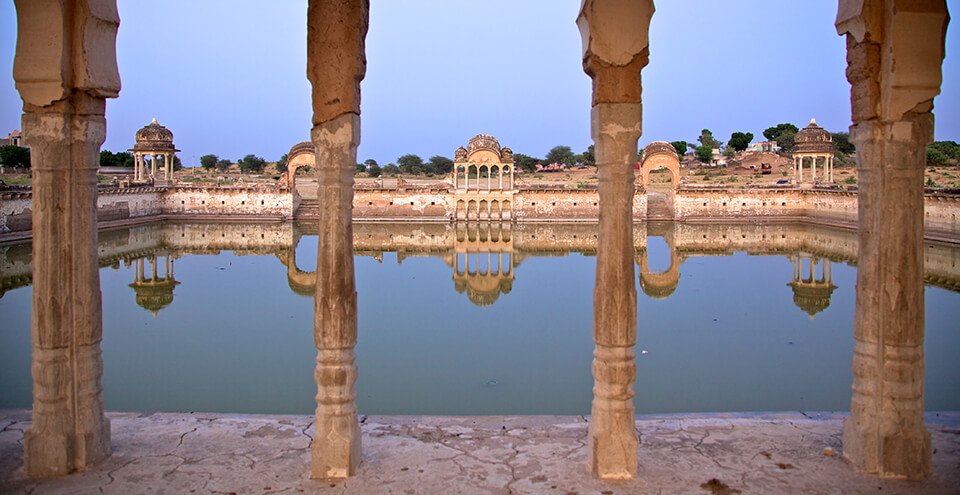
Sethani Ka Johara lies on the north side of the road perhaps 5 km west of Churu along the Ratangarh road. It is perhaps the finest johara (reservoir) in the area in that it is not only attractive but also efficient.

Kanhaiyalal Bagla Haveli is a beautiful structure, which stands on the south of the main bazaar. Constructed in around 1880, the haveli represents the finest lattice work and architectural styles.

Aath Kambh Chhatri, one of the buildings possessing great historical significance, is an eight pillared dome that stands on the northern side of the town.
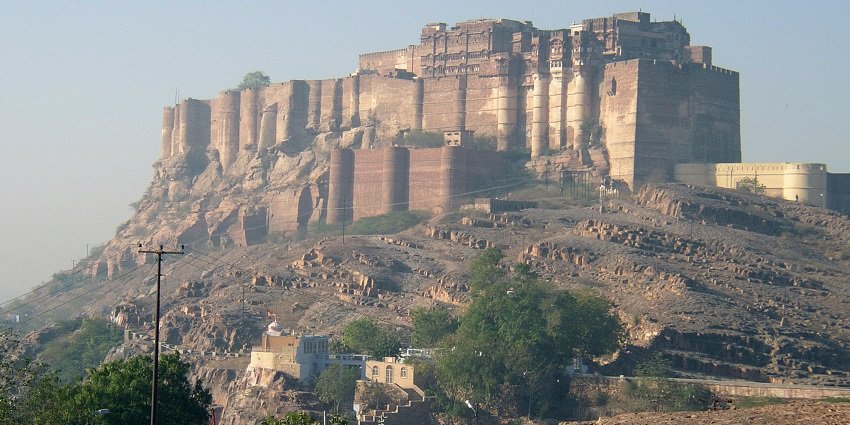
Located on the Agra-Bikaner Highway, the Ratangarh Fort had built in the early 18th century by Surat Singh, who named it after his son Ratan Singh.

Soothing to the eye, this temple is simple from the outside but has a grand architectural splendour from within. The entrance has a projected foliated arch adorned with beautiful mural paintings.

The Jain Temple is a 150-year-old structure and can describe as piece of art in itself. Its interiors resemble a lavish royal court than a temple courtyard.

Renowed as a safe haven black bucks and a variety of birds, this sanctuary is named after the Chhapar village. Located in the Sujangarh Tehsil of Churu, it is 210 km from Jaipur.
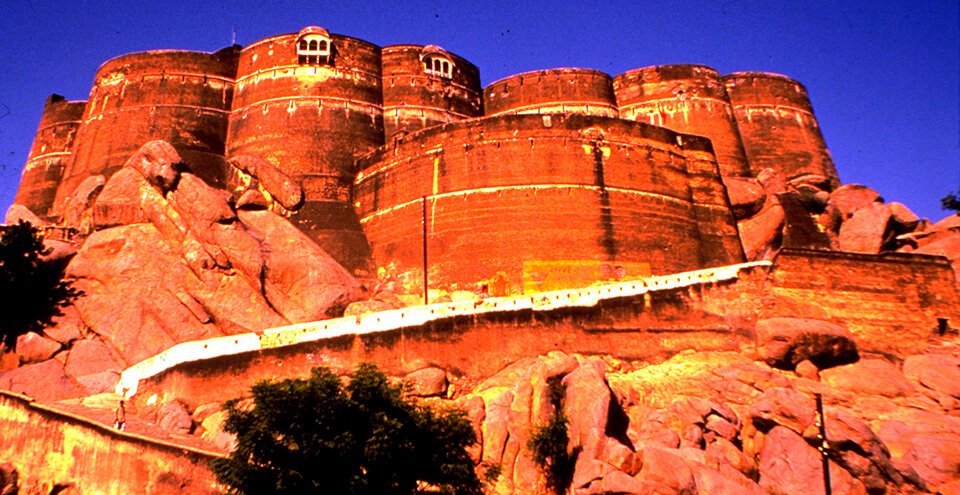
Fort Laxmangarh stands tall as the most impressive building in town, looming majestically over the well laid township on its western side.
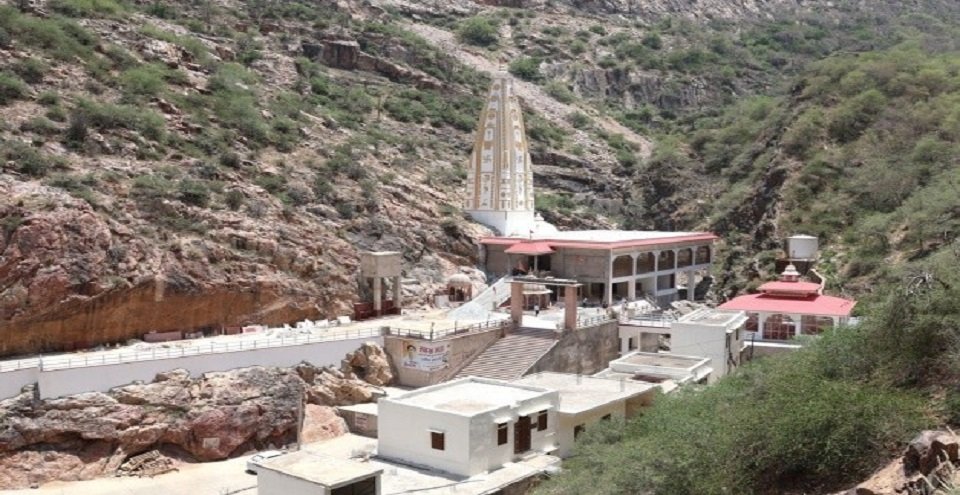
Mansa Mata Temple is situated in the hills of Khoh-Guda village, about 25 km from Udaipurwati of district Jhunjhunu.
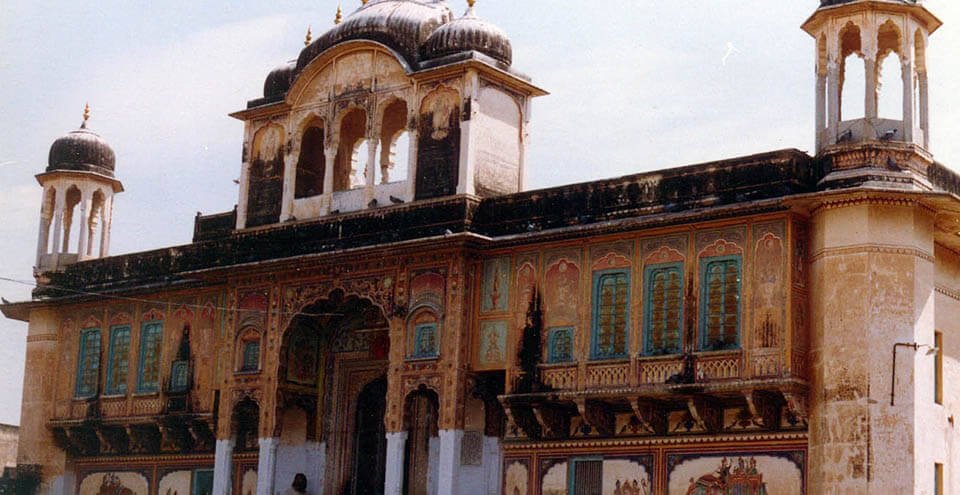
Raghunathji Mandir, also known as Bara Mandir, is located in the vicinity of the Ratangarh town. Dedicated to Lord Raghunath or Rama.
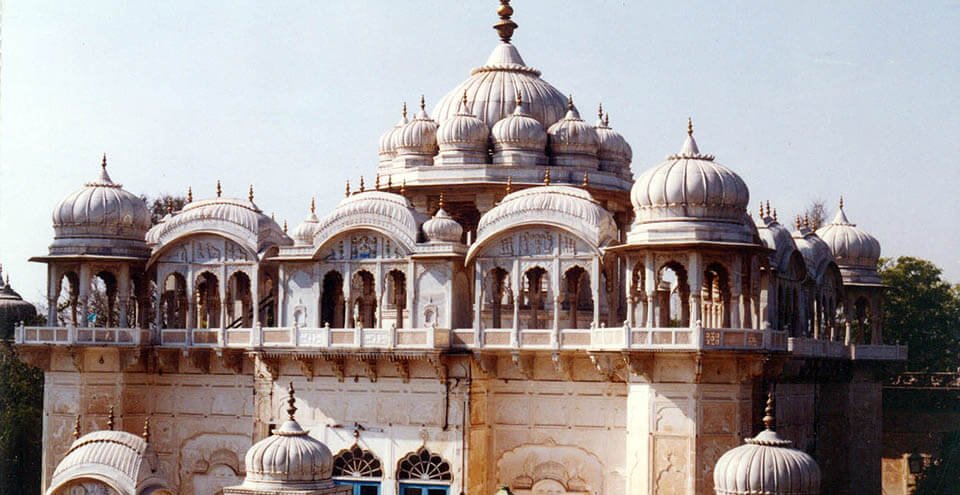
The city of Fatehpur was established by Kayamkhani Nawab Fateh Mohd in 1508 AD. He also constructed the Fort of Fatehpur in 1516.

Ramgarh was founded in 1791 by the Poddar family, and back then, was considered one of the richest towns in 19th century India. Ramgarh is famous for its paintings, old temples, cenotaphs and havelis.
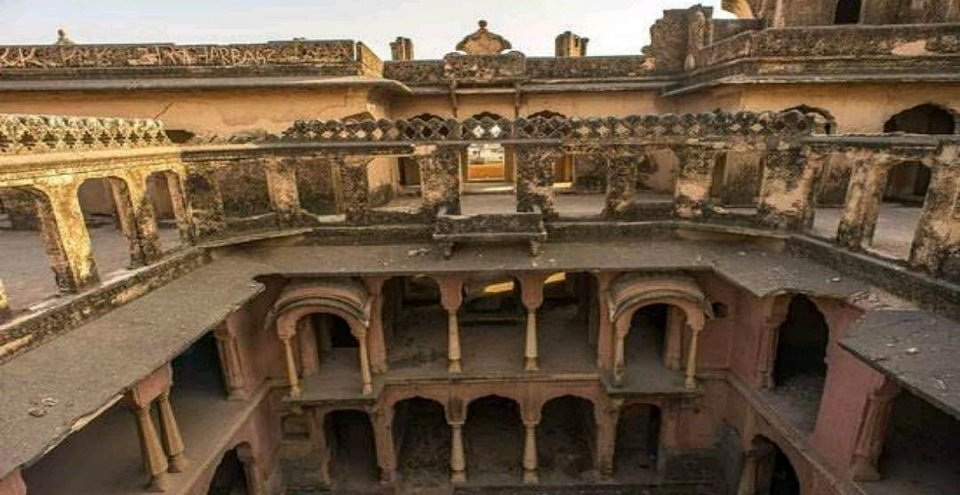
Khetri Mahal in Khetri, Jhunjhunu is one of the most excellent instances of fine art and structural design of Shekhawati region.
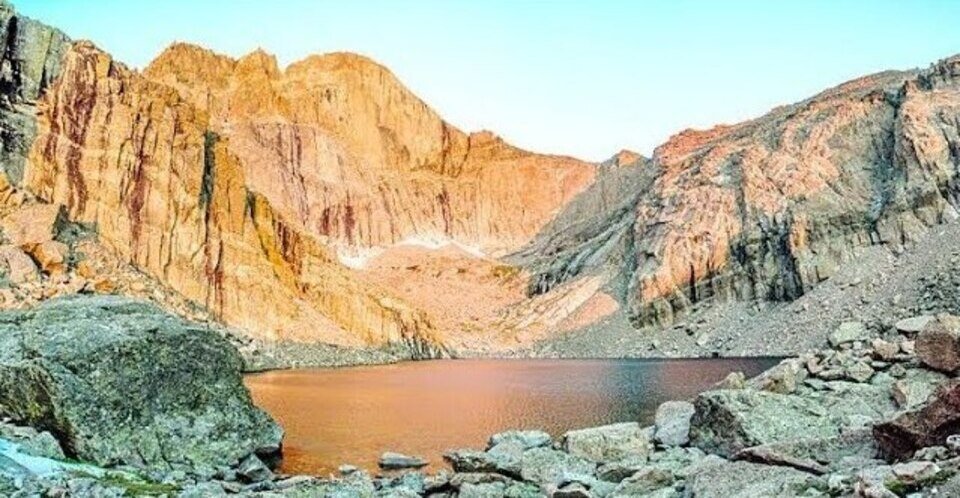
Moda Pahar of Jhunjhunu city is a popular place to watch the sunset. This place adjacent to the banks of Ajit Sagar Lake is home to many migratory birds.
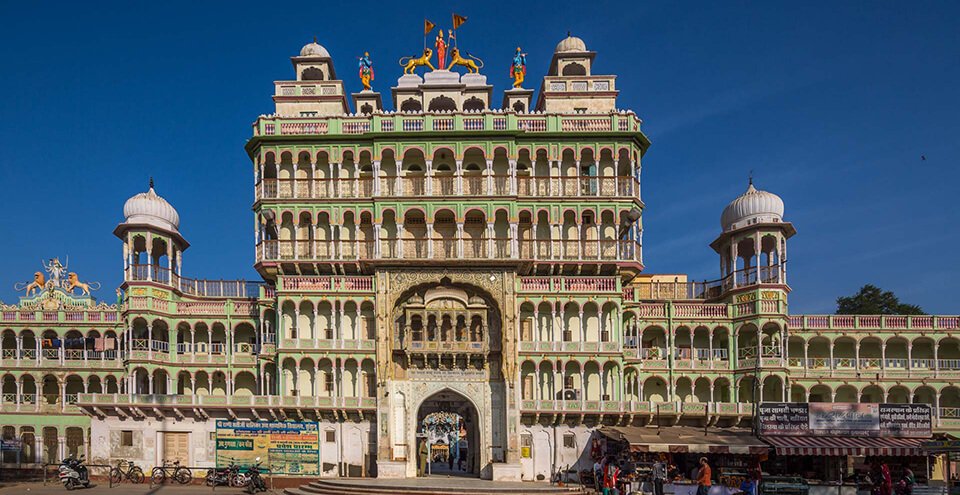
Rani Sati Mandir is a well-known temple situated in Jhunjhunu district in the Rajasthan. This temple has a history of more than 400 years and is an indication to feminine bravery and spirit.
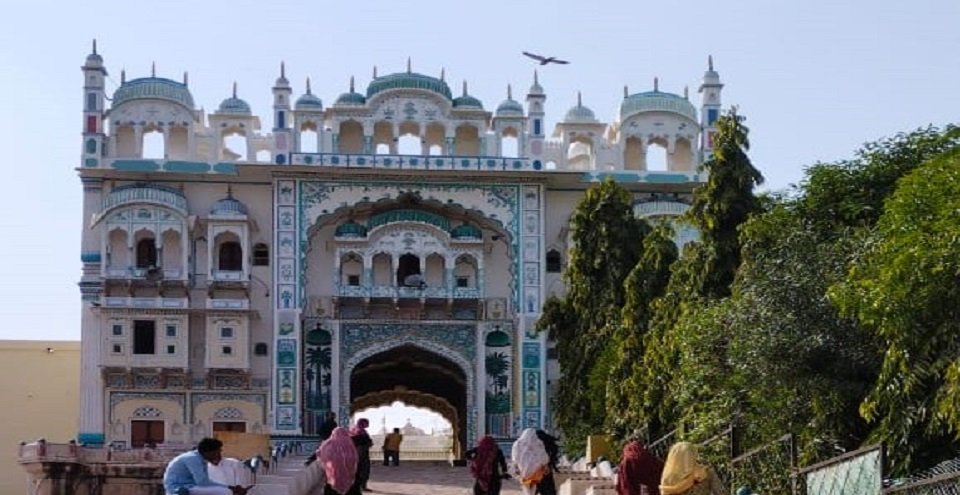
West of the Khetri Mahal, at the foot of the Nehara Pahar, lies the Dargah of Kamaruddin Shah. It is an atmospheric complex comprising a mosque and madrasa arranged around a pretty courtyard.
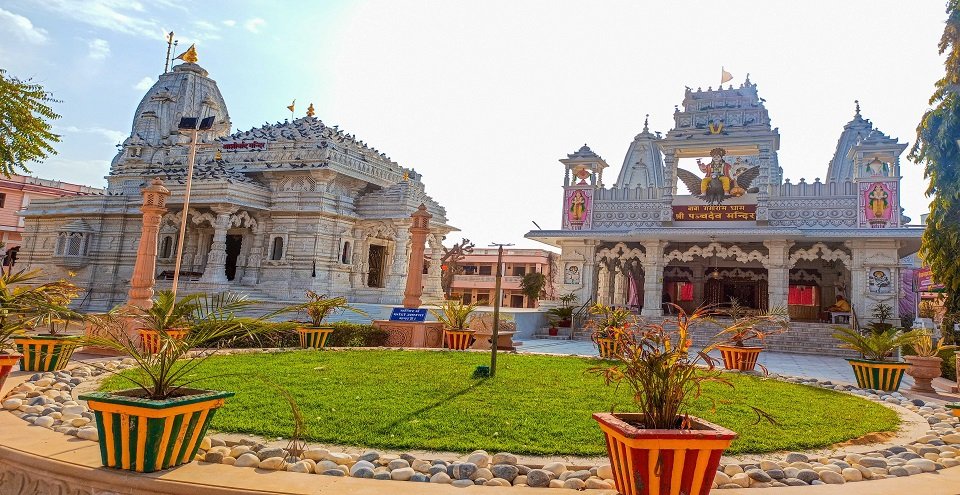
The famous Shri Panchdev Temple is situated in Jhunjhunu district in Shekhawati. The temple's architecture, drawings and evergreen gardens make it a pleasing destination for visitors.
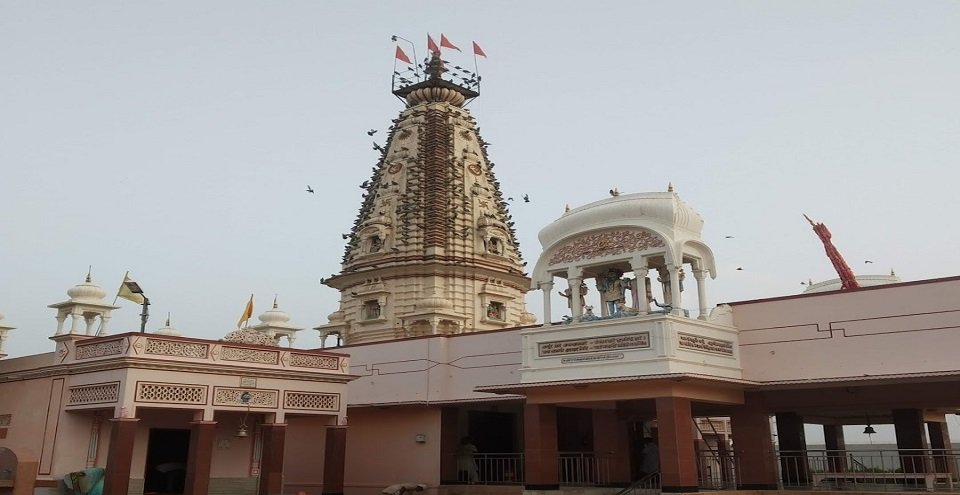
BANDHE KA BALAJI TEMPLE is a modern temple situated in the Jhunjhunu district headquarters, around which is surrounded by hills. It is one of the popular Hanuman temples in India.
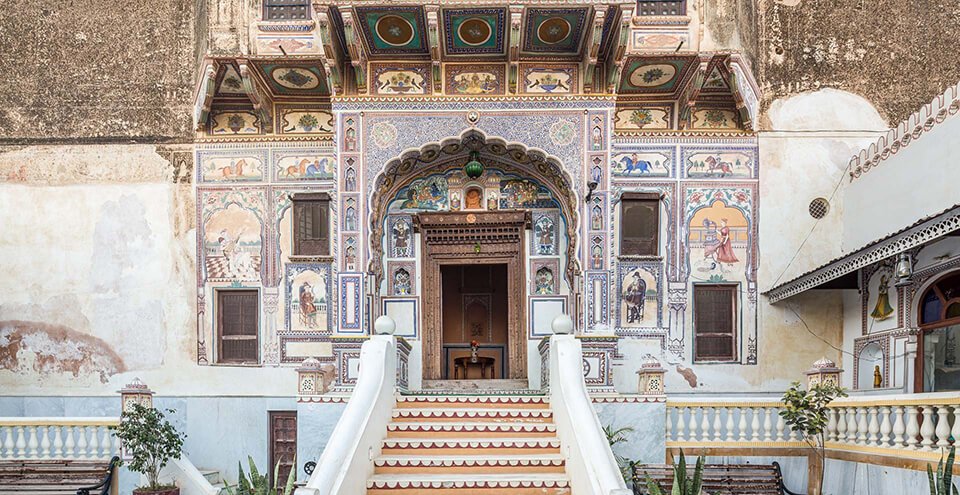
In ancient times, Mandawa was a main center of the ancient trade route between the Middle East and China. Goods were exchanged from here. Thakur Nawal Singh ruled over Nawalgarh and Mandawa.

Dundlod, a village in Jhunjhunu is famous for its fort and havelis. This fort was built in 1750 by Keshari Singh, son of Rajput ruler, Sardul Singh. Dundlod is easily accessible by road from Delhi, Jaipur, and Bikaner.
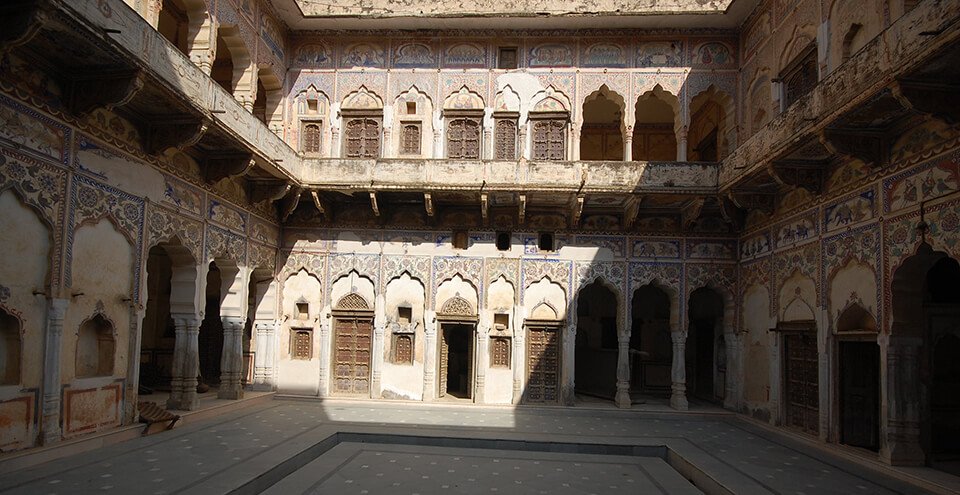
Alsisar, a Village in Jhunjhunu is surrounding by arid dessert. Alsisar was awarded to Thakur Samarth Singh by his father, Thakur Pahad Singh of Heerwa, who made it his capital in 1783 AD.
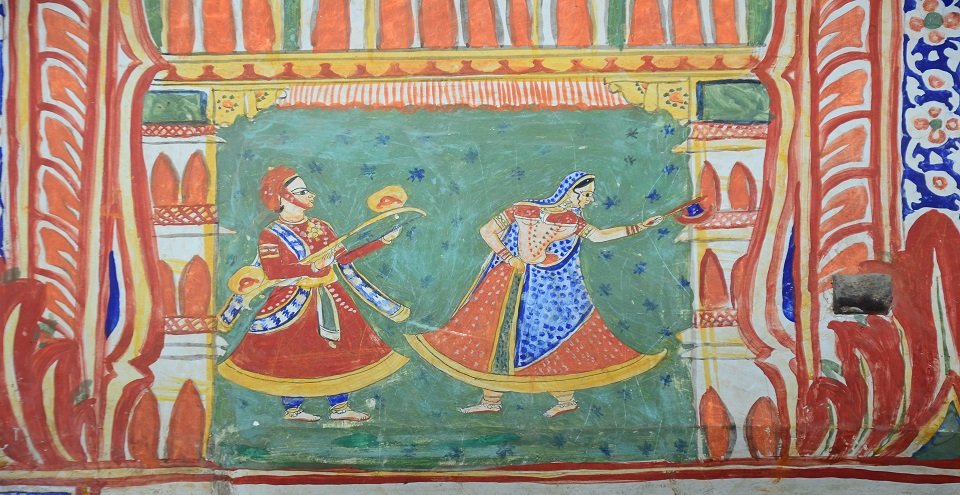
Bissau, a small town in Jhunjhunu, originally called Vishala Jat Ki Dhani. It had awarded to Thakur Keshri Singh by his Father MahaRao Shardul Singh Ji.
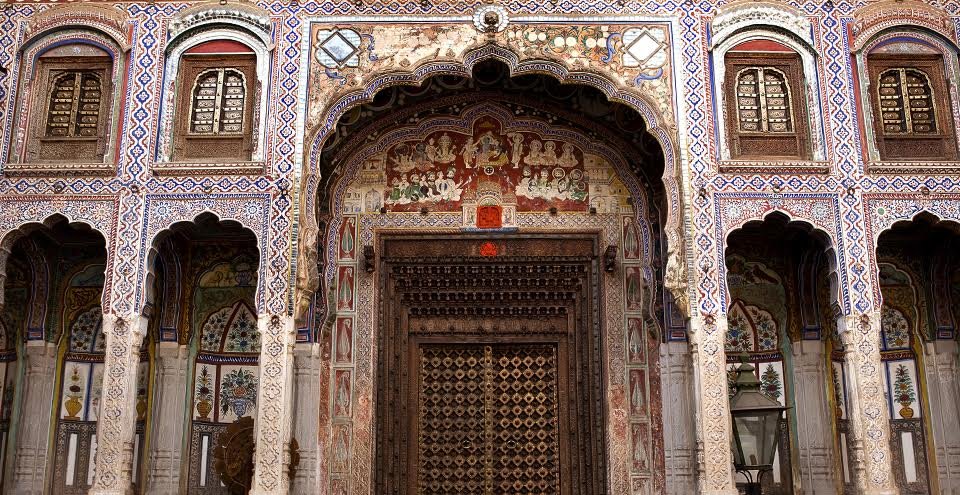
If you are an art lover then you must visit Nawalgarh. Situated between Jhunjhunu and Sikar, Nawalgarh is famous for its beautiful havelis. In addition, you can see some of the best frescoes in the havelis here.

Jeenmata temple situated near the hill 10 km away from village Rewasa. The temple of Jeen Mataji is around 108 km from Jaipur and 30 km from Sikar . However, it is surrounded by thick forest.

Khatu Shyamji Temple (55km) away from Sikar. Moreover, one of Rajasthan’s most revered pilgrimage destinations, the village of khatu, home to the Khatu Shyamji shrine attracts devotees for its Krishna temple.
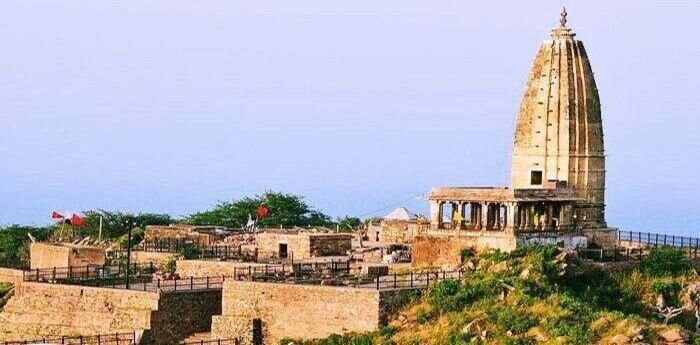
Harsh Nath Temple is 14 Km. away from Sikar is an ancient site famous for the ruins of old Shiva temple located on the high hills of Aravali.

Shakambhari Mata temple situated in sakrai village which is near Udaipurwati .So the idols here are of Brahmani and Rudrani both the idols are lion riding goddess in the poster of killing Mahishasura.
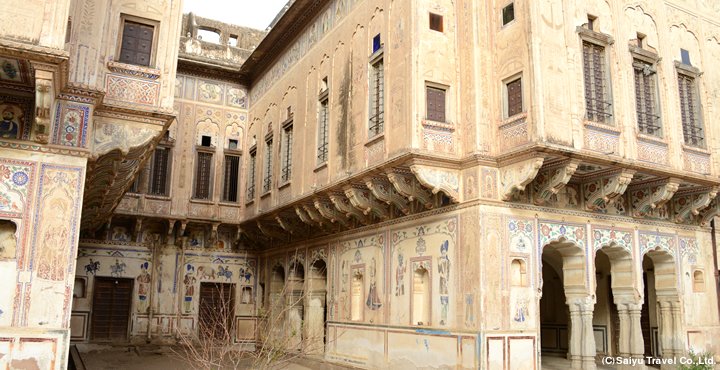
The Building of Goernment Museum situated near Bara Talab and Rani Sati Mandir on sawali Road which is about 3 km. away from bus stand and about 4 km. from railway station.
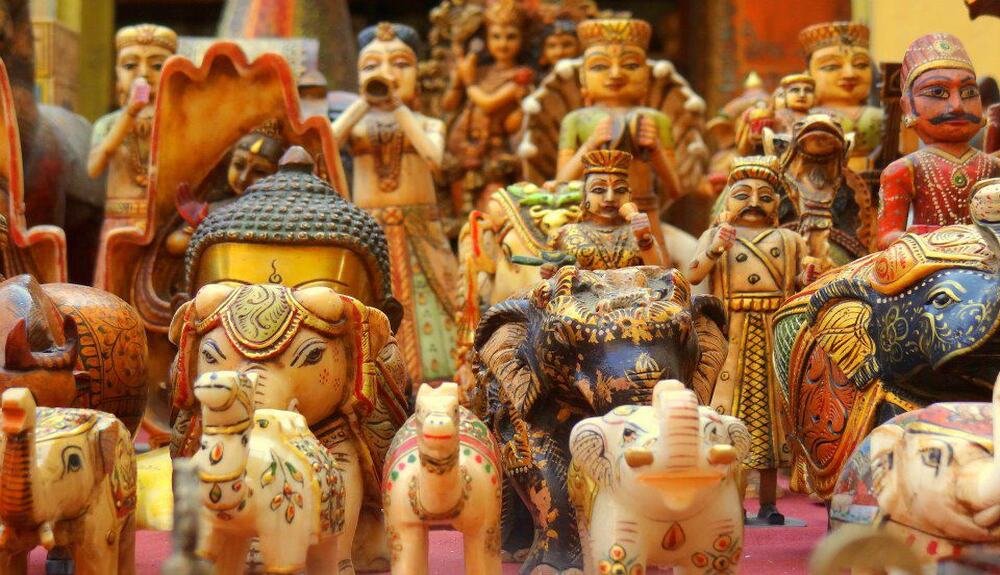
Shekhawati Utsav is organized by the department of Tourism, Government of Rajasthan in the month of March every year.

The Gaj Kesari Haveli is located in Ratannagar town of Churu district (Rajasthan), It is also the gateway to the great Shekhawati region of Rajasthan, where the vast Thar Desert begins.
