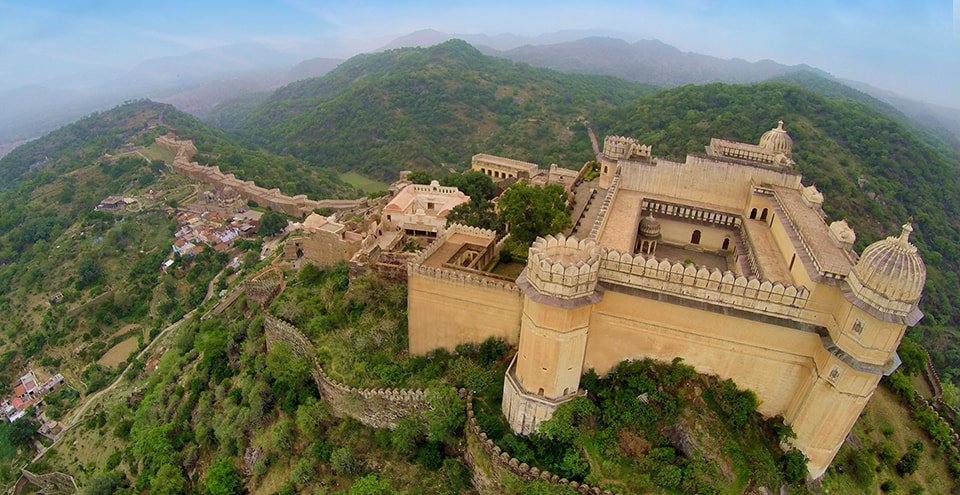
BIRTHPLACE OF MEWAR'S LEGENDARY KING, MAHARANA PRATAP. Located 84 kms north of Udaipur in the wilderness, Kumbhalgarh is the second most important citadel after Chittorgarh in the Mewar region.
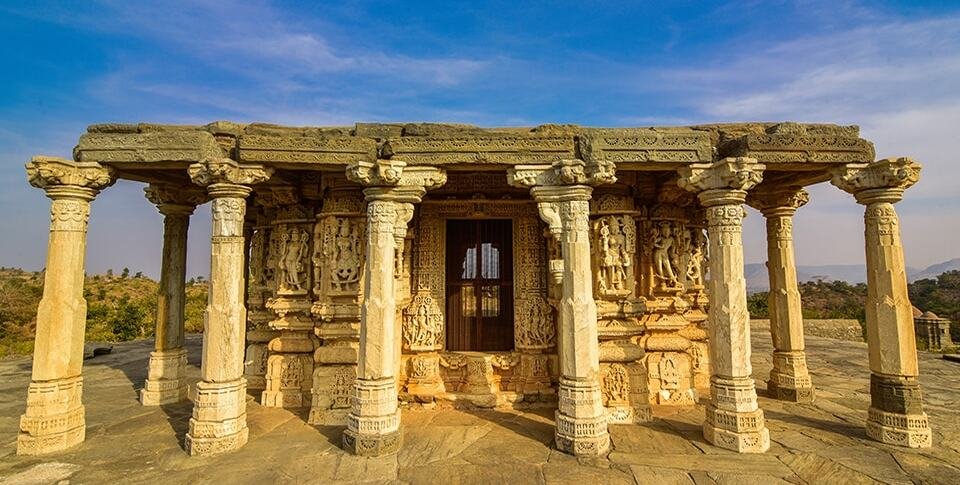
The Golerao Jain Temples are one of the most important attractions of the Kumbhalgarh Fort. It is a group of nine temples that are located in a beautiful area of the fort that elicits a certain mystique and serenity.
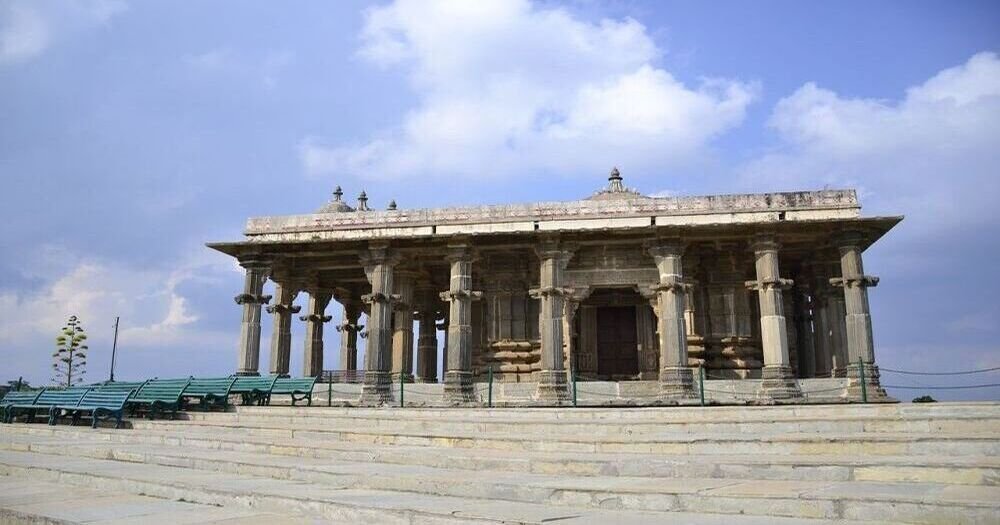
The NeelkanthMahadev Temple is a very famous Shiva Temple which is located in the Kumbhalgarh Fort. The temple was built in 1458 AD and has a six feet high Shivling, made of stone.
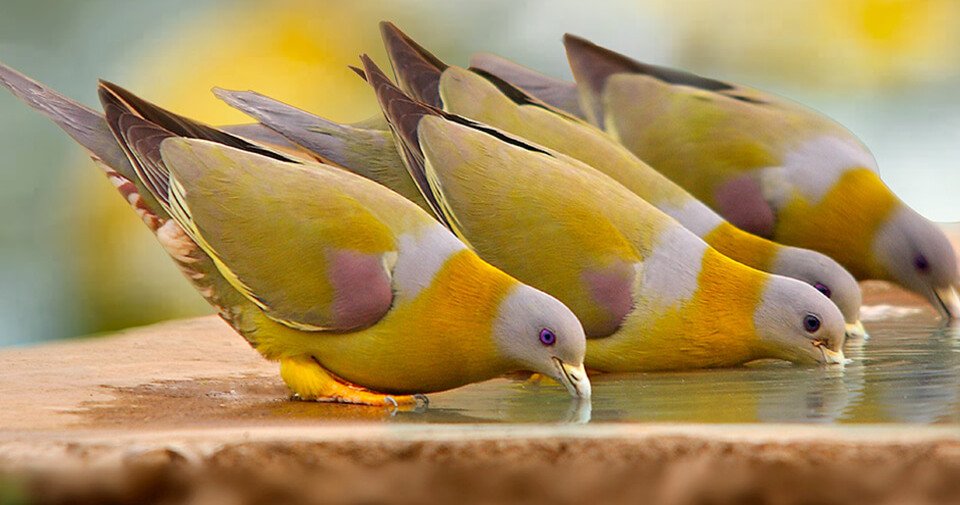
The Kumbhalgarh Wildlife Sanctuary can be rightly considered as one of the major attractions for tourists who visit Udaipur and Kumbhalgarh.
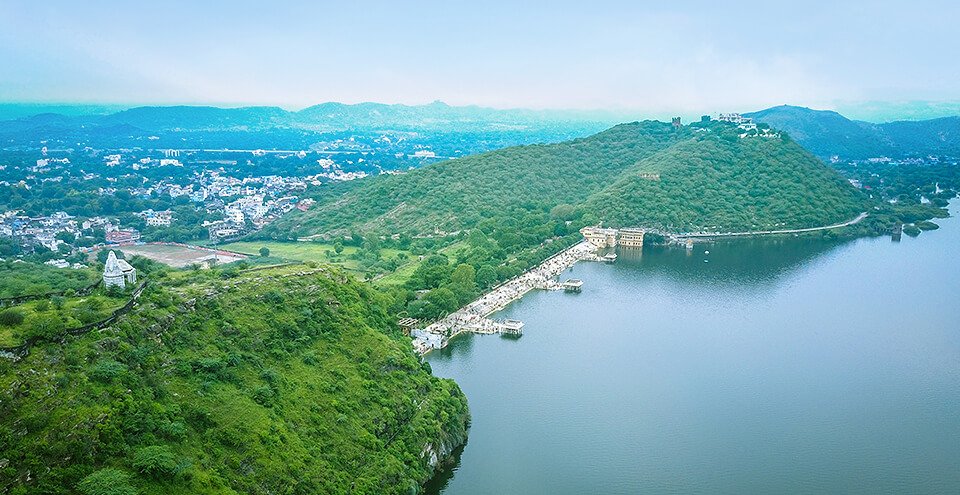
It is a huge expanse of water 66 Km. north of Udaipur, between the towns of RAJNAGAR and KANKROLI. The lake was the result of a dam constructed across the Gomati, Kelwa and Tali rivers.
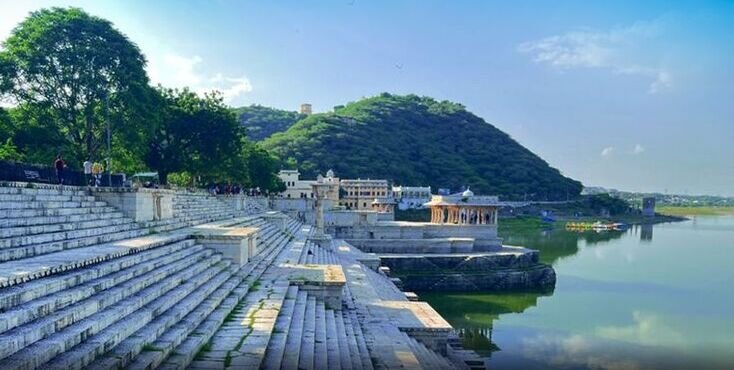
At the Kankroli (southern) end, the lake has an immense white stone embankment, 183 m. long and 12 m. high, with terraces of large marble and stone ghats (steps) leading down to the water''s edge.
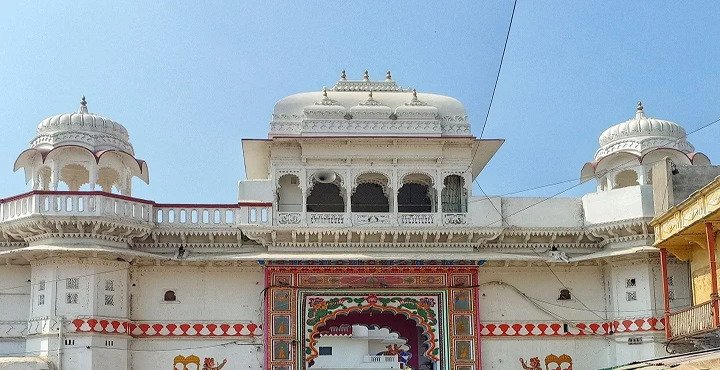
S.No. Places Name & Details Photos Nauchowki - At the Kankroli (southern) end, the lake has an immense white stone embankment, 183 m. long and 12 m. high, with terraces of large marble and stone ghats (steps).
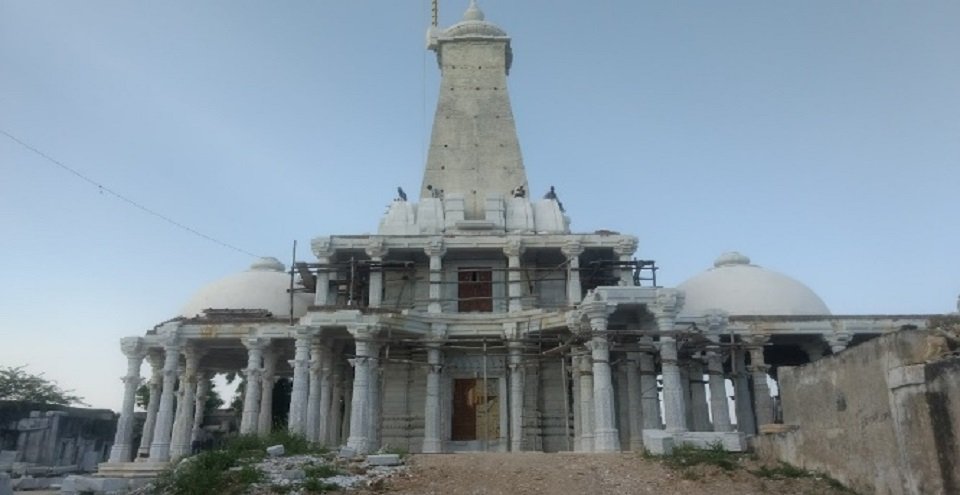
Built on the top of hill at the cost of one crore by Dayal Shah, the prime minister of Maharana Raj Singh, this Jain fort-temple is 320 years old.

With the blessings of Acharya Tulasi and Mahapragna, Anuvrata Balodaya Kendra, where children from India and abroad come to receive initiation into Jain religion is being successfully run here.

The gate way to the Lord ! Shrinathji’s idol was brought to Rajasthan from Govardhana near Vrindavan to protect it from the hands of the Mughal emperor Aurangzeb.
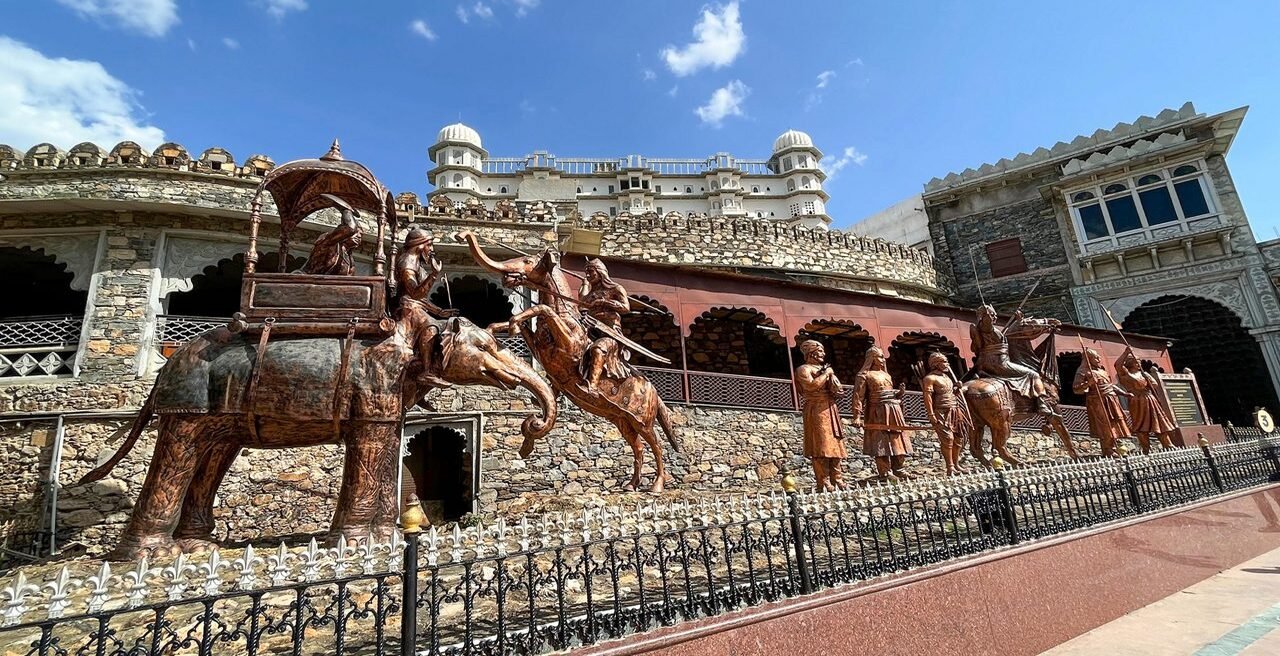
A narrow pass runs South to North-East and ends in a plain where the famous battle of Haldighati was fought in 1576 between Maharana Pratap and the forces of Emperor Akbar.
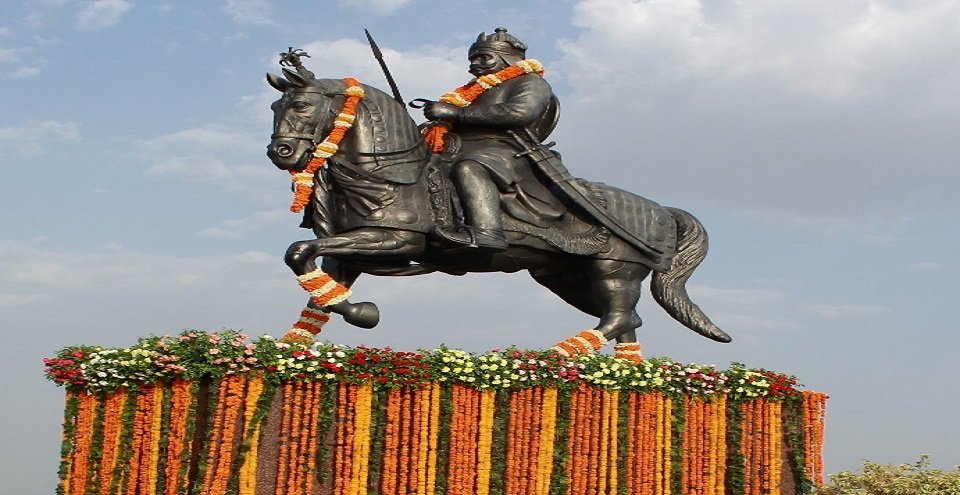
In the Indian History, battle of Haldighati holds an important place. Haldighati situated atop a hill is the magnificent statue of Maharan Pratap on his favorite horse Chetak, overlooking the valley is worth a visit.
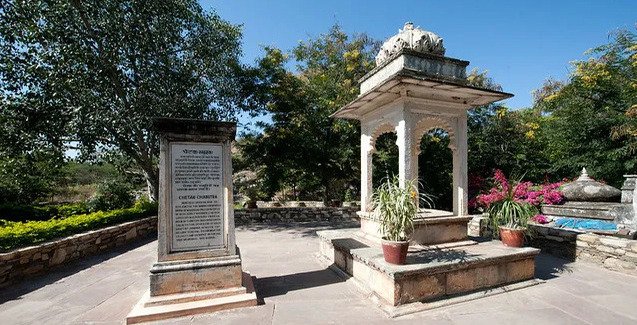
Only 2 km. West of Haldi Ghati, lies the tomb of Chetak. After being seriously wounded and loosing a leg in the fierce battle of Haldi Ghati, Chetak dutifully carried his master, Maharana Pratap, safely to this place.
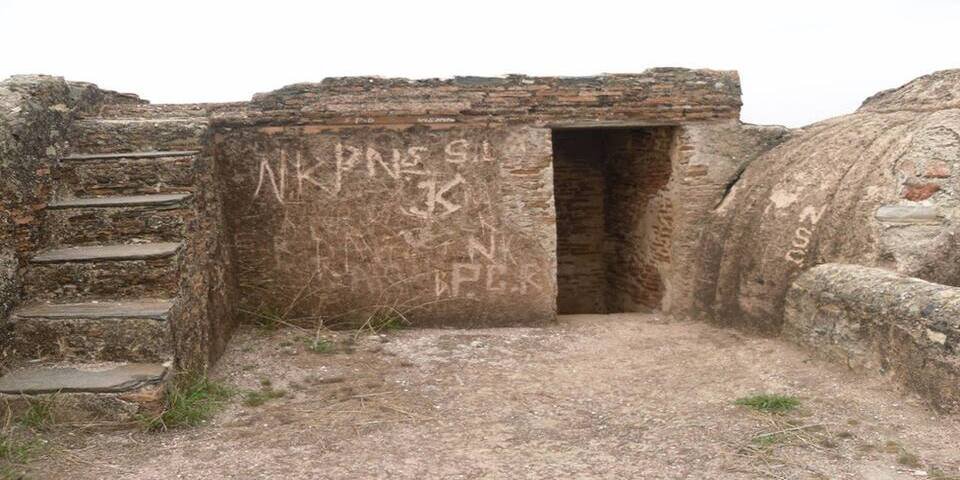
About 10 kilometres South-East of Rajsamand is the famous fort of Rakamgarh, a small fortress built upon a small hillock, is said to be the silent evidence of the fight for freedom.
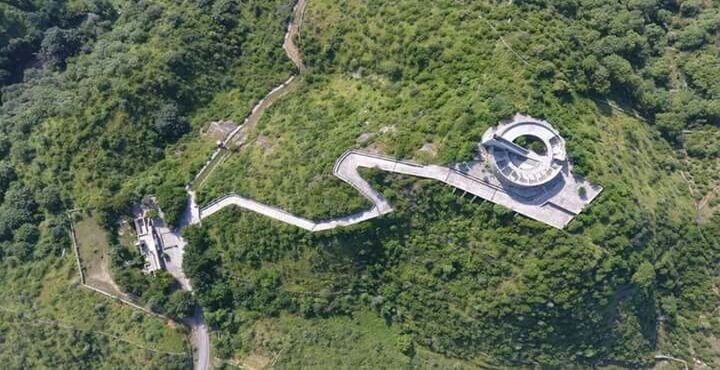
At the Northern edge of Mewar, Dewair is situated between the mountain ranges spread in close proximity of Kumbhalgarh and Madaria.

About 38 kms north to Rajsamand and 103 km north of Udaipur, on the road leading to Jodhpur lies an old famous temple of Charbhuja Nath, a Vishnu temple built in 1444 AD.