NAGAUR

HOME TO INDIA’S LARGEST SALT WATER LAKE

NAGAUR

HOME TO INDIA’S LARGEST SALT WATER LAKE

Nagaur, located in the heart of Rajasthan, India, presents a vivid blend of history, culture, and tradition. This historic city sits between the major centers of Jodhpur and Bikaner, offering a unique perspective into Rajasthan’s royal past.

Historical Significance

To understand Nagaur’s importance, one must begin with its ancient roots. The city has witnessed numerous dynasties, including the Chauhans, Mughals, and Rajputs. Each left a distinct mark on its architecture and cultural heritage. Over centuries, Nagaur transformed into a center of strategic and political power in the region.

Architectural Heritage

Moving through the city, one encounters striking monuments that reflect its storied past. The Nagaur Fort, a colossal structure made of sandstone, showcases intricate carvings and expansive courtyards. Additionally, the fort houses several palaces, temples, and mosques that display a harmonious blend of Hindu and Islamic styles. Around every corner, these architectural wonders invite admiration and reflection.

Cultural Landscape

While history defines Nagaur, its vibrant culture continues to shape its identity. The city celebrates a variety of festivals with great fervor, including the famous Nagaur Cattle Fair. During this annual event, locals and tourists gather in large numbers to witness traditional music, dance, and animal trading. Rather than fading with time, these customs grow stronger with each passing year.

Economic and Social Life

Beyond its cultural richness, Nagaur thrives on agriculture and trade. Farmers in the surrounding villages grow crops like millet, pulses, and wheat. At the same time, the city maintains strong links to the salt industry due to its proximity to Sambhar Lake. These economic activities not only support livelihoods but also reinforce community bonds.

Natural Surroundings

In addition to its built heritage, Nagaur boasts a landscape of open plains and semi-arid beauty. The region experiences hot summers and cool winters, typical of Rajasthan’s desert climate. Despite the harsh conditions, local flora and fauna have adapted remarkably well, adding subtle charm to the environment.

Modern Developments

Turning toward recent changes, the city has seen steady growth in infrastructure and education. New schools, hospitals, and roads continue to improve the quality of life for residents. Although progress brings modern conveniences, Nagaur still retains the essence of its traditional lifestyle.

Conclusion

Nagaur stands as more than just a city in Rajasthan. It represents a living narrative of history, resilience, and cultural pride. Each visit to this timeless place reveals deeper layers of its identity, reminding travelers and locals alike of the enduring spirit that defines Nagaur.

PLACES TO visit in NAGAUR

LIGHT & SOUND SHOW AT MEERA BAI

Meera Bai Light & Sound Show is a traditional light & sound show featuring mesmerizing impacts of DMX controlled LED luminaries, gobo lights, 5.1 audio surround system.
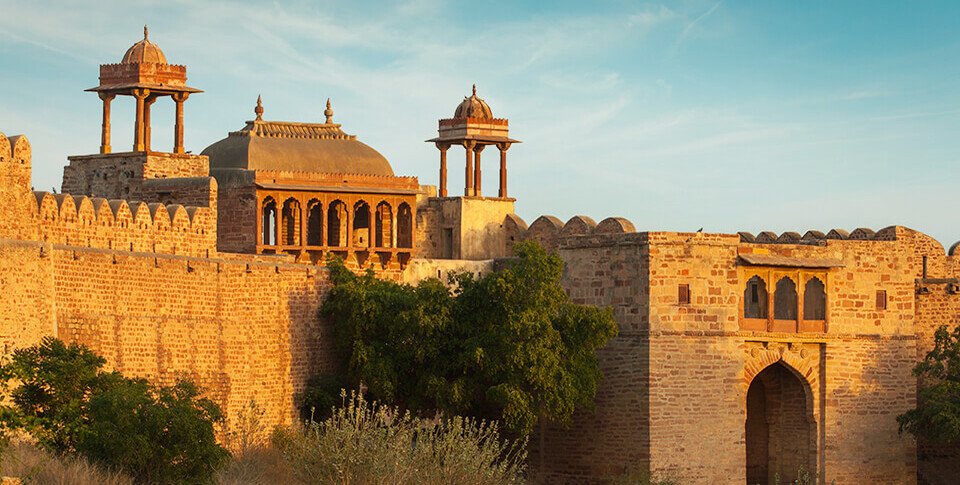
NAGAUR FORT

It is said that Nagaur fort was initially built by ruler of Nag dynasty in 2nd century and was then rebuilt in the early 12th century. This fort has witnessed several battles and has also been altered multiple times.
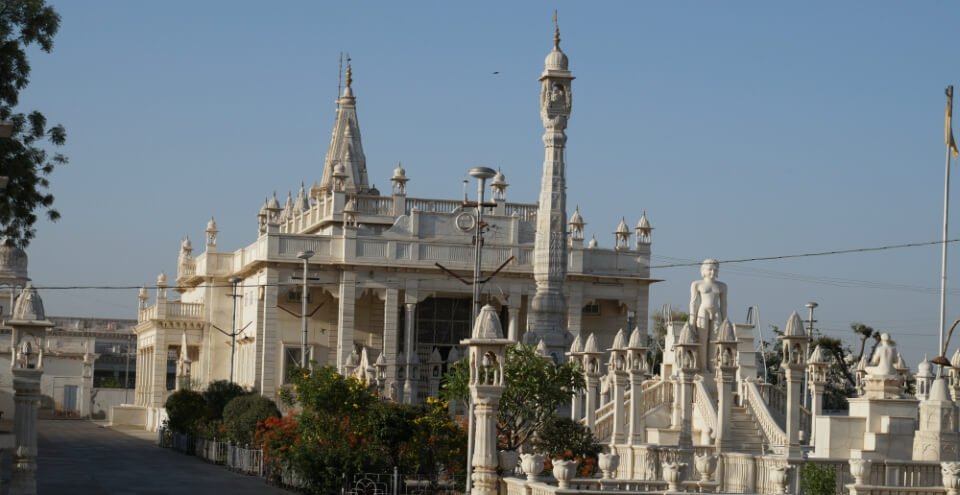
LADNUN

Ladnun is an important centre of Jainism and is considered to be the spiritual hub of Ahimsa or compassion. Its temples were built in the 10th century and have a rich history.
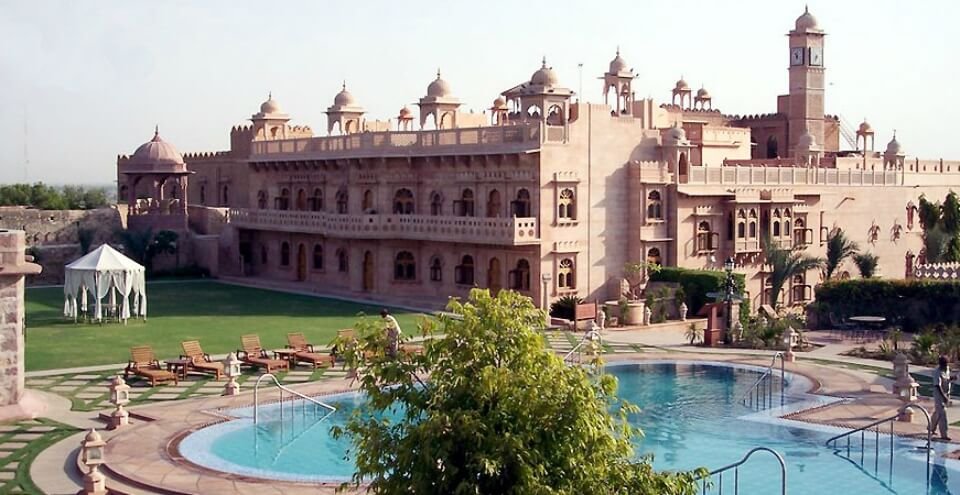
KHIMSAR FORT

It is said that the Nagaur fort was initially built by the ruler of the Nag dynasty in 2nd century, and this 500 year old fort, located on the eastern edge of the Thar Desert was built in about 1523.
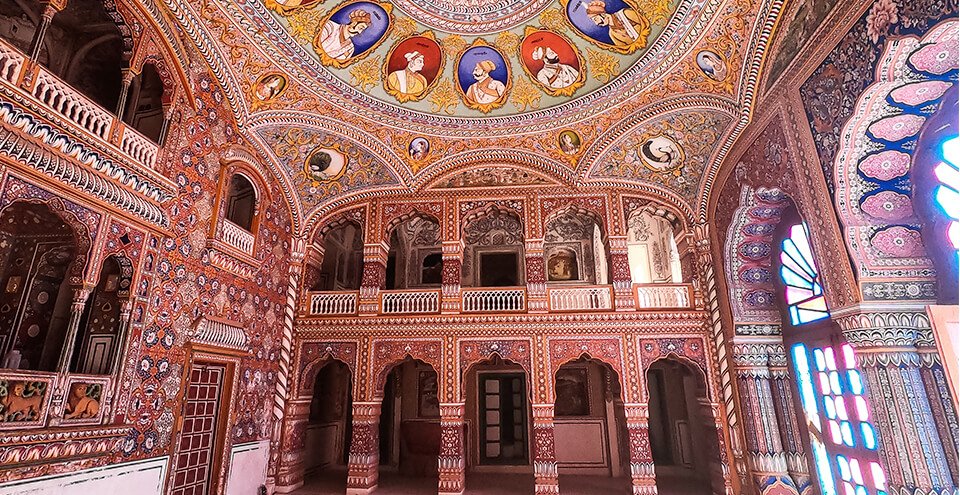
KUCHAMAN CITY

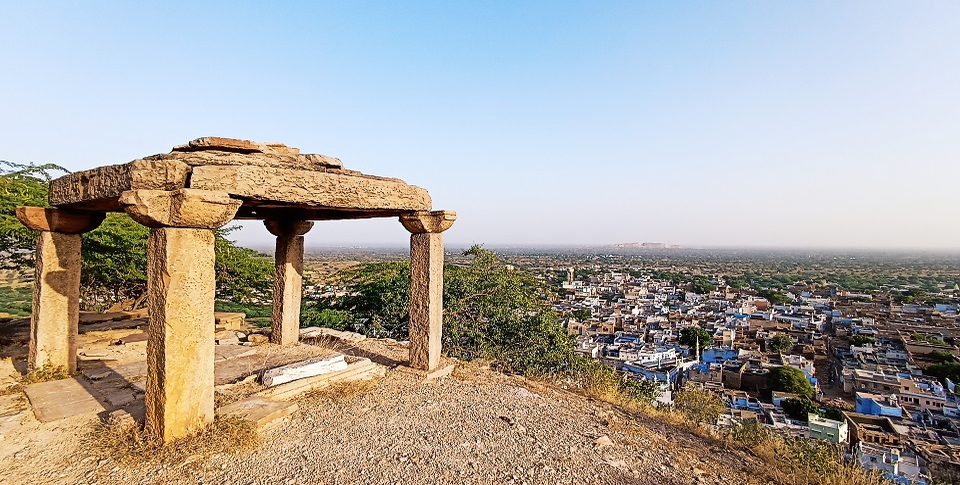
Kuchaman city has many sights to offer. The most important is Kuchaman Fort, one of the oldest and most inaccessible fort of Rajasthan situated on top of a straight hill.
KHATU

Khatu consists of two villages called Bari Khatu and Chhoti Khatu. Bari Khatu has a small fort on its hillock that was built by Prithviraj Chauhan.

KUCHAMAN FORT

KUCHAMAN FORT

Perched at a height of 300 metres atop a cliff, the Kuchaman fort in Nagaur district of Rajasthan is clearly the biggest attraction in the city of Kuchaman.
AHHICHATRAGARH,NAGAUR FORT AND MUSEUM

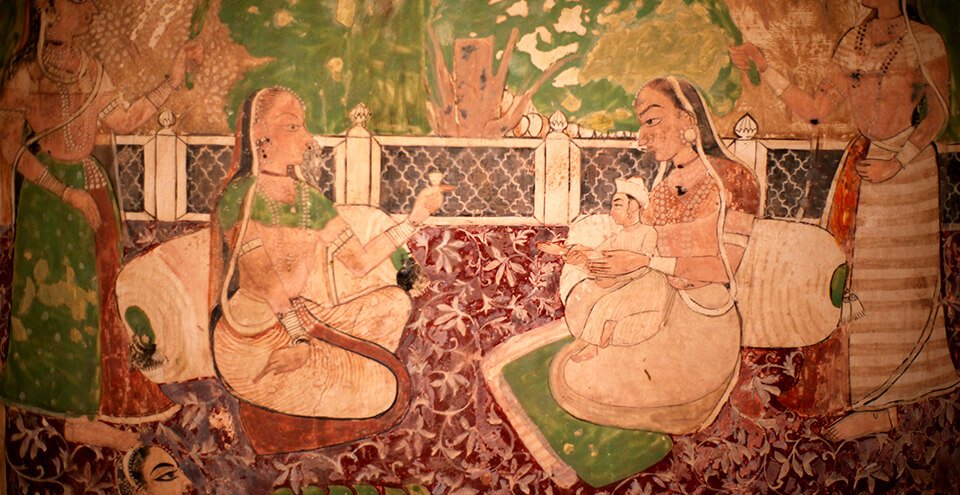
Ahhichatragarh Fort literally translates into “fort of the hooded cobra” is situated in Nagaur. Spread over 36 acres, the fort was in a state of neglect till the 1980s.

PASHUPATI NATH TEMPLE

PASHUPATI NATH TEMPLE

The Pashupati Nath temple is a popular public attraction located in the Manjhwas village of Nagaur district in Rajasthan. This temple is believed to have been built by Yogi Ganeshnath in the year 1982.

JHORDA

Jhorda is a quaint little village in the Nagaur Tehsil, and is quite well-known as being the birthplace of the poet KandanKalpit and of the great saint Baba Hariram.

BADE PEER SAHEB DARGAH

BADE PEER SAHEB DARGAH

Being a celebrated shrine, Bade Peer Sahab Dargah in Nagaur was also opened as a museum on the 17 th of April, 2008.

HOW TO REACH HERE

  • The closest airport is Jodhpur Airport which is 137 kms away.
  • Buses are available from Jodhpur, Jaipur and Bikaner to Nagaur.
  • Nagaur is connected via rail from Indore, Mumbai, Coimbatore, Surat, Bikaner, Jodhpur, Jaipur, etc.