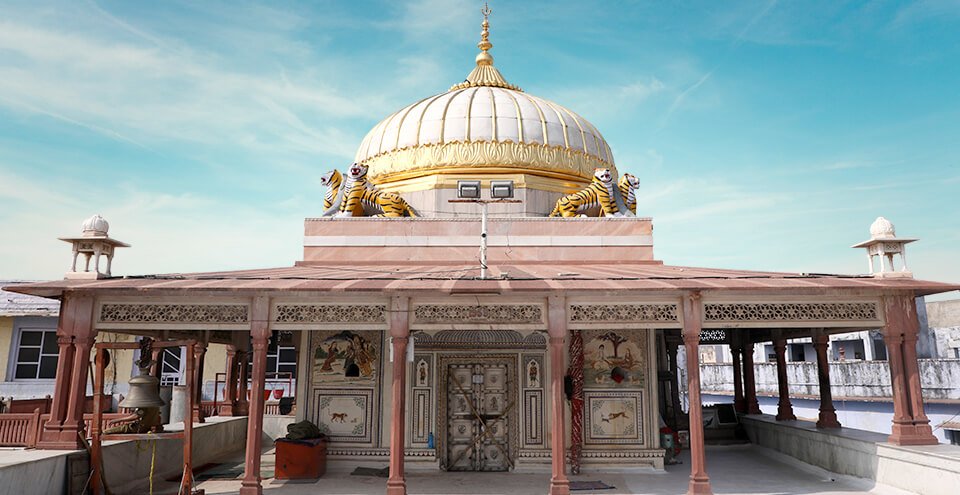
Karauli sits in the eastern part of Rajasthan, surrounded by the scenic Aravalli Hills. The town attracts visitors seeking history, spirituality, and natural beauty. Known for its ancient temples and vibrant traditions, Karauli offers a unique glimpse into Rajasthan’s rich cultural tapestry.
Karauli boasts a history that dates back several centuries. The town once served as the capital of the Karauli princely state. Over time, it grew into a center for art, architecture, and religious devotion. Several palaces and forts stand as reminders of its royal past, while temples narrate stories of faith and mythology. Furthermore, the rulers of Karauli supported the arts, resulting in beautifully painted havelis and intricately carved monuments scattered across the region.
Among Karauli’s highlights, the Kaila Devi Temple stands out as a major pilgrimage site. Devotees from across the country visit to seek blessings and participate in vibrant festivals. The temple’s annual fair draws thousands, offering a spectacle of devotion and cultural expression. Other notable temples include the Mehandipur Balaji Temple, famous for its healing rituals, and the Ganesh Mandir, revered for its beautiful architecture. However, These sacred spaces not only serve religious functions but also preserve Rajasthan’s artistic traditions through their exquisite designs.
The Aravalli Hills provide a beautiful backdrop to Karauli. Rolling hills, lush forests, and small rivers surround the town, inviting nature lovers to explore. Nearby, the Ranthambore National Park, one of India’s premier tiger reserves, lies within reachable distance, offering wildlife enthusiasts an opportunity to witness majestic Bengal tigers in their natural habitat. Additionally, the area around Karauli hosts various bird species, making it a favorite spot for birdwatchers. The natural environment encourages outdoor activities such as trekking, bird watching, and nature walks.
Karauli preserves its folk traditions through music, dance, and crafts. Local artisans create beautiful textiles, pottery, and jewelry, reflecting the town’s artistic heritage. The region celebrates numerous festivals, blending religious rituals with colorful performances of Ghoomar dance and folk songs. Moreover, these events foster community spirit and invite visitors to participate in local life. Moreover, the traditional cuisine of Karauli offers rich flavors, with dishes like dal bati churma and ker sangri showcasing Rajasthan’s culinary heritage.
Karauli serves as a less crowded alternative to Rajasthan’s more famous tourist spots. Its proximity to cities like Jaipur (about 140 km) and Agra makes it accessible for travelers seeking offbeat destinations. However, The town offers various accommodation options, ranging from budget guesthouses to heritage hotels that provide a glimpse of royal living. Local guides help visitors explore temples, forts, and nature spots, enriching the travel experience. Furthermore, the town’s peaceful atmosphere appeals to those looking to escape the busy tourist circuits.
Apart from tourism, agriculture forms a significant part of Karauli’s economy. The fertile plains support crops like wheat, mustard, and pulses. Handicrafts also contribute to livelihoods, especially weaving and pottery, which reflect traditional skills passed through generations. Additionally, Community initiatives increasingly focus on sustainable tourism and preserving cultural heritage, ensuring that development benefits locals while maintaining Karauli’s charm.
In conclusion, Karauli offers a perfect blend of history, spirituality, and nature. It invites travelers to step away from typical tourist paths and discover Rajasthan’s deeper cultural roots. Whether for pilgrimage, exploration, or relaxation, Karauli promises a memorable and enriching experience. The town’s welcoming people, serene landscapes, and vibrant traditions make it a hidden gem waiting to be explored.

Situated on the outskirts of Karauli, at a distance of about 25 km from the city is the temple of Kaila Devi. This beautiful shrine is right on the banks of Kalisal River in the ranging hills of Trikut.
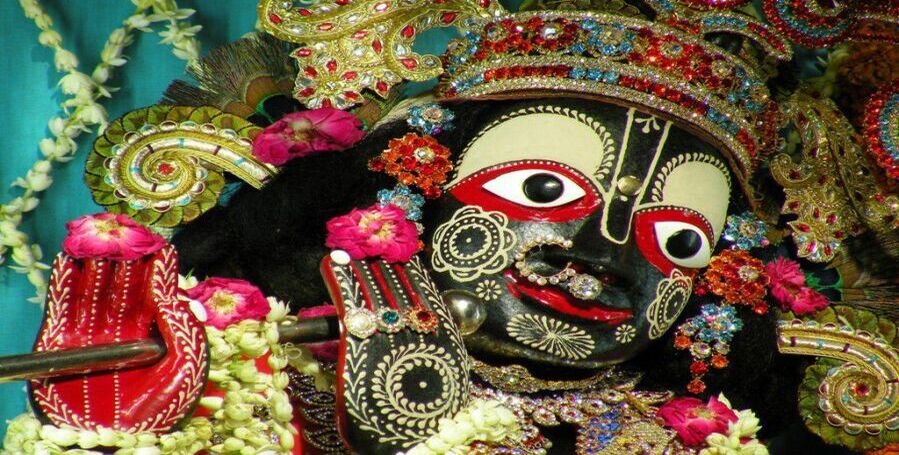
Madan Mohan, another name for Lord Krishna is a very well celebrated temple in Karauli. The erstwhile kings of the region considered it to be very lucky and is known to have blessed many warriors with victories.

The Mehandipur Balaji Temple is world renowned temple dedicated to Monkey God, Lord Hanuman. The temple is located in a small village of Karauli called Mehandipur.

Shri Mahavir Ji Temple, as the name suggests is a spectacular architectural structure dedicated to the Jain tirthankars. It is one of the most visited and famous pilgrimage destinations for the Jains.

GomtiDham is famous for the ashram of SantGomti Das ji, facing SagarTalab and Timangarh fort amidst dense forest. This arena of peace and tranquillity is a much needed getaway from your daily grind.
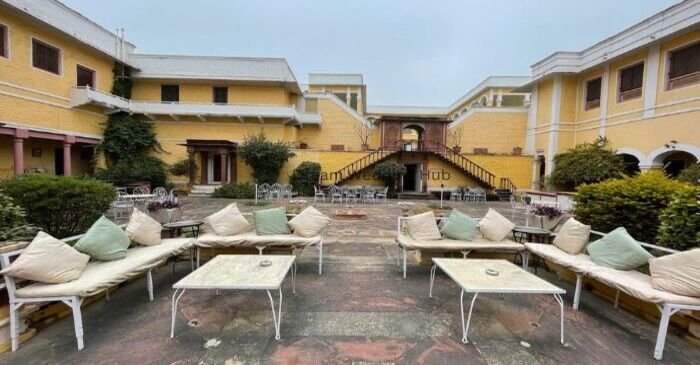
Originally built as the royal residence by Maharaja Ganesh Pal DeoBahadur in the year 1938, Bhanwar Vilas Palace is now partially turned into a heritage hotel for guests to stay.
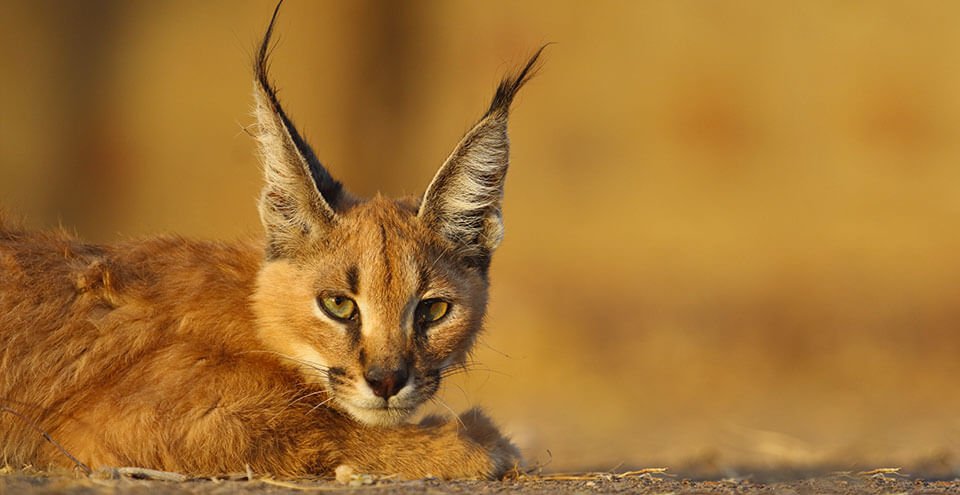
Covered in rich and dense forests, the Kaila Devi Sanctuary begins right after the Kaila Devi Temple and extends on both the sides of the road to eventually join the Ranthambore National Park.
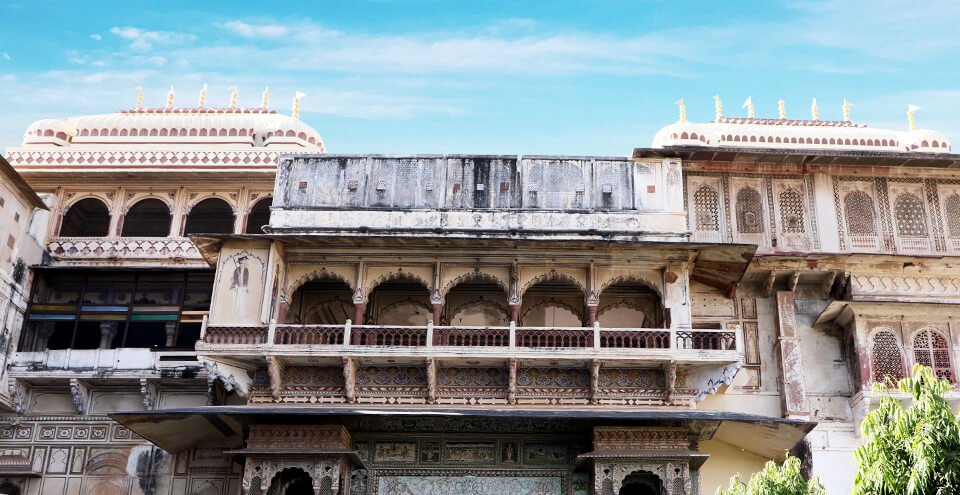
Built in the fourteenth century, the monumental City Palace was originally built by Arjun Pal. The structure that one can see now is erected by Raja Gopal Singh in the eighteenth century.
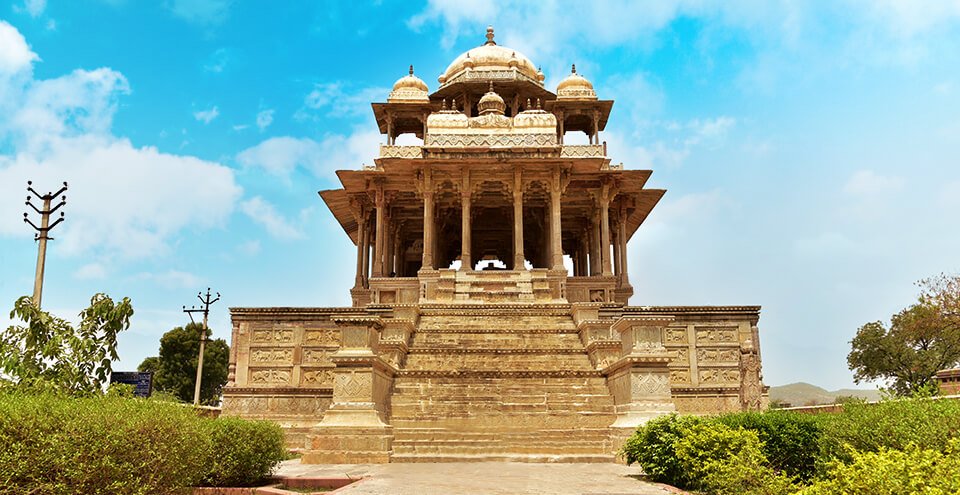
The Chattri of Raja Gopal Singh, outside the Nadi Gate leading out of the palace to the river is beautifully adorned with fresco paintings.

The great Timangarh Fort, built in 1100 AD is named after the King Timanpal and is situated at a distance of 40 km from Karauli.
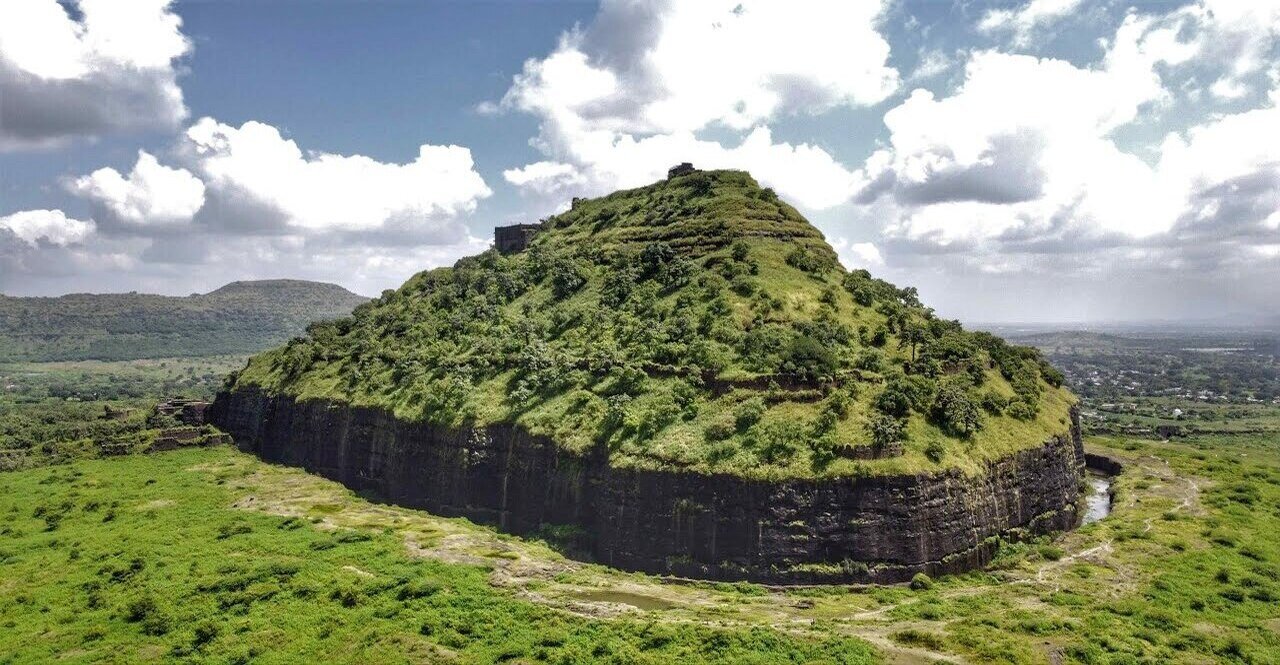
Utgir, built by the Lodha warriors is situated on a triangular peak of Aravallis while the Devgiri Fort is in the ravines of Chmabal River between Karanpur and Khandar.

Situated 40 kms from the main district, Mandrayal is a significant town of Karaulithat joinsRajasthan and Madhya Pradesh. Raja Arjun Dev captured this fort from Muslim Kiledar Miya Makan in 1327 AD.

Gadhmora is counted amongst one of the most ancient villages of Rajasthan and is believed to have been in existence since Lord Krishna’s era. This place got its name from its ruler - Raja MorDhwaj.
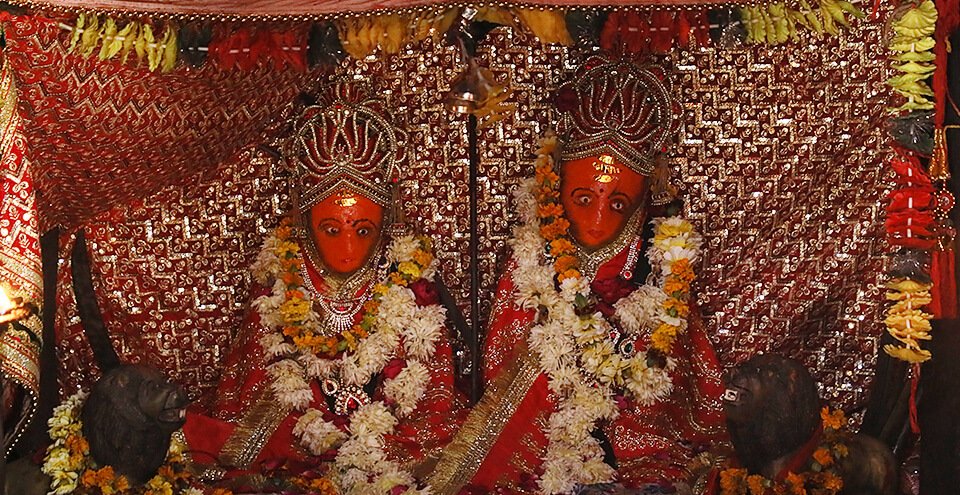
The Gufa Temple as the name suggests is a cave situated amidst the dense forests of Rantahmbore. This temple is actually believed to be the original temple of Kaila Devi.