Rising perpendicular and impregnable from a hill which is 125 metres above Jodhpur’s skyline is the Mehrangarh Fort.

Umaid Bhawan Palace was built by Maharaja Umaid Singh in 1929 to counter a famine which had hit the state at the time.
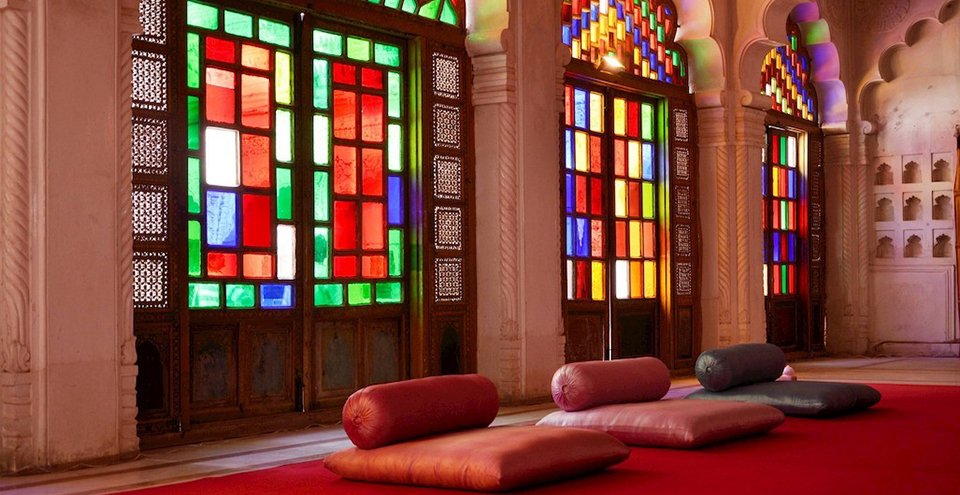
Moti Mahal, as the name suggests, is the Pearl Hall where the royal families held their audience. The hall is known to have glass windows and five nooks that enabled the queens to listen to the proceedings taking.
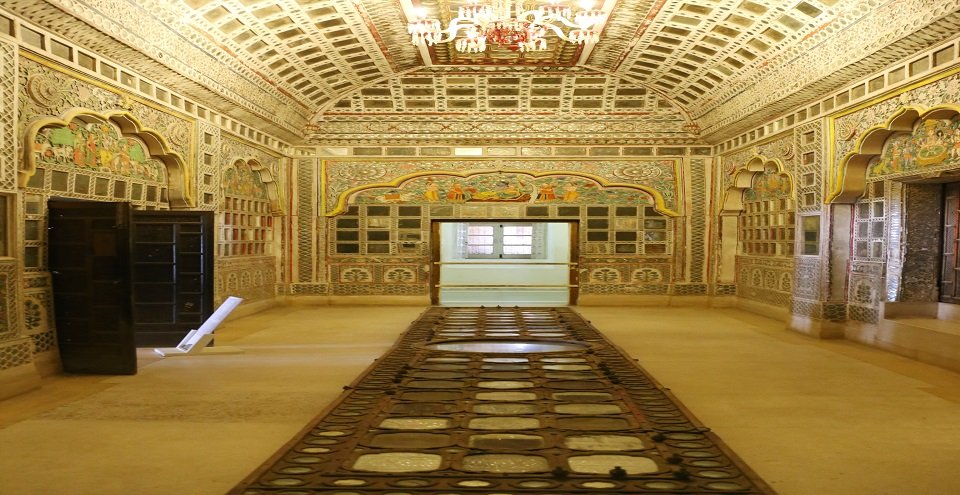
Situated within the compound of Mehrangarh Fort is the glass palace of Jodhpur, popularly known as Sheesh Mahal.
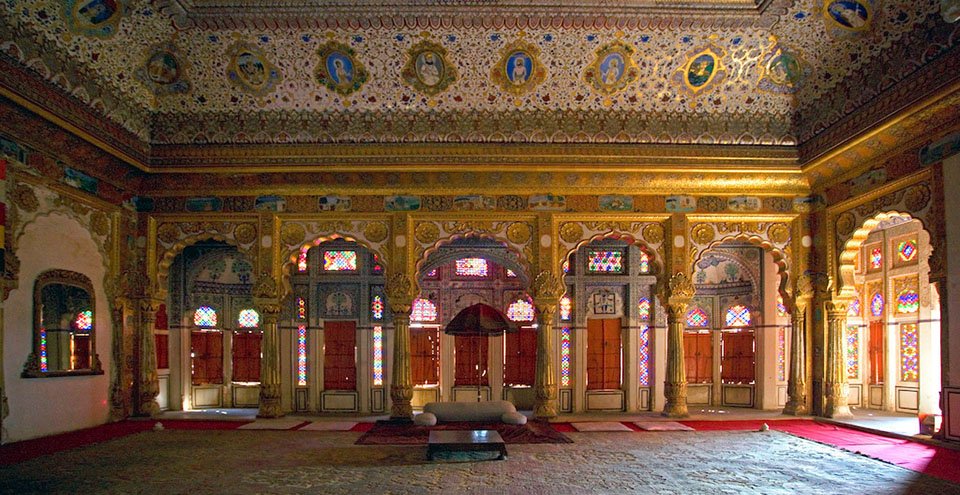
Going by the name, the Phool Mahal or Flower Hall is the most exorbitant of all the halls in the palace. This beautiful chamber is said to be the pleasure dome for the Maharajas.
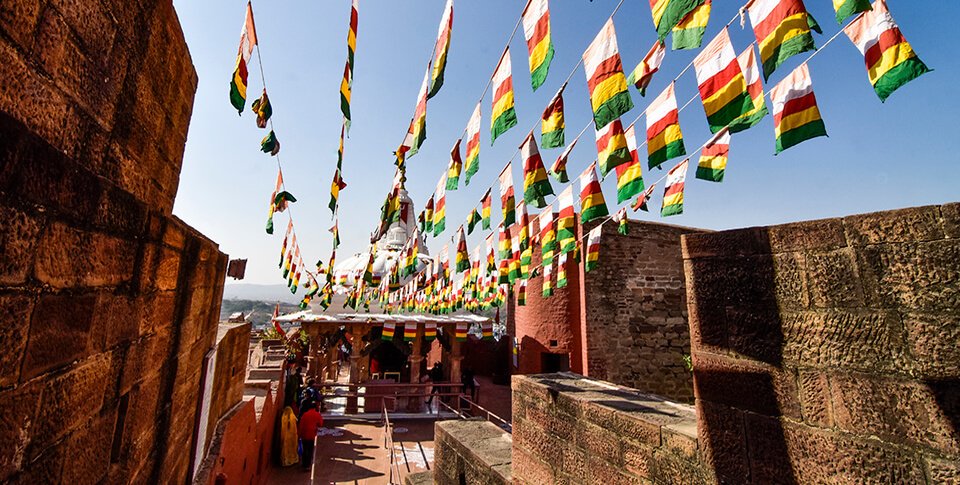
Chamunda Mataji was Rao Jodha’s favourite goddess and so her idol was bought to the Mehrangarh Fort. Thus, the fort became a place of worship and was turned into a temple.
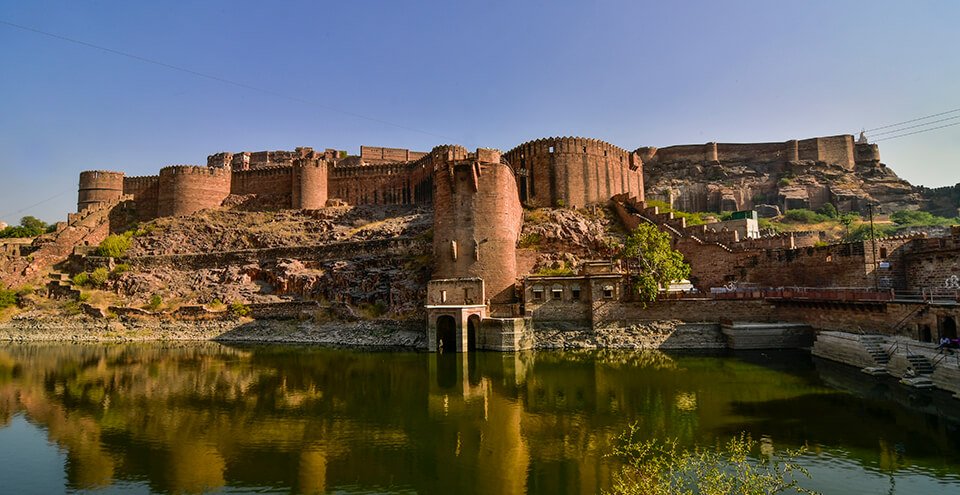
Located near the Fateh Pole in Mehrangarh, the Ranisar and Padmasar are adjacent lakes that were constructed in the year 1459.
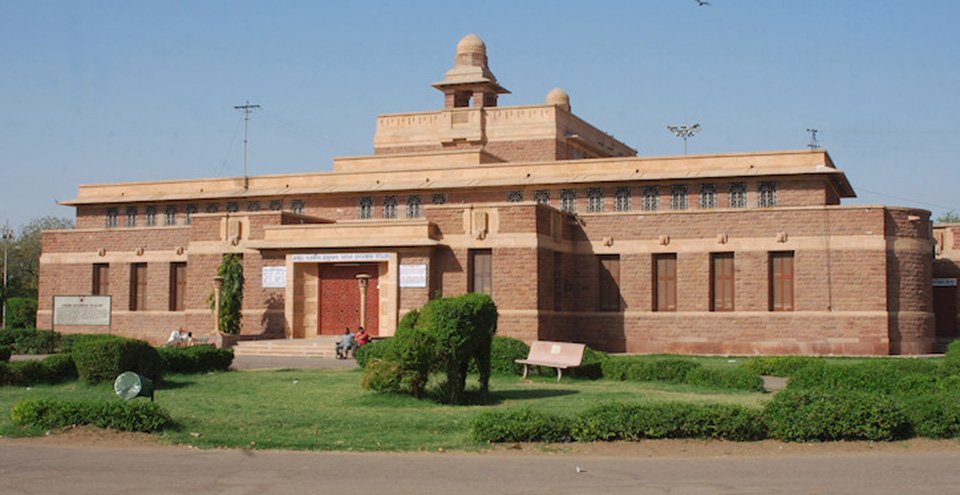
The government museum, located in Umaid Garden, houses a rich collection of relics including armory, textiles, local art and crafts, miniature paintings, portraits of the then rulers of Marwar Princely State.

This milky white memorial built towards the end of the 19th century as a tribute to the leader Jaswant Singh is a huge tourist attraction. Jaswant Singh, who ruled Jodhpur, invested well in his state.

Ghanta Ghar, also known as the clock tower, is situated in one of the busiest areas of Jodhpur. The tower was built by Maharaja Sardar singh from whom the adjacent Sardar market takes its name.
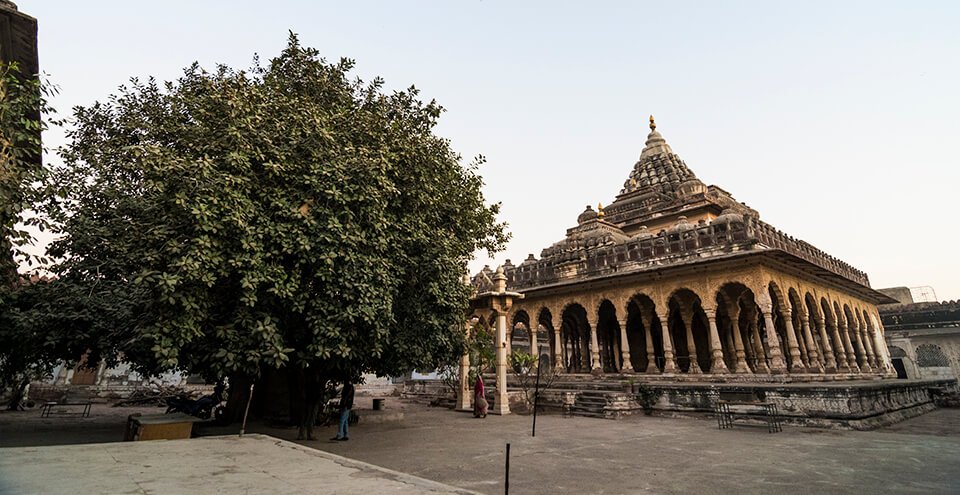
Mahamandir, meaning great temple, is a sanctified spot where tranquillity reigns supreme. Situated on Mandore road, the temple is an architectural wonder.

The Mandaleshwar Mahadev was built by Mandal Nath in AD 923. It is believed to be one of the oldest shrines in the city. The walls of the temple have some beautiful paintings of Lord Shiva and Goddess Parvati.
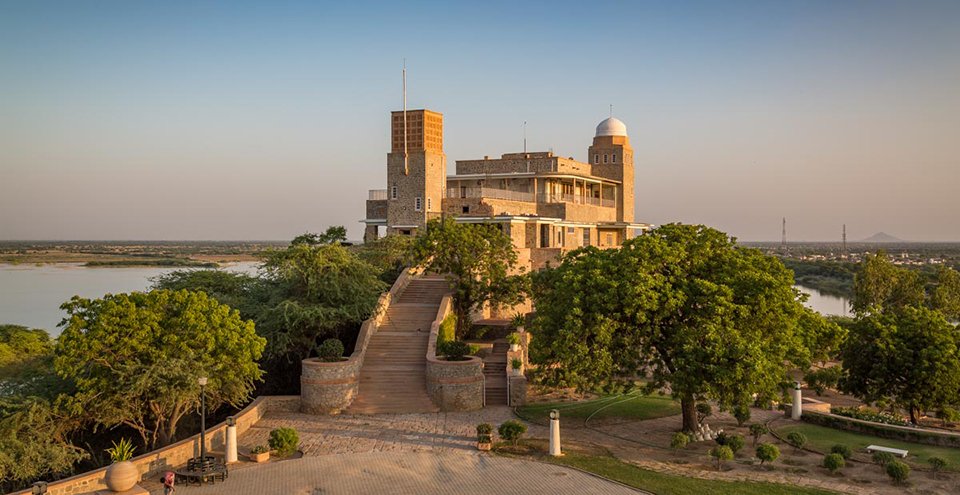
Built on the banks of the Sardar Samand Lake by Maharaja Umaid Singh in 1933, the Sardar Samand Lake Palace is a spectacular hunting lodge.

Masuria garden is one of the three most beautiful and famous gardens of Jodhpur. Located on top of the Masuria hill in the middle of Jodhpur city.

Shastri Circle is a traffic roundabout in the middle of Jodhpur City. While it has a job to do during the day, it is most spectacular at night, when it comes to life with lights and fountains.

Towards the north of Jodhpur city is the ancient capital of Marwar, Mandore. This area is of major historical importance and you will find the dewals or cenotaphs of Jodhpur’s former rulers.

Situated on Jaisalmer road, this small artificial lake is an ideal picnic spot. It is like a canvas with a splash of romantic colours. The beauty of the lake stays with you long after you’ve experienced it.

This park is situated on the way to Jaisalmer, about 1 kilometer from Kailana Lake. It offers a bird watching point for visitors and is also home to several animals.
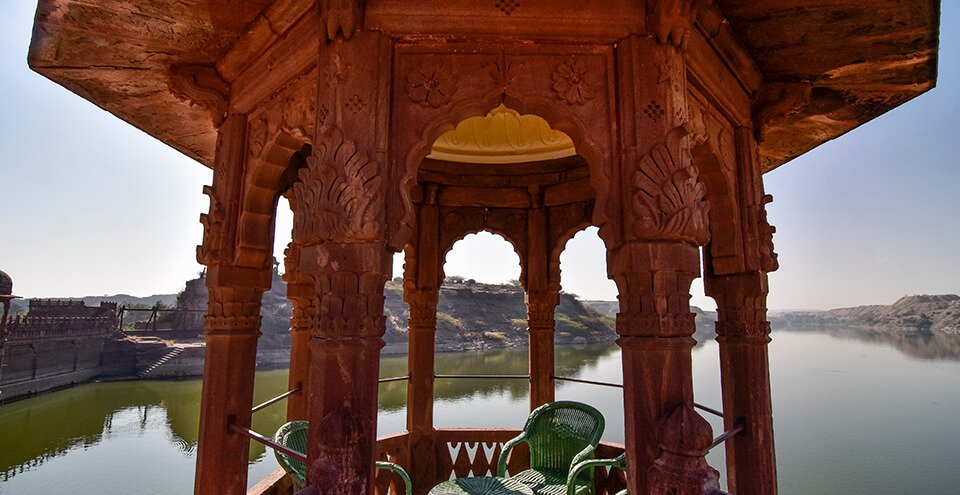
Balsamand Lake is about 5 kilometres from Jodhpur on the Jodhpur-Mandore Road. Built in 1159 AD, it was planned as a water reservoir to cater to Mandore.
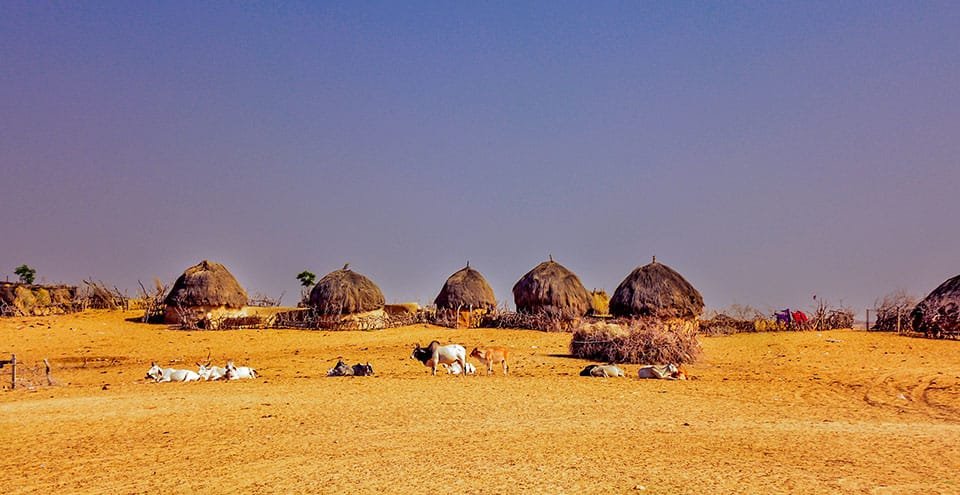
Guda, a Bishnoi village, is home to a vivid range of exotic wildlife and nature. It is a habitat for thousands of migratory birds in the area. One can often catch the Demoiselle crane frolicking at the lake.
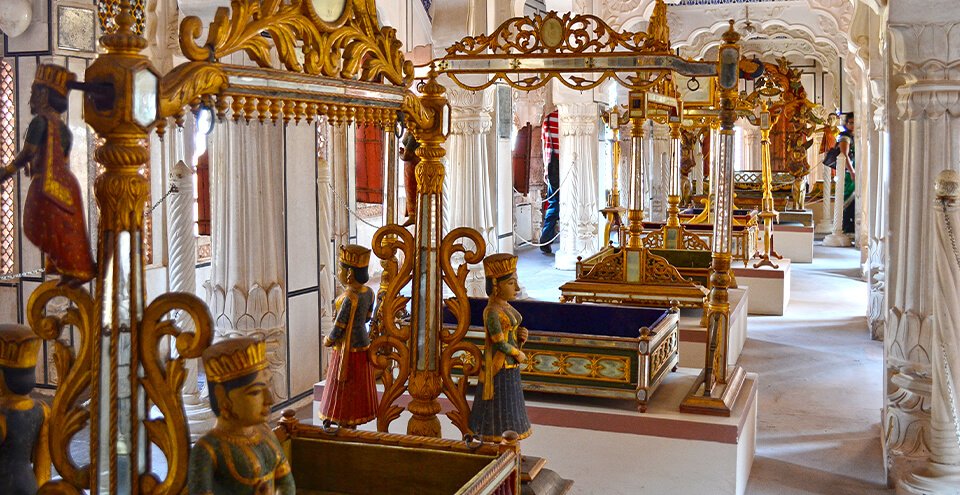
Mehrangarh, the fort of Jodhpur, crowns a rocky hill that rises 400 feet above the surrounding plain and appears both to command and to meld with the landscape.
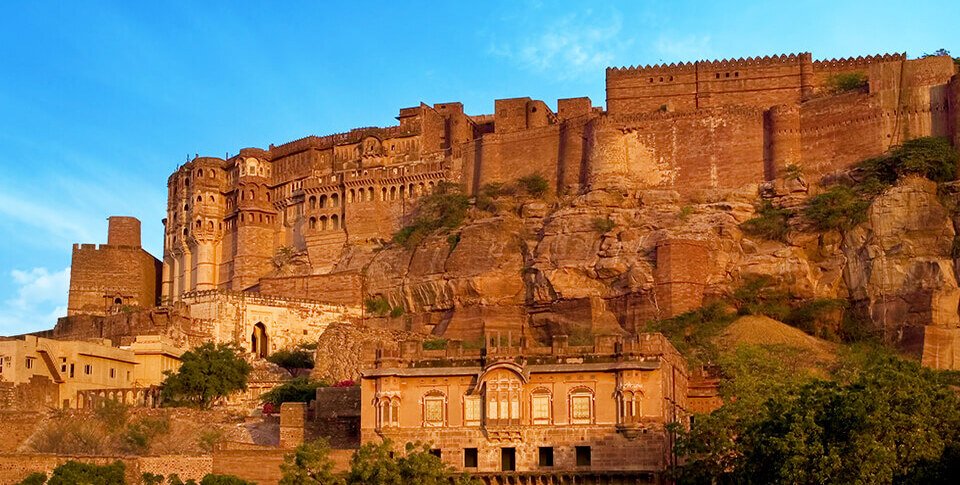
Visit the Chokhelao Bagh which sits at the foot of the Mehrangarh Fort. This over two hundred-year-old garden, complete with the scents, sounds, and textures of a garden of the eighteenth century.
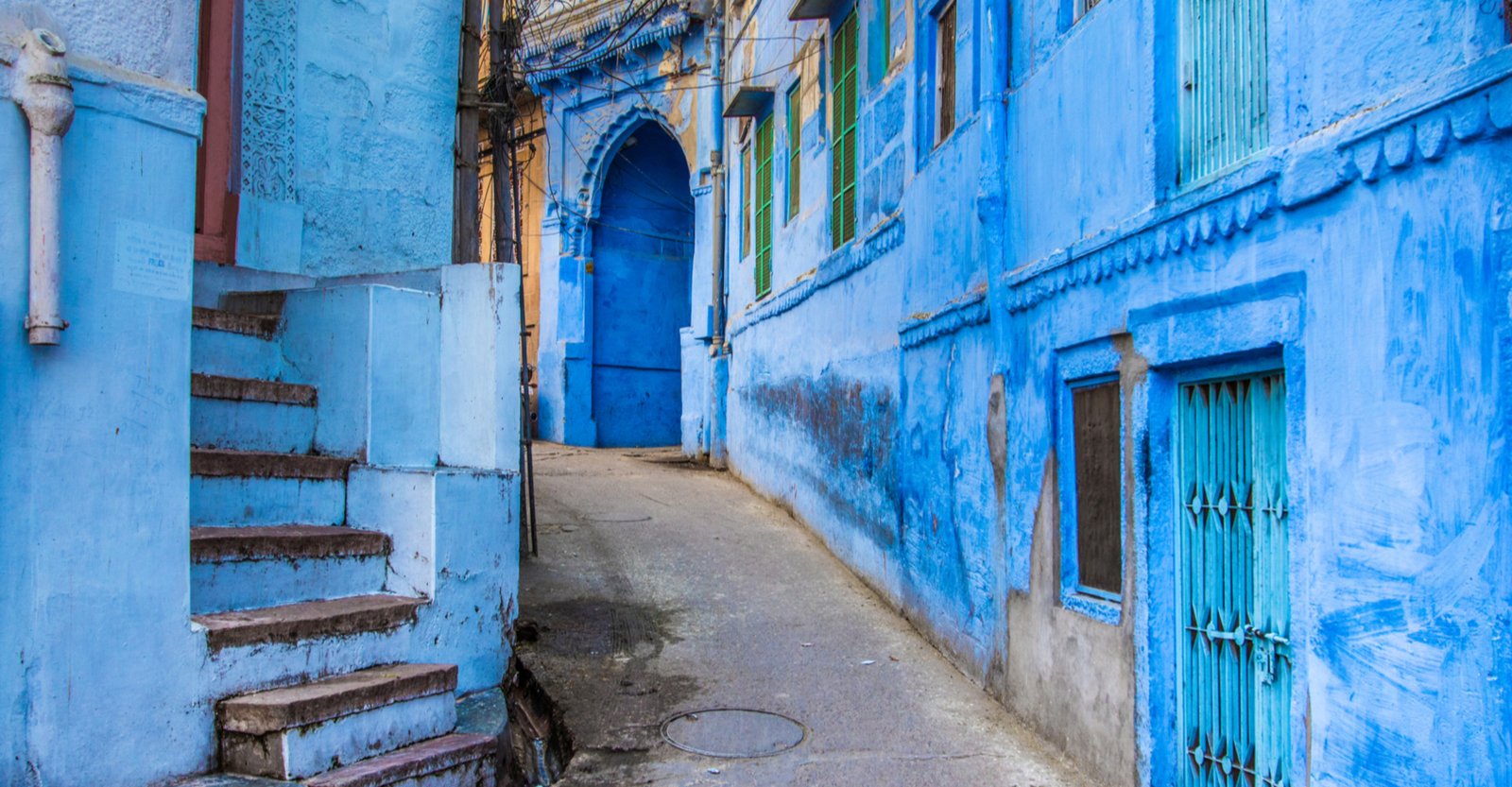
Village Salawas a small village 22 kms away from Jodhpur city towards Pali is a Centre for Hand woven cotton carpets, pottery, block printing . The Rural spectrum of lifestyle of villagers is an added attraction.

Sixty Five KM Away from Jodhpur City on Road leading to Phalodi Town, in the annals of Cultural history of the region, Osian houses a stepwell and Ruins of Hindu Temples of 8th to 11th Century AD.

Village Khejrli KM away from Jodhpur city in the The name of village Khejrli is derived from the tree Khejri (Prosopis cineraria ) which are prominent in western rajasthan.