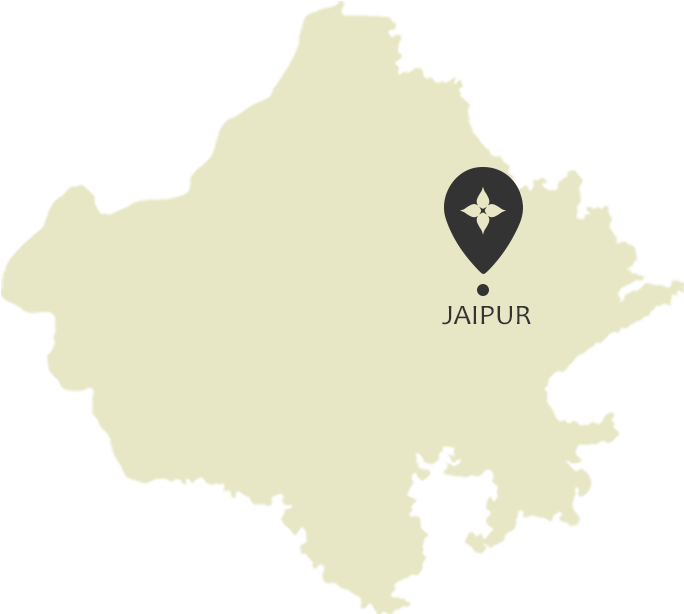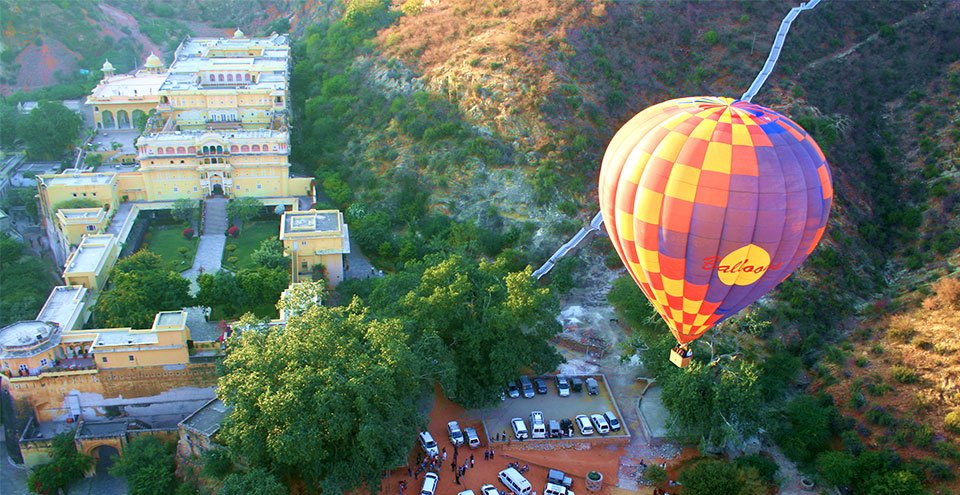
Samode is located 40kms northwest of Jaipur on Jaipur-Sikar road. The beautiful 475 year old Samode Palace provides a fine example of the Rajput haveli architecture.
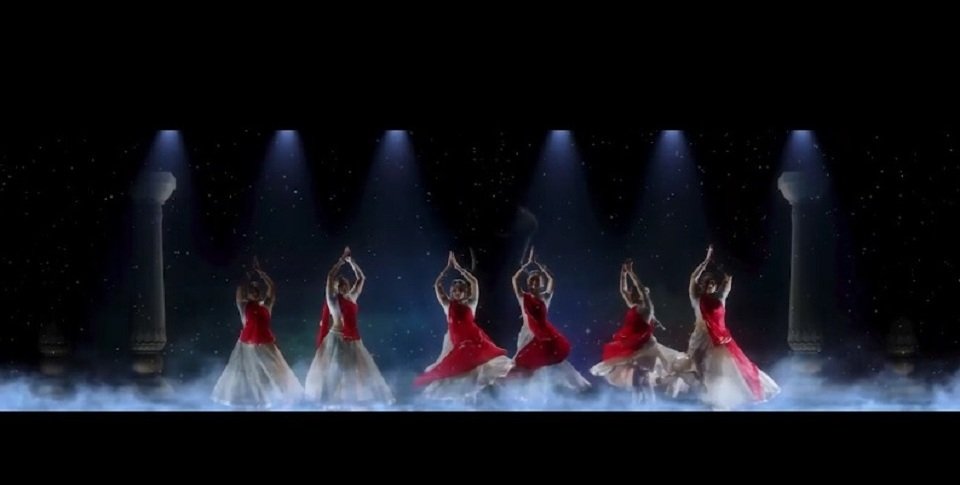
Light & Sound Show at Jainiwas Udhyan is one of the first 3-D projection mapping-based light & sound show in Rajasthan.
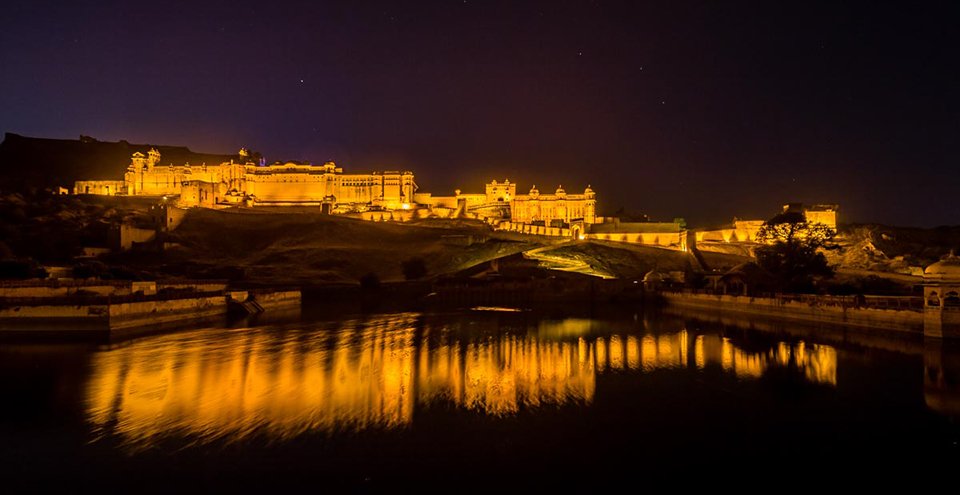
Amber (pronounced Amer) is at a distance of about 11 kilometres from Jaipur. The palace, located in craggy hills, is a beautiful melange of Hindu and Mughal styles.

Located deep within the walled city, the City Palace Complex was conceived and built by Maharaja Sawai Jai Singh II, the founder of Jaipur.
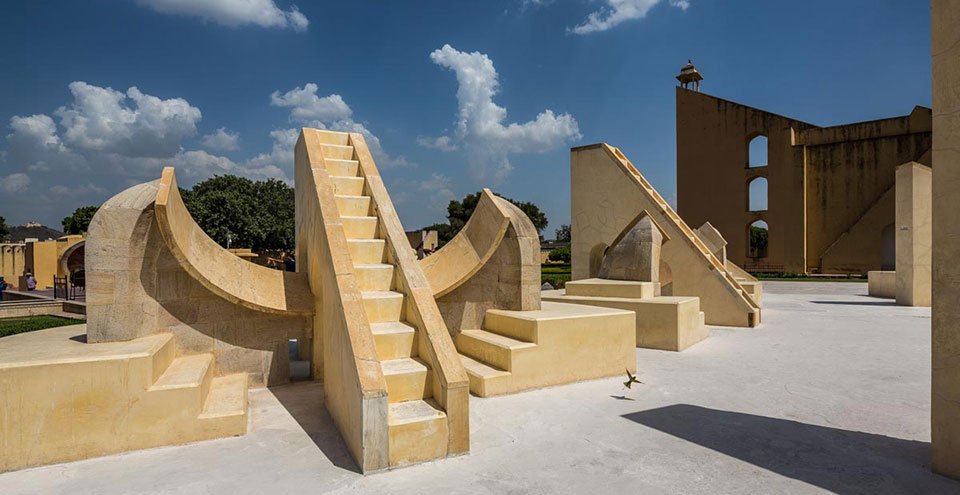
Now a UNESCO World Heritage Site, Jantar Mantar in Jaipur is considered to be the largest of the five astronomical observatories built by Maharaja Sawai Jai Singh II, the founder of Jaipur.

Hawa Mahal, literally the Palace of Winds, was built in 1799 by the poet king Sawai Pratap Singh as a summer retreat for him and his family.
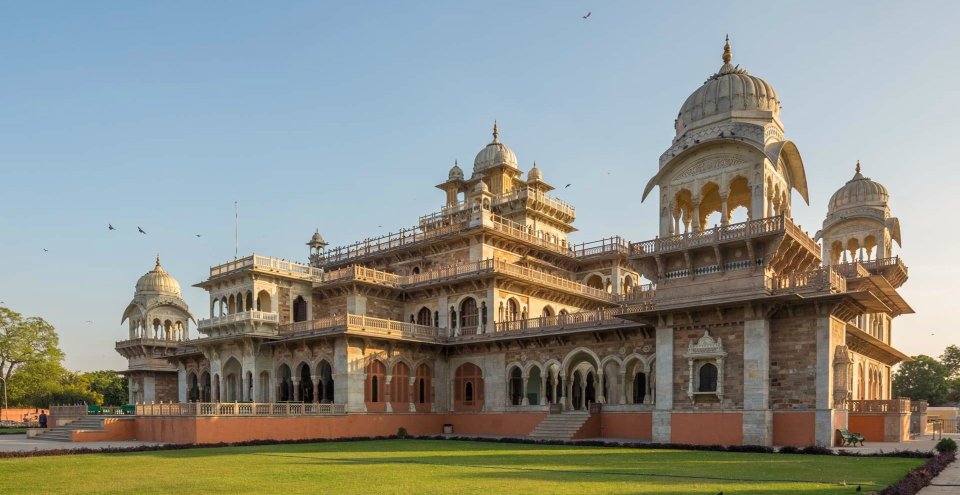
The building gets its name from The Victoria and Albert Museum in London, the inspiration for its design. The exquisitely built Albert Hall is housed in the centre of Ram Niwas Garden.

Nahargarh Fort sits proudly on a ridge of the Aravalli Hills, creating an impressive northern backdrop to the city of Jaipur. It had constructed during the reign of Jai Singh in 1734, and was later expanded in 1868.

About 15 kilometres from Jaipur, Jaigarh Fort was built by Sawai Jai Singh II sometime in the early 18th century amidst the arid, rocky and thorn-scrub covered hills.
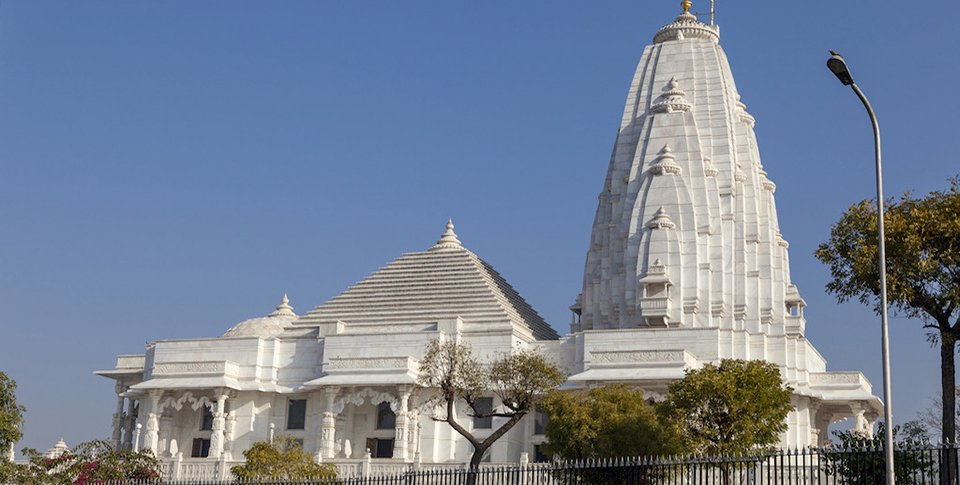
The Lakshmi-Narayan Temple, or the Birla Temple, as it is more popularly known as, is located at the base of Moti Dungari.
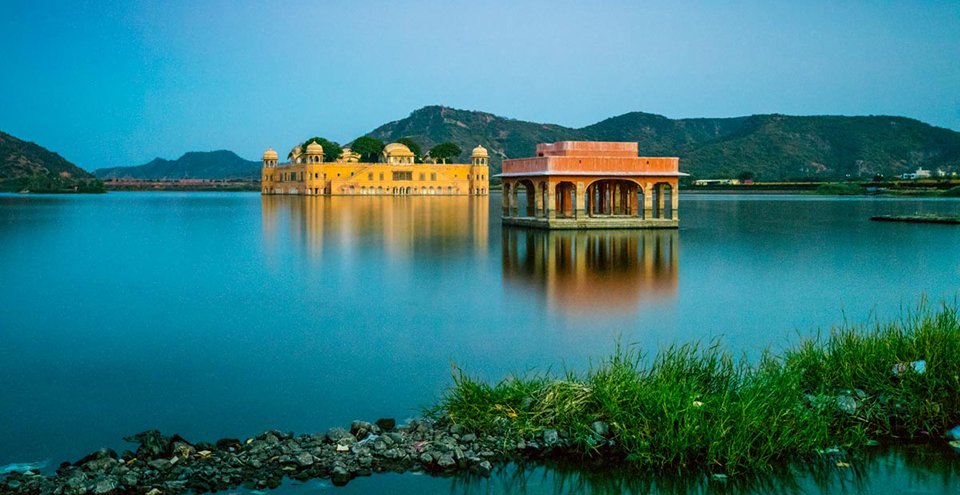
One of the most wonderful sights in Jaipur is the beautiful Jal Mahal or Lake Palace. The light, sand coloured stone walls and the deep blue of the water make for a wonderful contrast.

Just off the Jaipur-Amber road is Gaitore, where the former Maharajas of Jaipur are entombed. The chhatris (cenotaphs), made of white marble display the distinctive Rajput style of architecture.
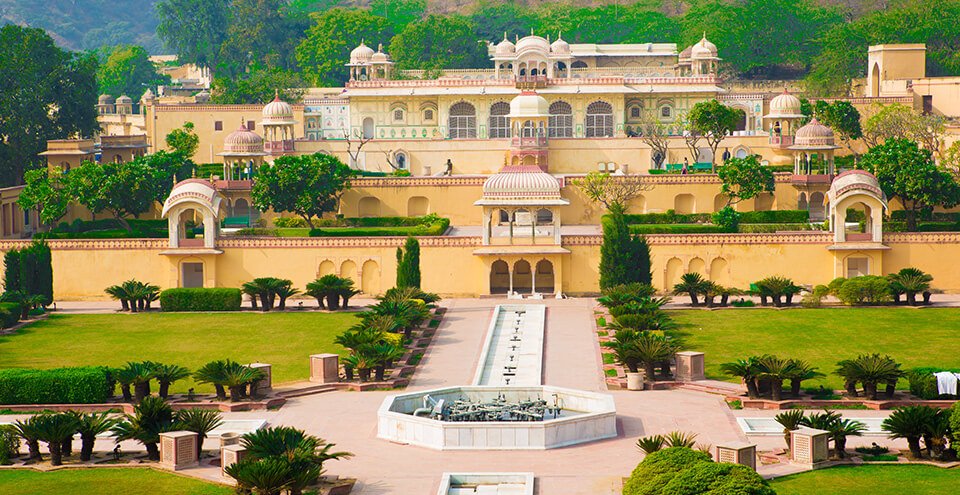
Sisodia Rani Palace and Garden is located 8 kilometres from Jaipur on the Agra road. Laid out in Mughal style, it has painted with the legends of Radha and Krishna.

Located near Sisodia Garden, this is yet another beautiful garden which is a must-see for visitors. It has named after Vidyadhar Bhattacharya, the Chief Architect of Jaipur.
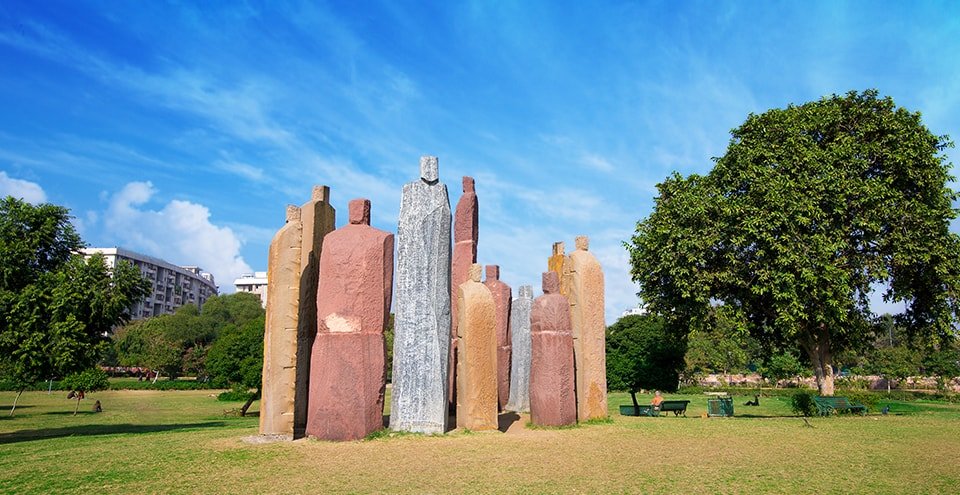
Central Park is the largest public park in the heart of the city. It features lush green lawns, a 5-km jogging track, musical fountains, and India’s tallest national flag (206 feet high).
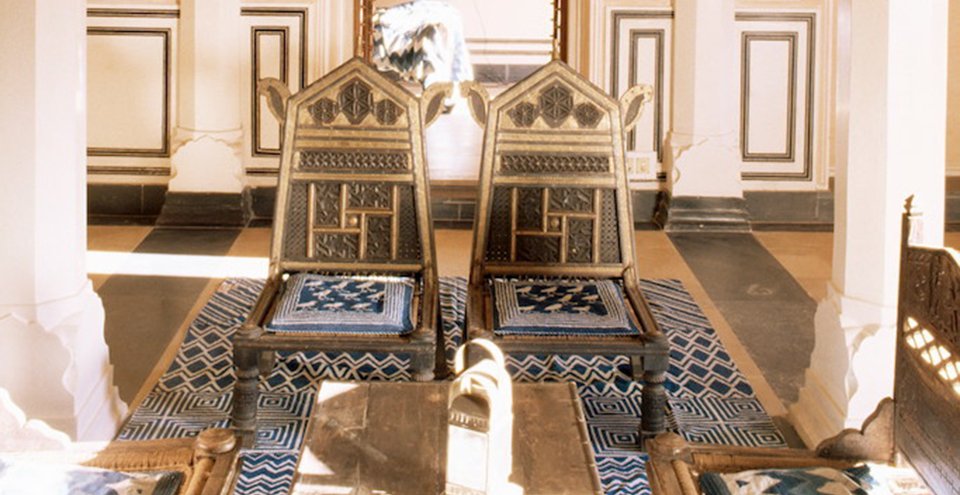
At a mere ten-minute walk through the cobbled streets of Amber lies the Anokhi Museum of Hand Printing. Located in a magnificently restored haveli.

The Krishna temple is a rare spire-less temple and houses the idol of Govind Devji that Sawai Jai Singh brought from Vrindavan.

Moti Doongri is a small hill around which the city of Jaipur flourishes. Moti Doongri means pearl hill, because the hill indeed resembles a pearl drop.

The ancient Digamber Jain temple at Jaipur is in Sanganer, 14 km from the city. The principal idol in the Sanghiji Temple is of Lord Adinath in the Padmasan (lotus position) posture.

Galtaji is an ancient pilgrimage centre in Jaipur. Set amidst low hills and packed with locals and tourists alike, the attractive spot has temples, pavilions and holy kunds (natural springs and water tanks).
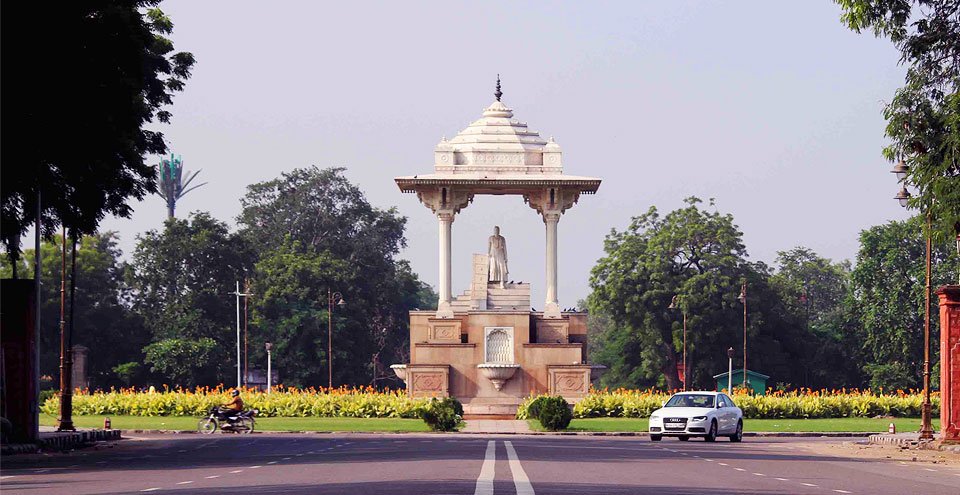
A life-size white marble statue of Sawai Jai Singh II, the founder of Jaipur, stands tall in the middle of a circle in the C-Scheme area. Erected in his honour, the statue pays homage to the founder of Jaipur.

Firstly, This historical garden was built by Maharaja Sawai Ram Singh in 1868. Secondly, Located in the heart of the city, the garden houses the Albert Hall Museum (now known as Central Museum), a bird park, a zoo, etc.
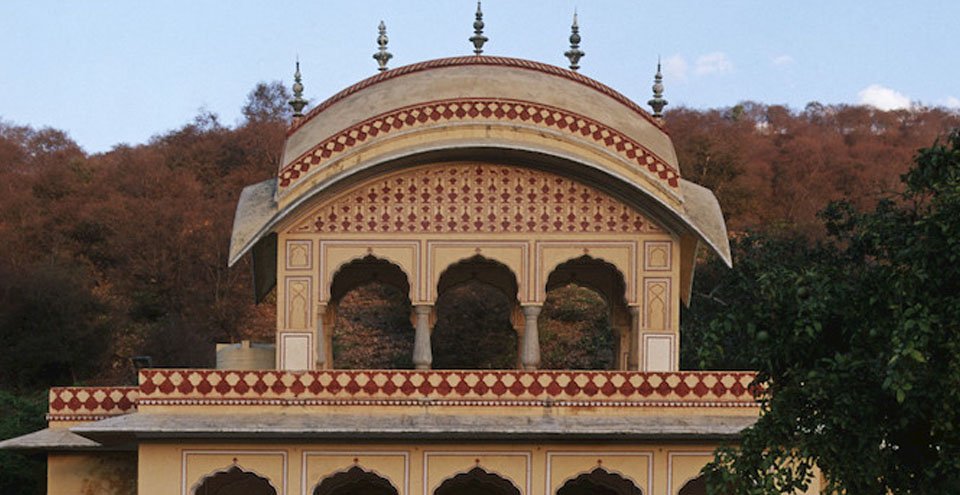
Located at the foothills of Nahargarh hills on the way to Amber, Kanak Vrindavan is popular among the locals for picnics.
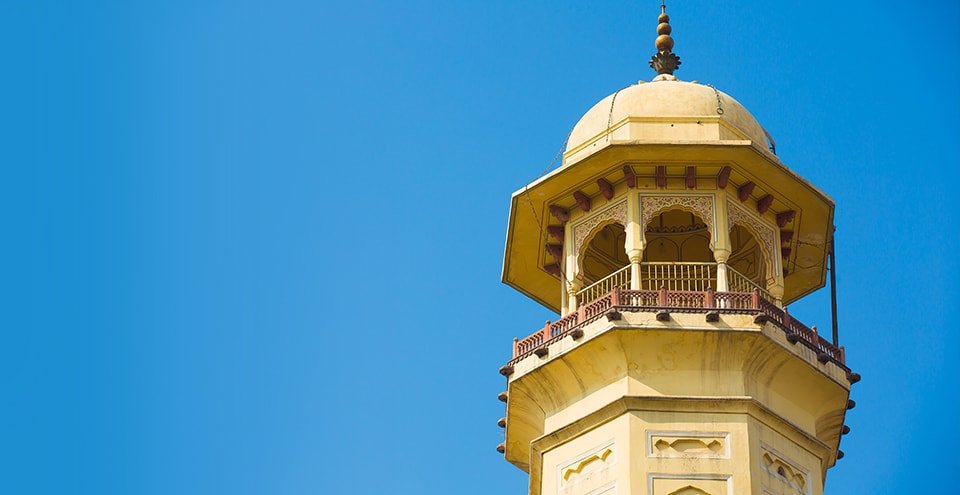
Ishwar Lat, is a 60 feet high grand minaret in Jaipur. Also called 'Swarg Suli' or 'heaven piercing minaret', this tower near Tripolia Gate was built by Raja Ishwari Singh in 1749 A.D to commemorate a grand victory.
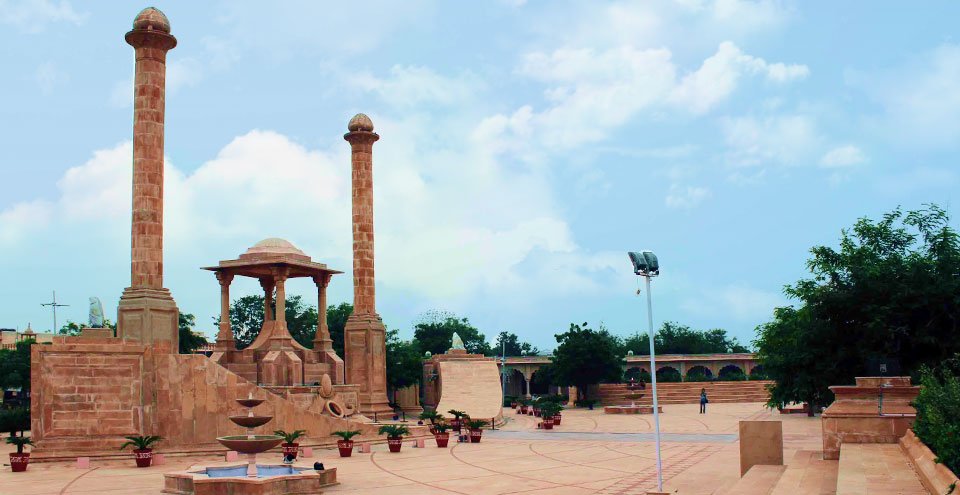
The Amar Jawan Jyoti, or the ‘flame of the immortal soldiers’, is a memorial dedicated to the martyrs of Rajasthan. This memorial is near Jaipur’s Vidhan Sabha Bhawan (Legislative Assembly).
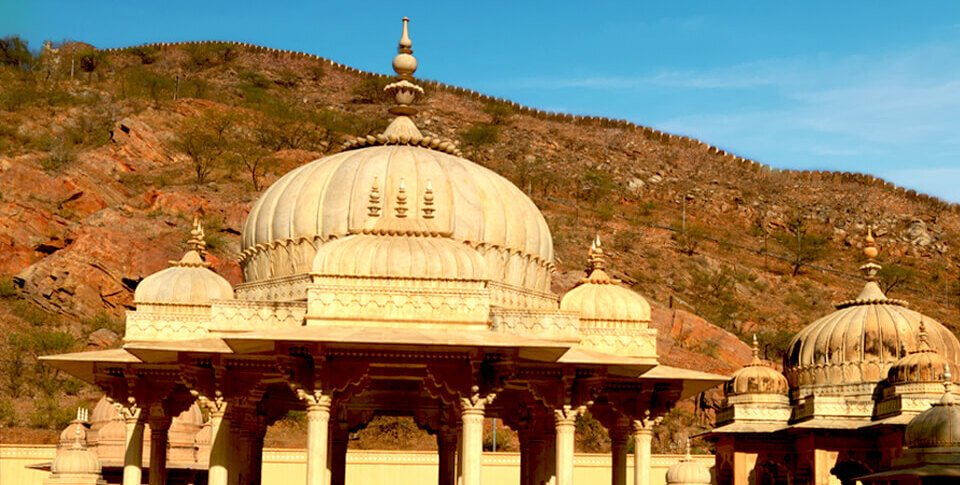
Maharani Ki Chhatri was a special funeral area for women belonging to Jaipur's royal family and is on the way to Amber fort.

Nahargarh Biological Park, a part of the Nahargarh sanctuary is about 12 km from Jaipur on the Jaipur-Delhi highway. although It encompasses a large area of 720 hectares and is situated under the Aravalli range.

Amidst the confines of the Nahargarh Fort at the foothills of the Aravallis lies the Jaipur wax museum, certainly a visit of which is sure to leave you awe-struck! It has developed by Entertainment 7 Ventures Pvt Ltd.

The Jawahar Kala Kendra, more popularly known as the JKK, is an international institution that focuses on preserving and promoting the different genres of Indian culture and art.
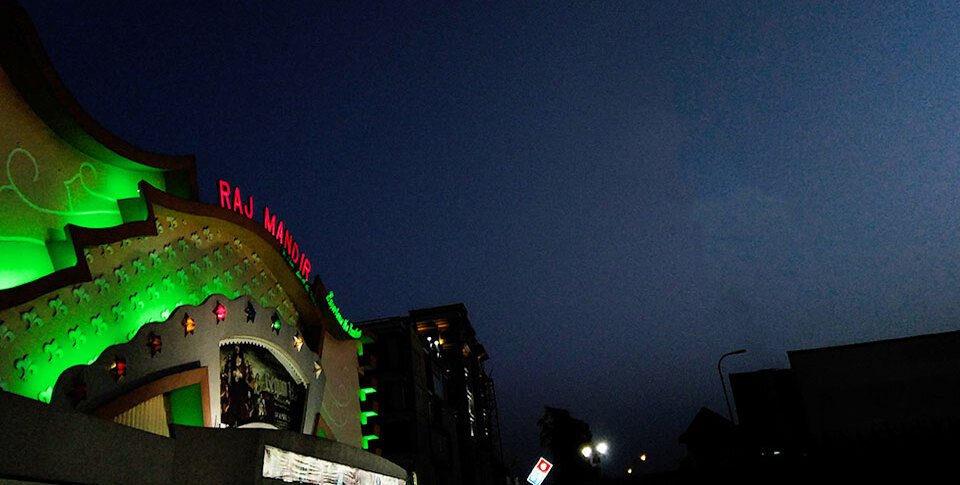
Above all, One of the most famous spots in Jaipur is the Raj Mandir Cinema. A single-screen experience, done up with a royal and luxurious architecture, the cinema holds a special place in the Pink City.

Sambhar Lake is one of the largest inland salt lake and lies just 70 kms from Jaipur. In short, It is an incredible landscape, almost resembling the Rann of Kutch, Gujarat.
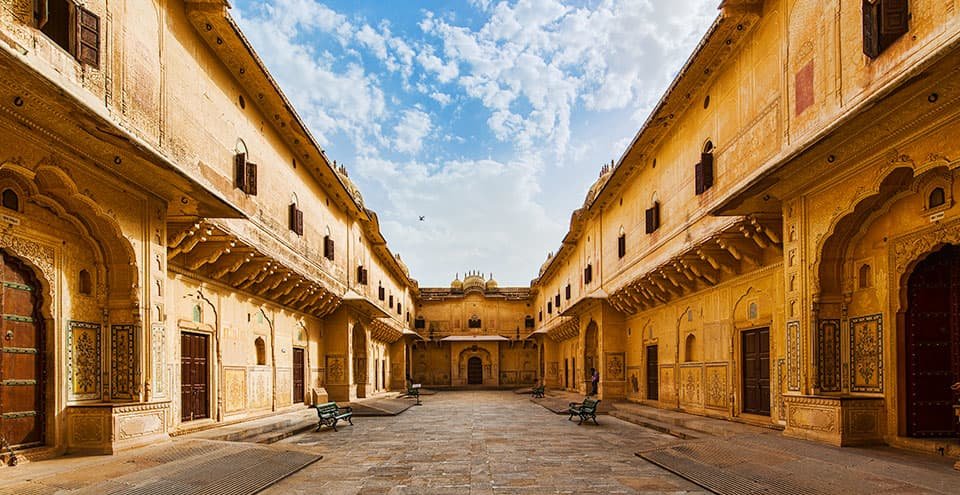
One of the most popular tourist destinations in Jaipur, the Madhvendra Palace was build by Sawai Ram Singh for his nine queens.
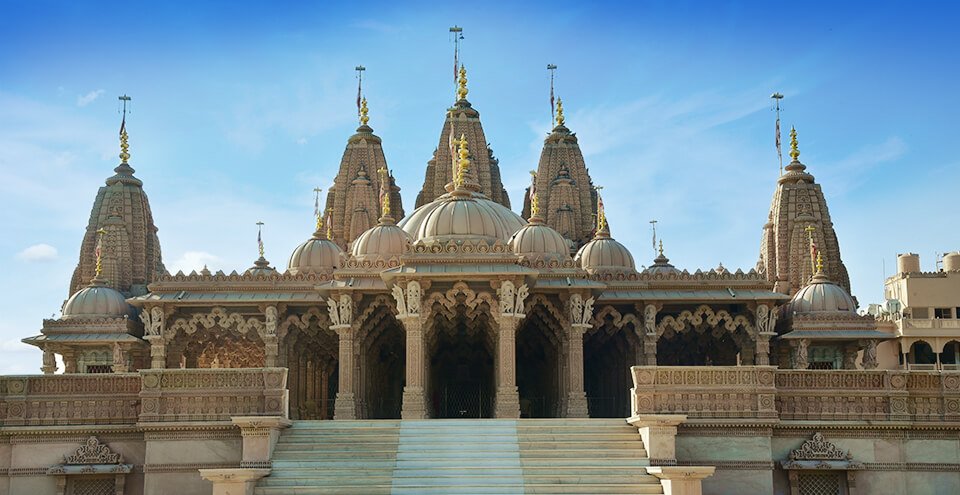
Certainly one of the most-visited temples in the city of Jaipur, the Akshardham Temple depicts real architectural wonders.
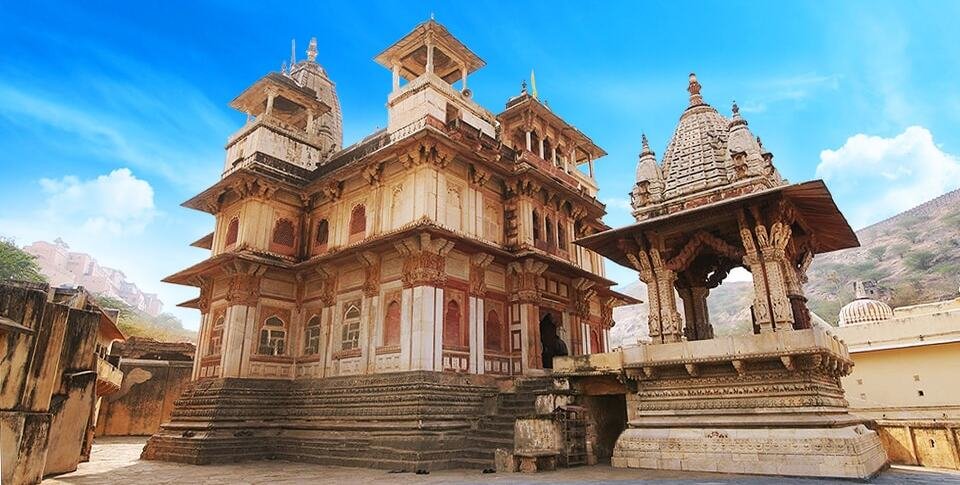
The Jagat Shiromani Temple is a Hindu temple in Amer, Jaipur. Possessing an extraordinary architecture which enchants with its greatness and beauty.
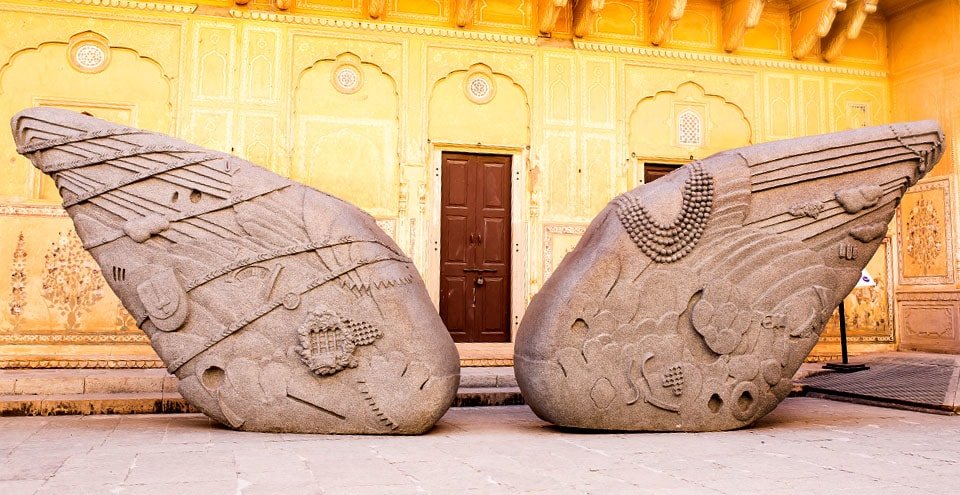
Perched on the edge of the Aravallis, the NahargarhFort, overlooking the city of Jaipur, has always been a popular tourist destination.
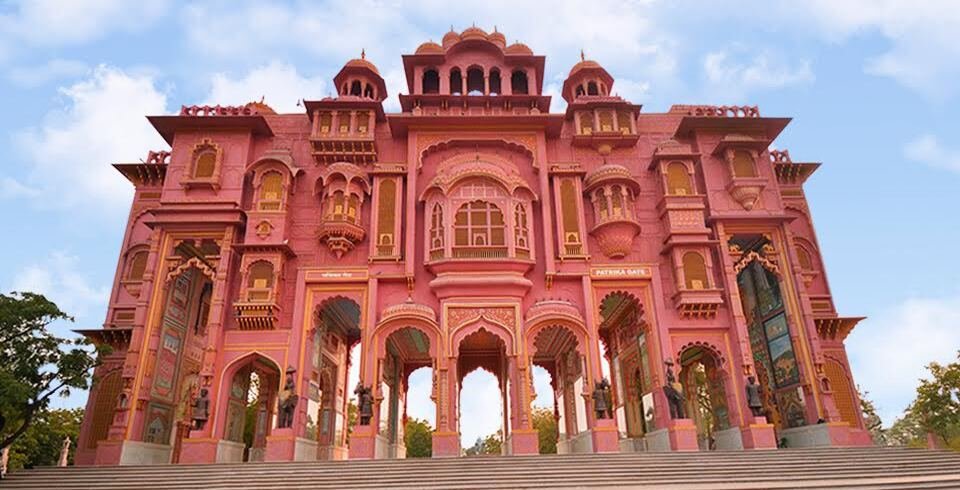
Located near the Jawaharlal Nehru Marg in the Pink City, Jaipur, the Jawahar Circle is a unique destination for all kinds of visitors.

The pristine beauty of vibrant and colourful precious stones always fascinates,and taking this fascination to the next level with beautiful displays of the best in jewellery and gems.
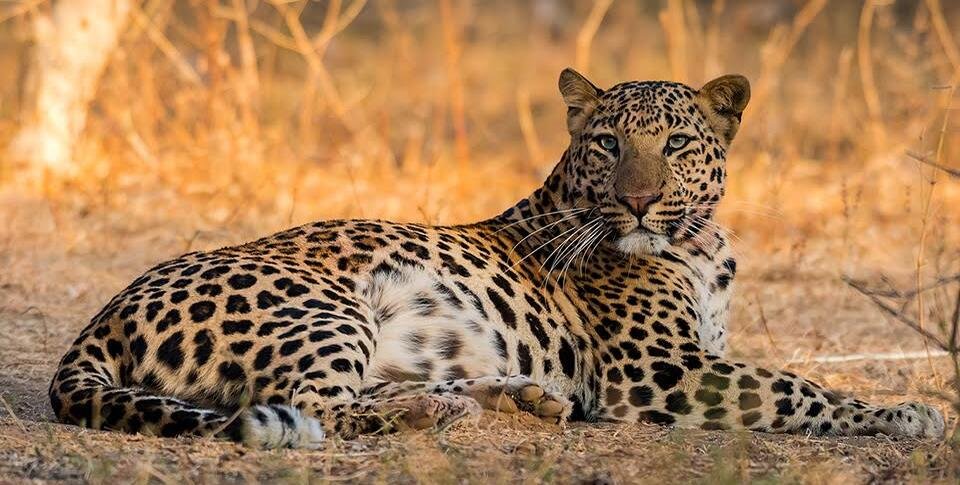
Jhalana Safari Park is an expansive and beautiful safari park in Jaipur that’s popular for its leopard sightings. Even though The forest block has an area of 1978 hectare and is situated on south eastern border of Jaipur city.

The nostalgia of the Kiran Café at Ram Niwas Bagh was hard to let go off. Meanwhile the place has become a rather popular hangout spot among visitors to the city.
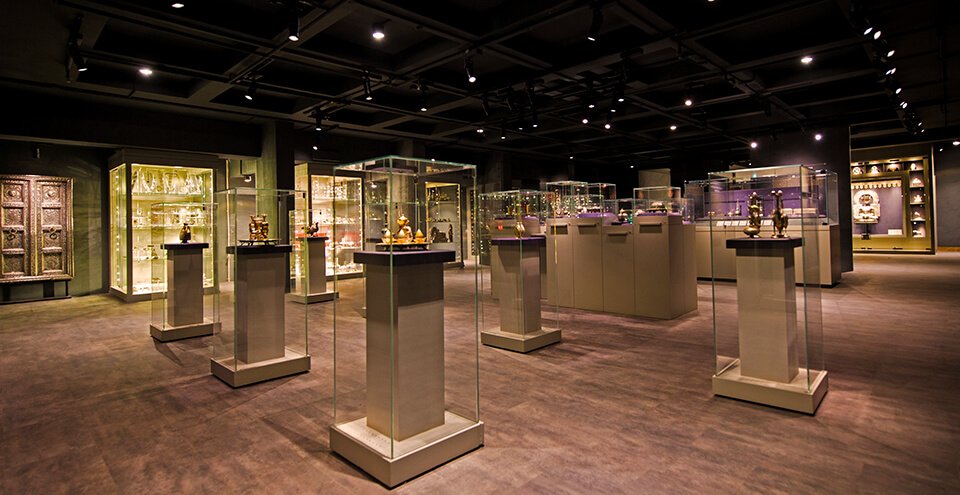
Amrapali Museum is an initiative by the founders of Amrapali Jewels Pvt. Ltd. The museum has Indian jewellery and jewelled objects, located in the city of Jaipur.
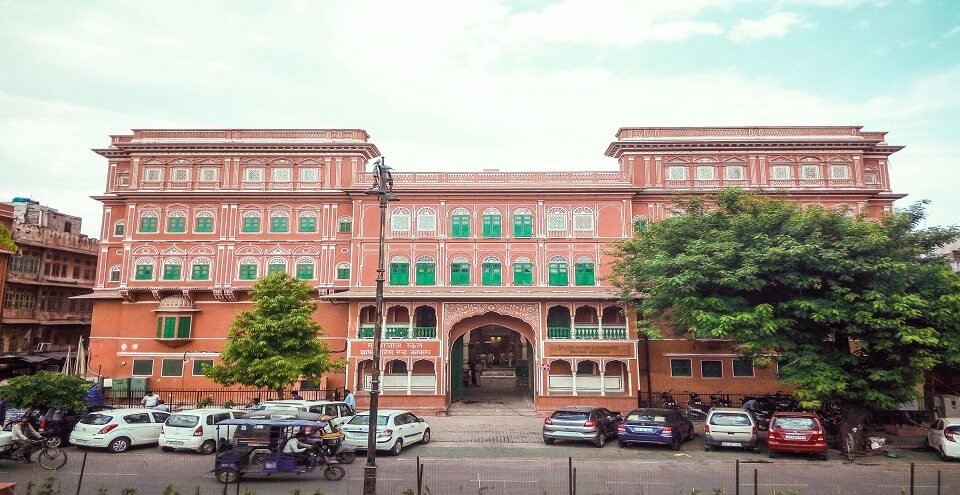
Housed in a nearly 200-year old building in the historic Kishanpole Bazaar of Jaipur's Pink City area, Museum of Legacies opened on 9 December, 2017.

Above all the inauguration of the Digital Museum at the Rajasthan Legislative Assembly complex took place on July 16, 2022, graced by the presence of the esteemed former Chief Justice of India, the Honorable Mr. N.V.