The Udai Bilas Palace has been named after MaharawalUdai Singh II. Its striking design follows classic Rajput architectural style and boasts of detailed designs in its balconies, arches and windows.

Juna Mahal (Old Palace) is a 13th century, seven-storeyed edifice. It is built on a high platform constructed from Pareva stone and its rugged exterior gives it a resemblance of a citadel.

The lake is famous for the shrine of Shrinathji that rests on its banks. The shrine complex contains numerous exquisitely carved temples and one core temple, the Vijay Rajrajeshwar Temple.

This museum was established with the objective of displaying sculptures collected by the Department of Archaeology and Museums, Government of Rajasthan, mainly from the Vagad region.

The Badal Mahal, built using Pareva stone, is another splendid palace of Dungarpur. Located on the banks of GaibSagar Lake.
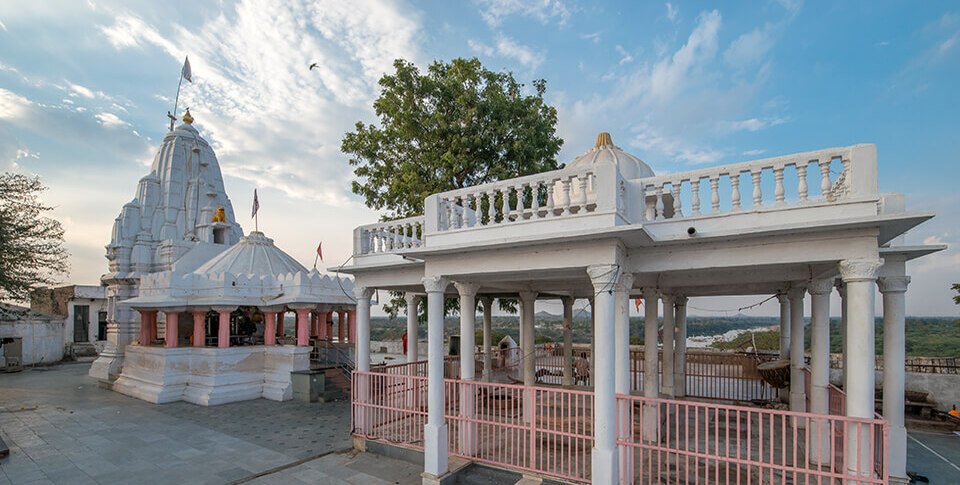
The Beneshwar temple, containing the most revered Shiva Linga of the region, is situated on a delta. formed at the confluence of Som and Mahi rivers. The Linga is believed to be Swayambhu or self created.
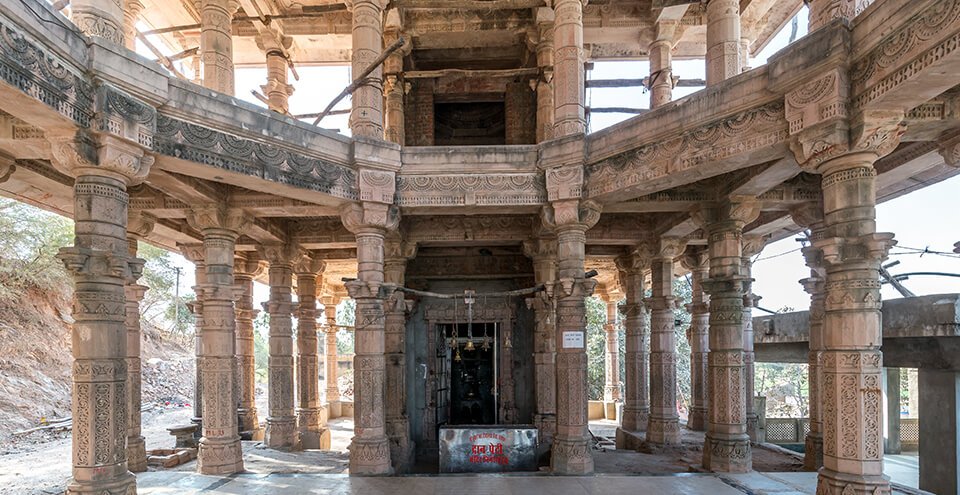
Located barely 9 kilometres from Dungarpur is Bhuvaneshwar, famous for a Shiva temple which is perched on a mountain top. The temple is built around a naturally formed Shivaling.
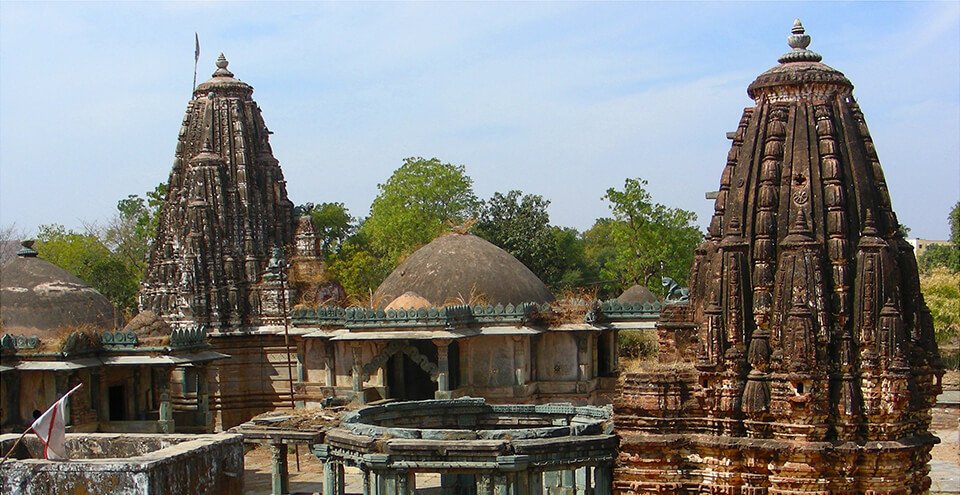
This ancient shrine is located on the banks of the Gangdi River about 3 kilometres from Dungarpur. The area around the temple also houses other attractions such as Bhulbhulaiya, Madhavrai Temple, Hathiyon Ki Agad..

The Vijay Rajrajeshwer Temple is located along the banks of the GaibSagar Lake. The temple, dedicated to Lord Shiva and his consort, Goddess Parvati, displays the fine architecture of its times.
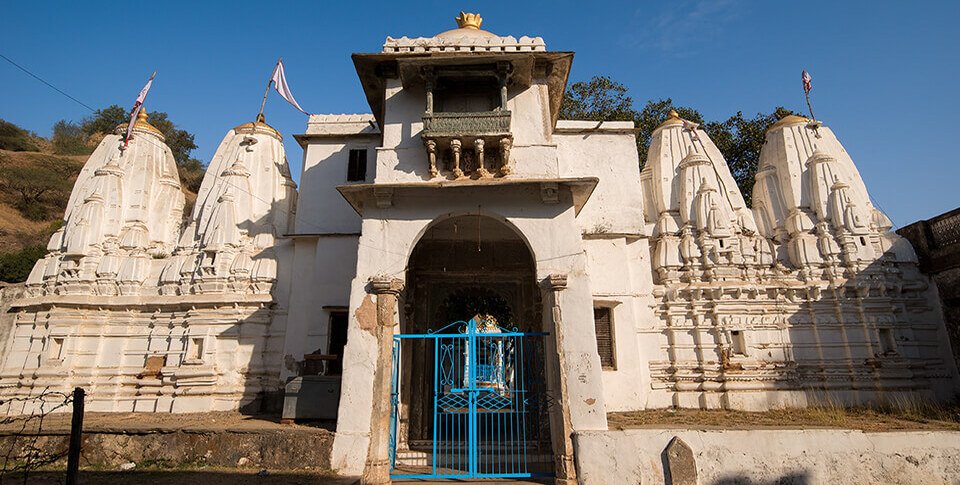
MaharawalPunjraj built this temple in the year 1623. The idols of Shri Radhikaji and GoverdhanNathji are the main attractions.
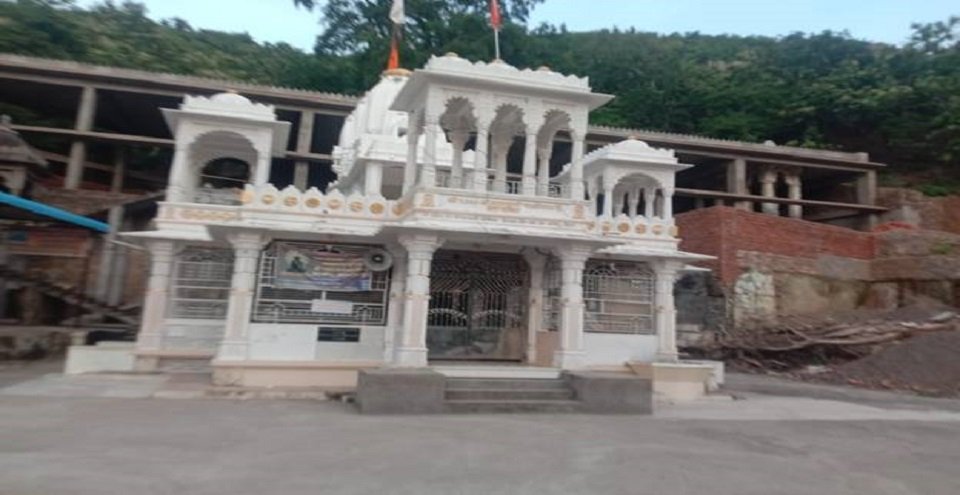
Nagfanji is renowned for its Jain shrines and not only does it attract devotees from Dungarpur but also tourists who travel from far to see the temple.

At a distance of 58 kilometres from Dungarpur, located on the banks of River Mahi, is a hamlet called Galiakot. The place is known for Syed Fakhruddin’s shrine.

On the banks of Som river, there is an old and beautiful Shiva temple called Deo Somnath built in the 12th century. Built of white stone, the temple has imposing turrets.

The temple Boreshwar Mahadeo was built during the reign of Maharawal Samant Singh sometime in 1179 A.D. It is situated on the banks of the Som river.
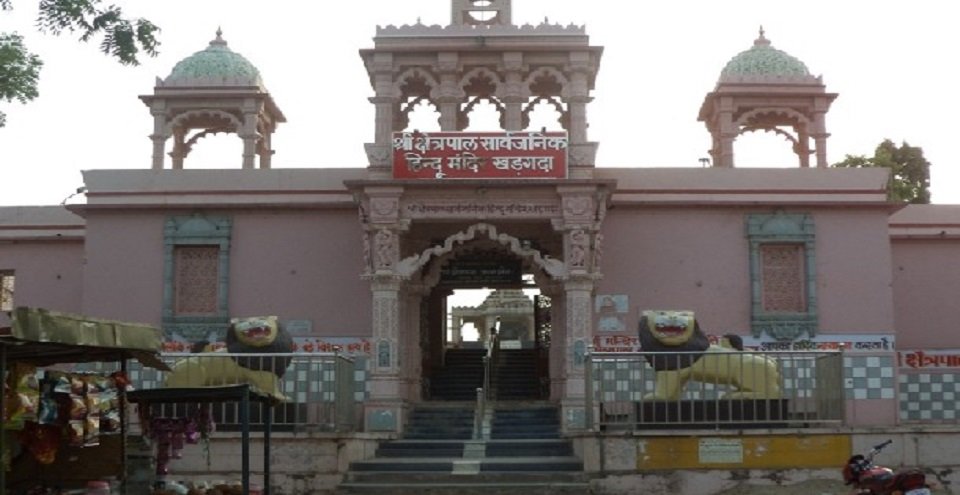
Situated in Khadagada, historical background of the temple is 200 years past. the temple has its known popularity from the name of goddess Bhairav the manuscript of the temple.
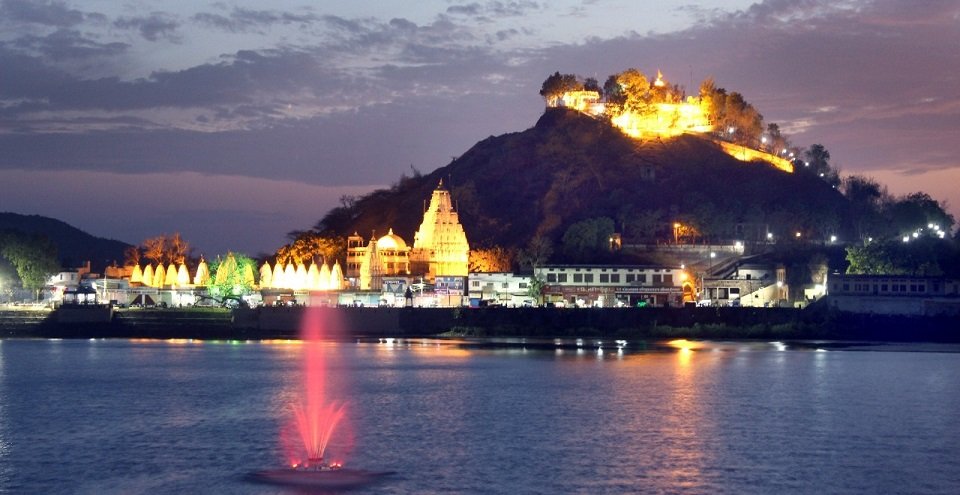
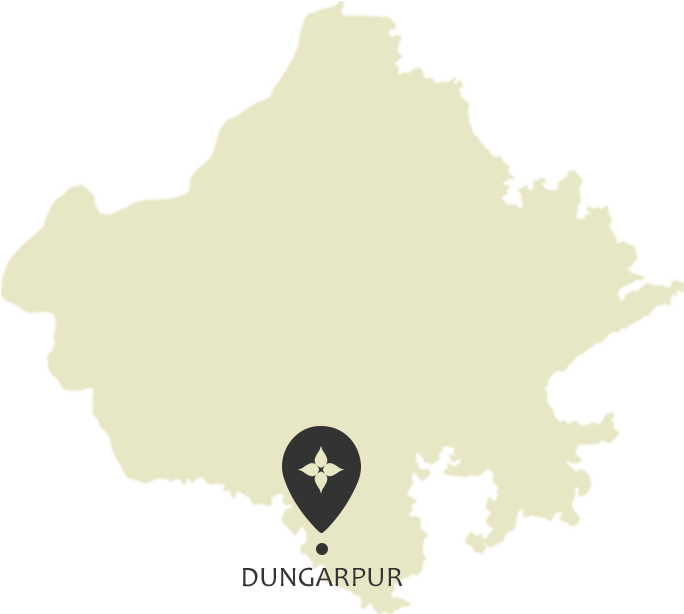
It is a view point from where one can enjoy the beautiful scenic beauty of the town.Fateh Garhi is a prominent hilltop landmark in Dungarpur, Rajasthan.
 At 120 kilometres, Udaipur is the nearest airport followed by Ahmedabad at 175 kilometres.
 National Highway No. 8, which runs between Delhi and Mumbai and the State Highway (Sirohi – Ratlam highway) passes through the district.
 The railway station is 3 kilometres from the city. An important train connection is Himatnagar-Dungarpur-Udaipur.