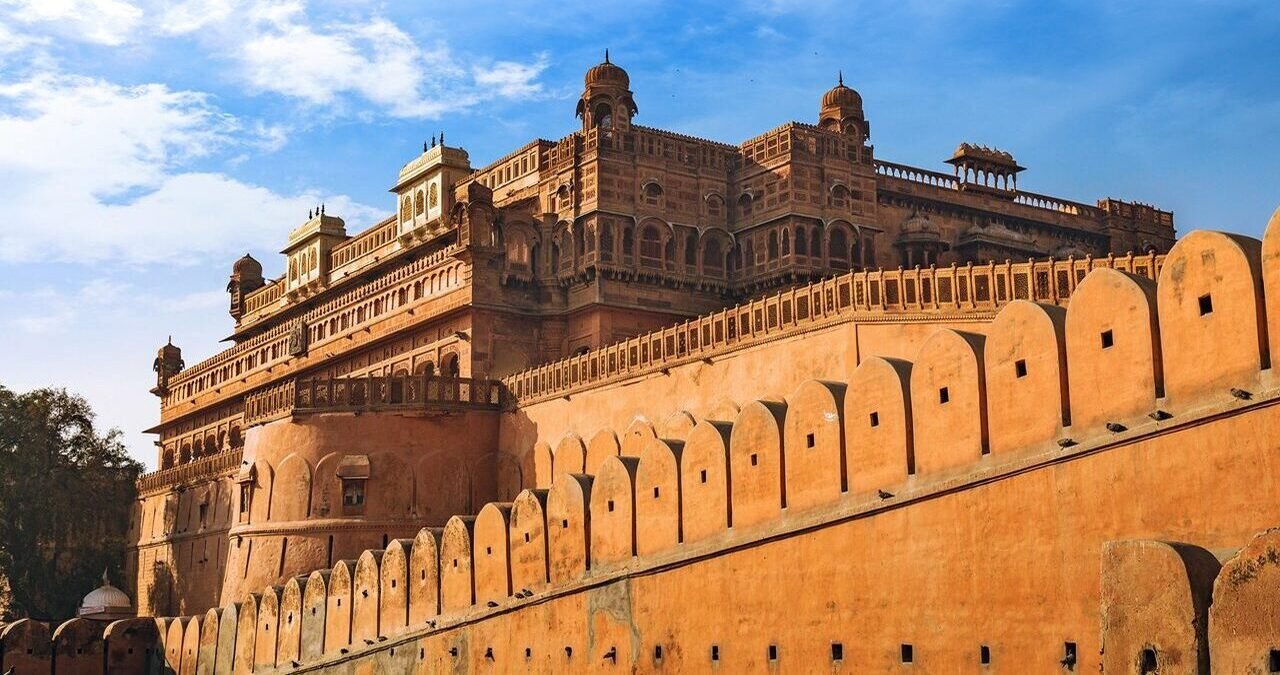
Junagarh is an impregnable bastion that holds the distinction of having never been captured. It was constructed in 1588 AD by Raja Rai Singh, one of Emperor Akbar’s most distinguished generals.
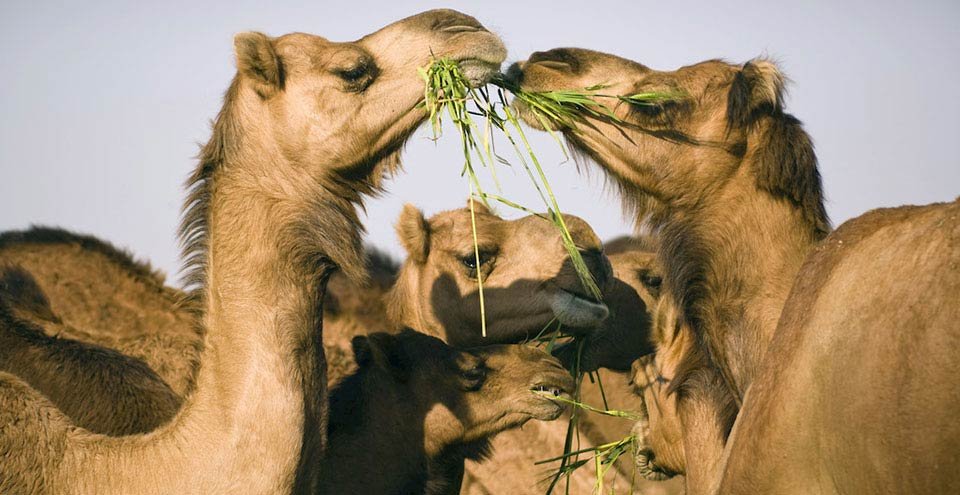
The National Research Centre on Camel is 8 kilometres from the city. This camel research and breeding centre is the only one of its kind in Asia.
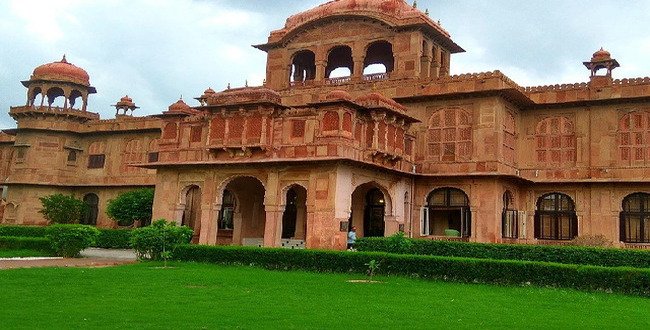
Maharaja Ganga Singh commissioned the construction of this majestic palace. This architectural marvel is made entirely of red sandstone and was built in 1902 to commemorate his father, Maharaja Lal Singh.
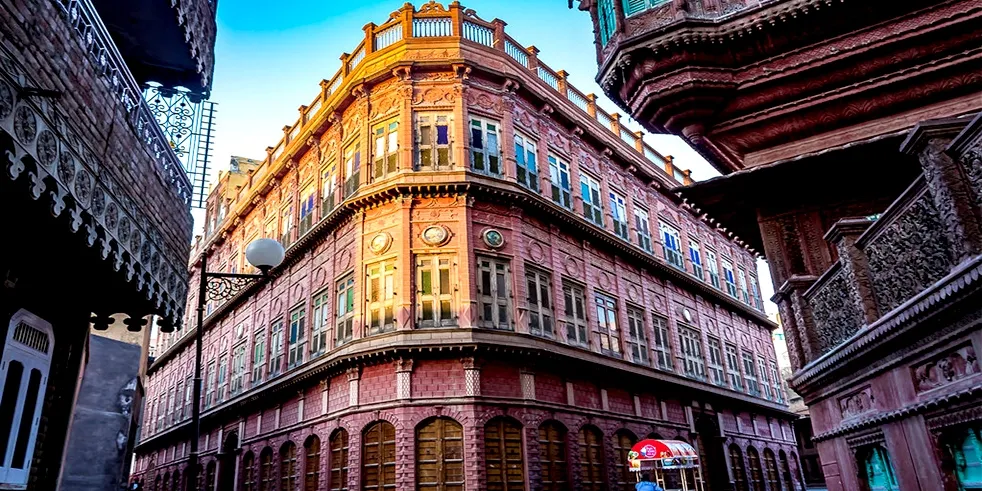
Bikaner has several havelis (aristocratic homes), the most famous cluster being the Rampuria Group of Havelis. Built of dulmera (red) stone.
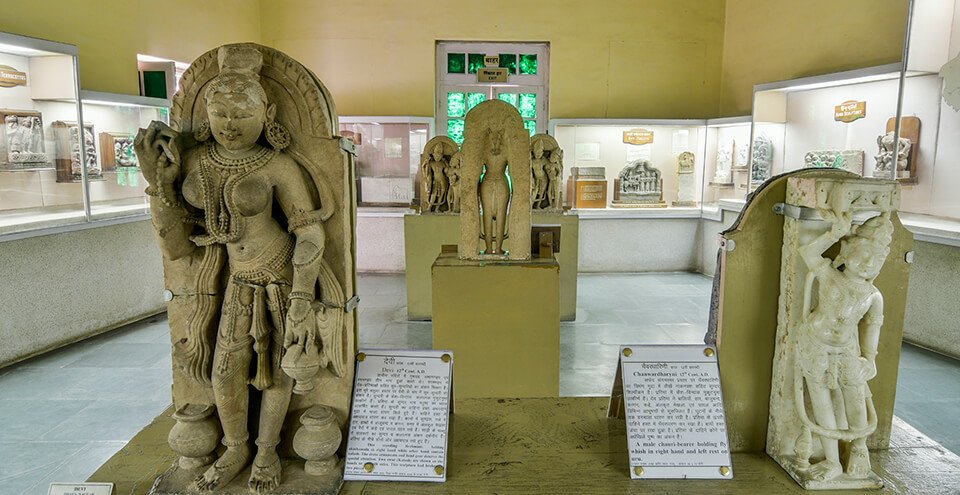
Described as the best museum in the State, the museum contains a rich display of archaeological artefacts from Harappa and the early Gupta periods.

Laxmi Niwas Palace was the residence of the king of Bikaner, Maharaja Ganga Singh. Built between 1898 and 1902 by British architect Sir Samuel Swinton Jacob.

Located in the great Junagarh Fort, this museum hosts royal costumes, textiles and accessories of Rajasthani royalty.
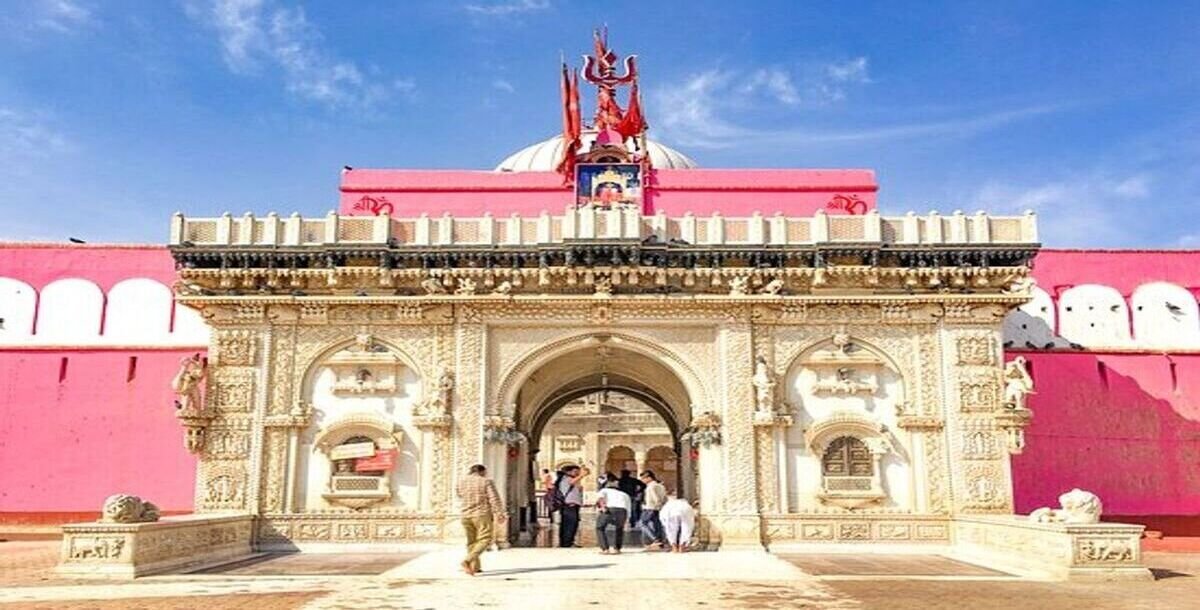
The Karni Mata Temple at Deshnok is a beautiful structure made of stone and marble, inside which resides an image of Karni Mata. The image is decorated with a ‘mukut’ (tiara) and garlands.
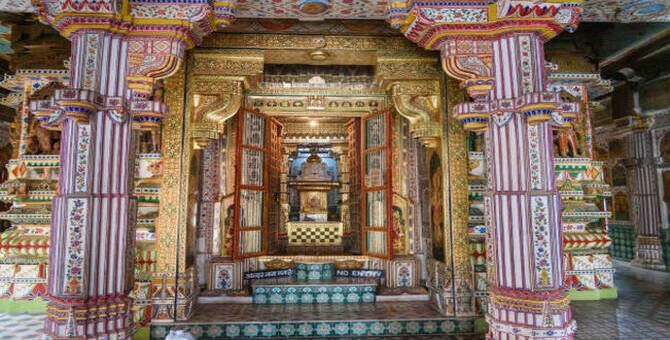
Jain Temple Bhandasar is a 15th century temple dedicated to the 5th Tirthankar Sumatinathji, and is one of the oldest monuments of Bikaner.
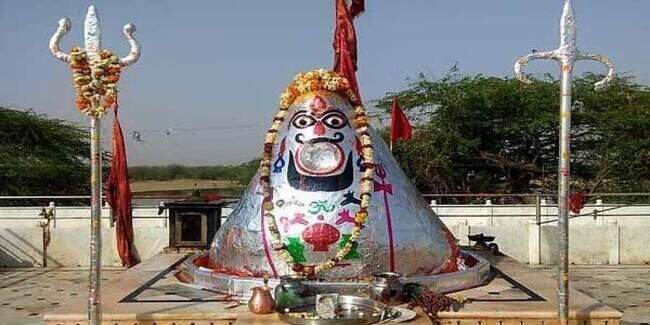
24 kilometres from Bikaner is the Kodamdesar Temple. Kodamdesar Bhainru Ji was installed by Rao Bikaji sometime during the first three years of his arrival from Jodhpur.

The rulers of Bikaner regarded Lord Laxminathji (Lord Vishnu) as the real king of Bikaner and themselves as his Deewans or Ministers.
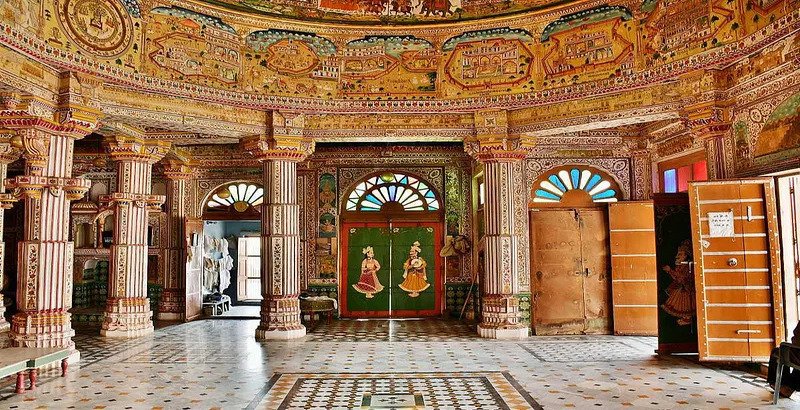
Located just 6 kilometres from Bikaner, this Shiva temple is known as Laleshwar Mahadev Mandir and is fortified by a high wall.
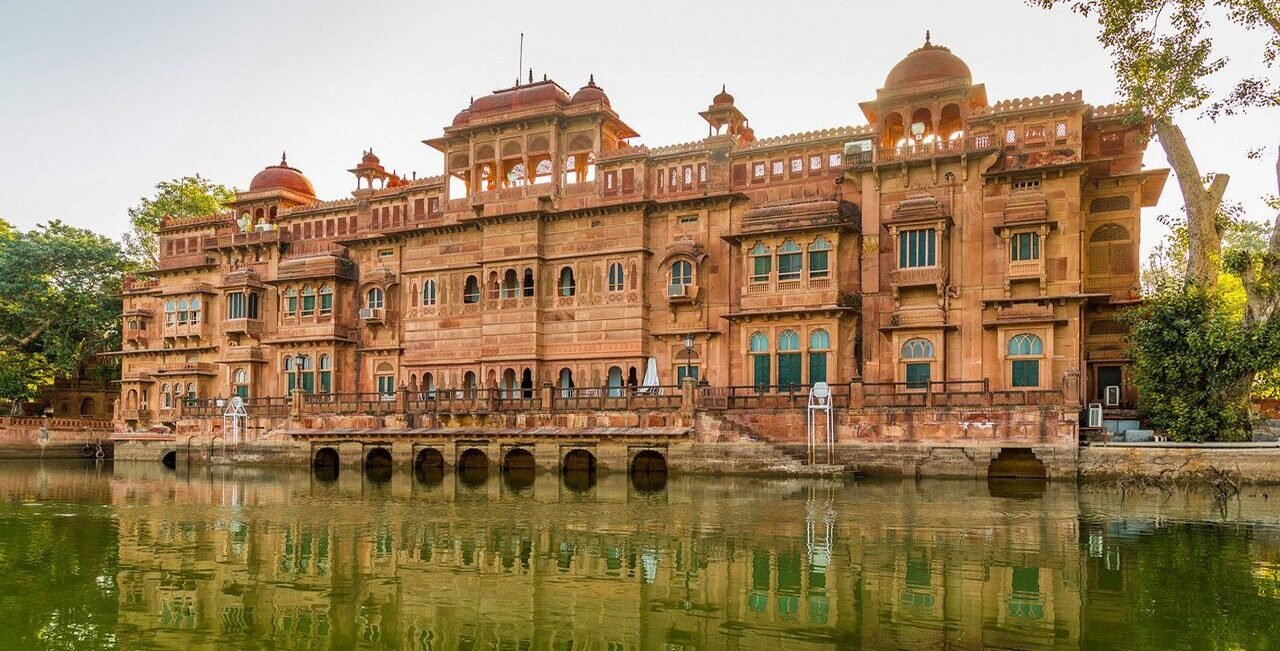
Gajner is an incomparable jewel of the Thar. The Gajner Palace was founded by Maharaja Gaj Singh ji of Bikaner in the year 1784, and then completed by the great Maharaja Ganga Singh of Bikaner.

Barely 32 kilometres from Bikaner, on the Jaisalmer road, is a lush green forest which is a haven to the nilgai, chinkara, black buck, wild boar, flocks of imperial sand grouse and many other species of migratory birds.

Visitors to the archives are mostly researchers and academicians who come here to study the ancient administrative records that are preserved here.
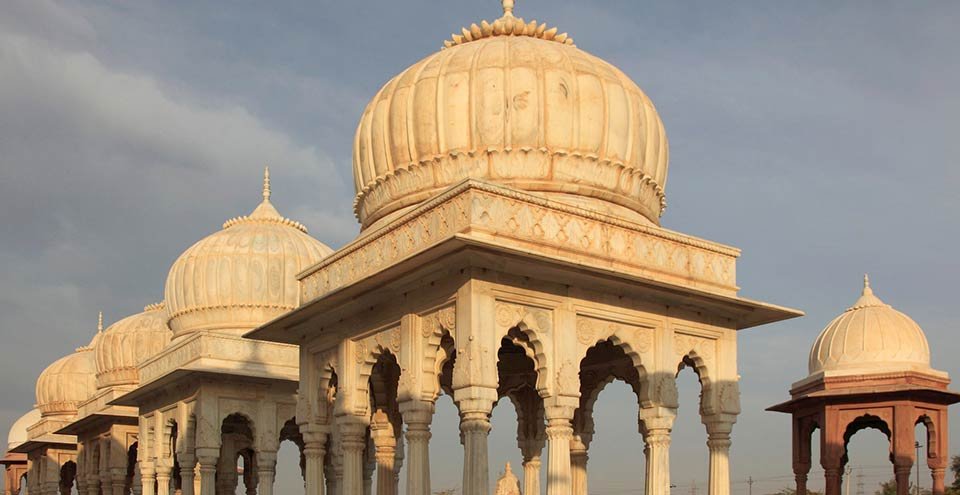
8 kilometres from Bikaner is the royal crematorium. It has several exquisite chhatris (cenotaphs), each dedicated to the memory of a ruler of the Bikaji dynasty and situated on the exact spot where each of them was cremated.
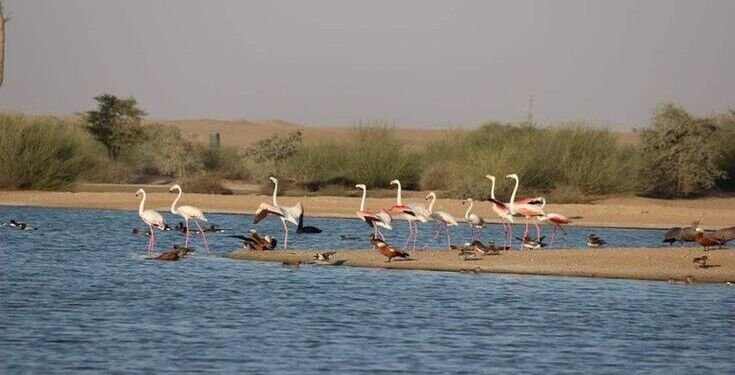
Kolayat is an important pilgrimage place for Hindus. Locals as well as devotees from distant places visit this temple complex every year.
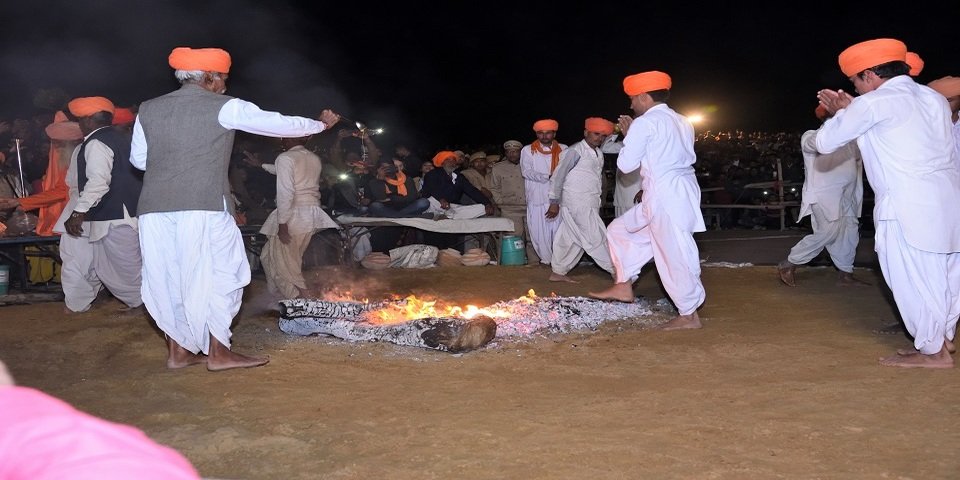
45 kilometres from Bikaner on the Jaipur Road is a village rich in ethnic, rural and cultural life. In Katariasar, one can walk on sand dunes and view the sunset against the desert landscape.

Bikaner in Rajasthan is one of the best places for birders if they want to spot some vultures. But, drive for about 12 km from the city, and you reach Jorbeed.
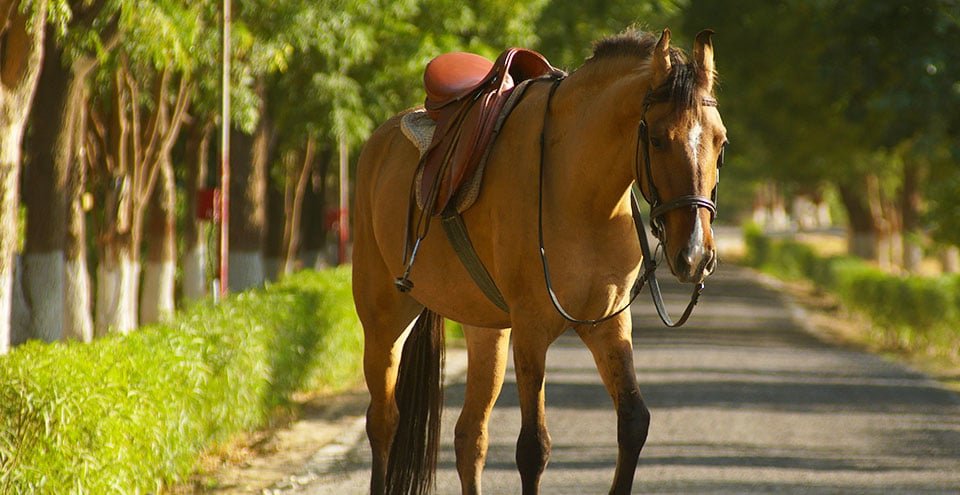
The National Research Centre on equines, Bikaner Campus has recently taken an initiative to conserve and propagate equines through ecotourism.
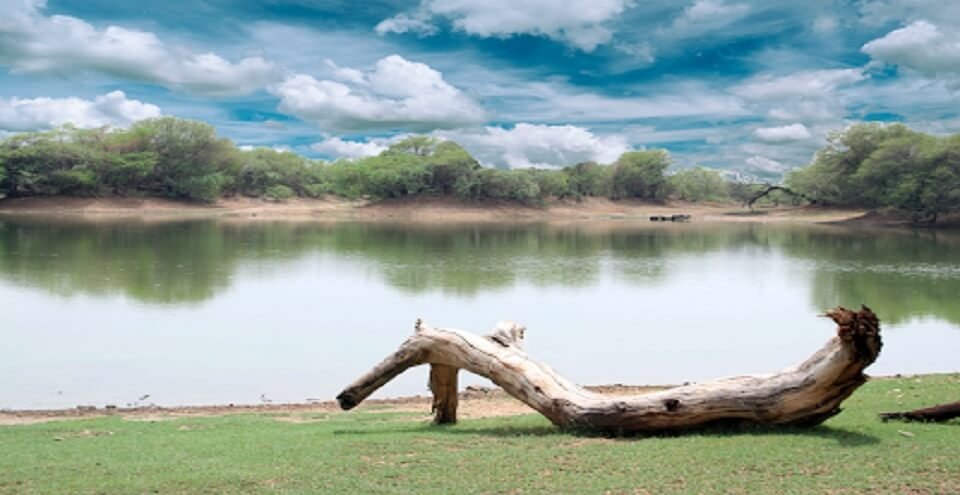
This lake is situated on Bikaner Jaisalmer Highway 33 KM far away from Bikaner city. This lake has the reputation of most popular picnic spot during the monsoon.
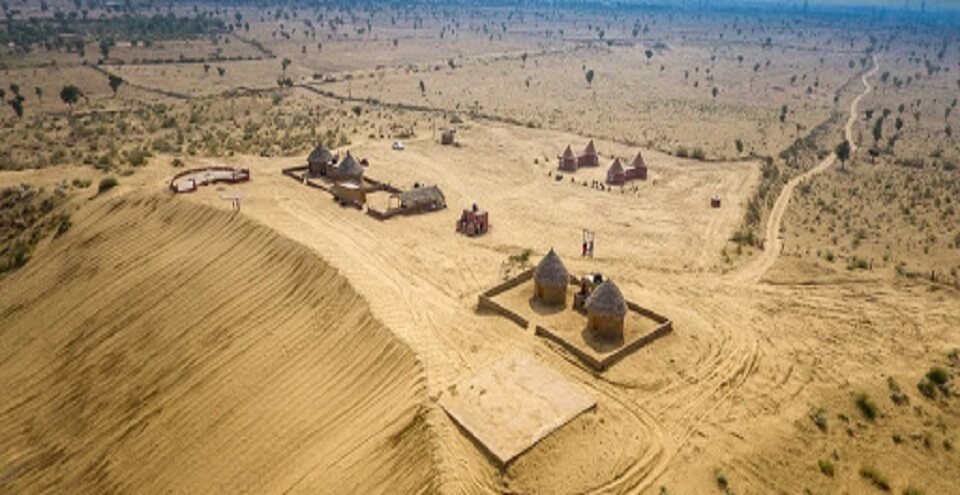
The site is situated on Bikaner Jaipur highway 18 Km far away from Bikaner city at Raisar village. This site has been emerged as an prominent camping & safari site.
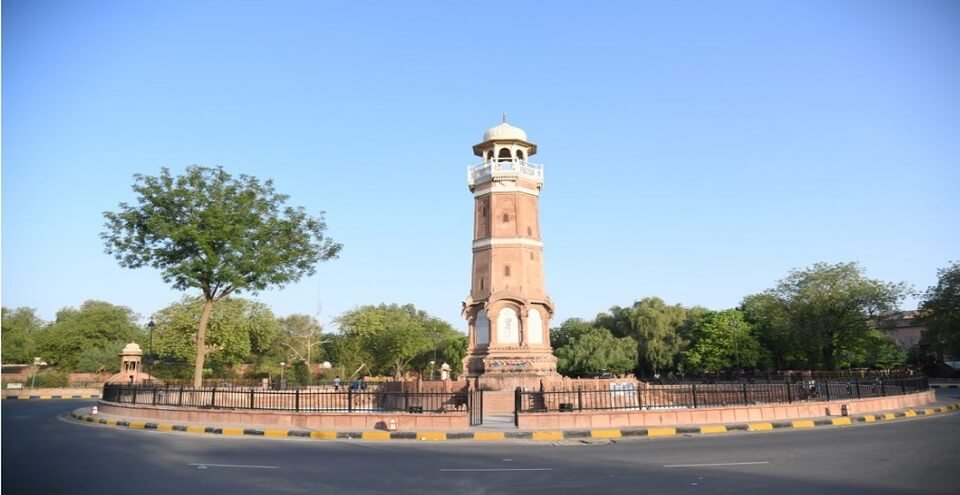
This garden was constructed specially on the occasion of Maharaja Ganga Singh Ji in year 1937 and this garden is replica of Bukingham palace Garden, in the city of Westminster.
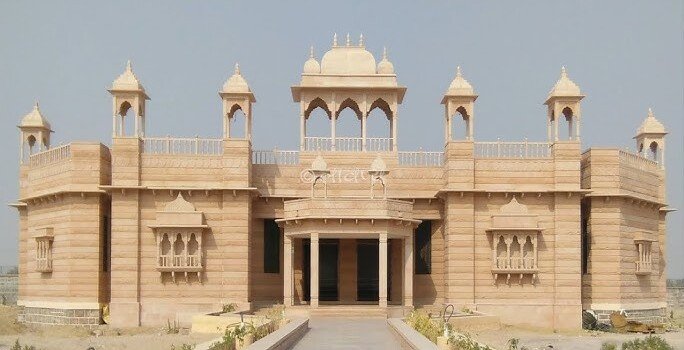
Situated near the “Nehdi Ji” (old Karni Mata temple) Karni Mata Panorama is a perfect place to know the heroic personality and Charismatic deeds of Karni Mata ji.
 Nearest Airport NAAL 10 KM from Bikaner direct connectivity from Delhi as well as Jaipur.
 The bus stand is north of the city centre. There are frequent express buses to Agra, Ahmedabad, Ajmer, Barmer, Delhi, Jaipur, Jaisalmer, Jhunjhunu, Jodhpur, Kota and Udaipur.
 Bikaner has railway connections to several destinations in India including Jaipur, Jaisalmer, Churu, Jodhpur, Delhi, Mumbai, Kolkata, Guwahati etc.