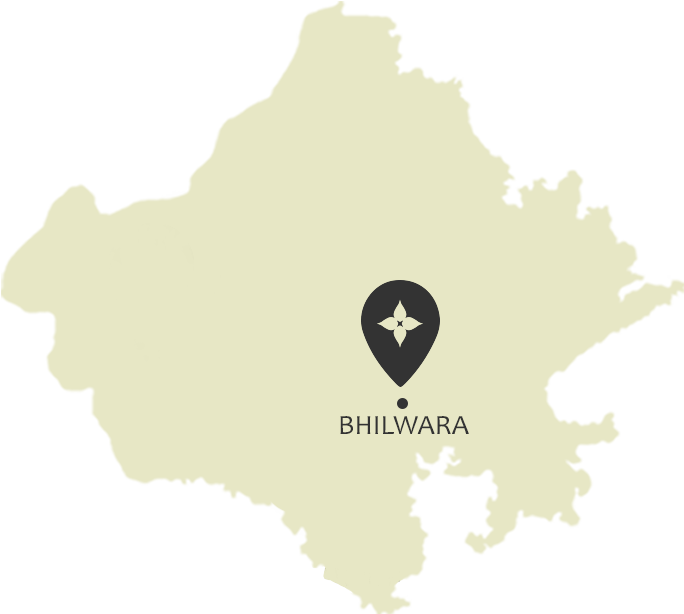
Bhilwara, often referred to as the “Textile City of India”, is a prominent city located in the south-central part of Rajasthan. It lies approximately 30 miles (48 km) north of Chittaurgarh and serves as a significant hub for commerce, culture, and industry in the region.
Economy & Industry
Bhilwara’s economy is predominantly driven by its robust textile industry. The city is home to over 14,000 small-scale industries, with the textile sector alone employing approximately 35,000 people. The annual revenue from textiles is estimated at ₹900 crore.
Key industries include:
Textile Manufacturing: Specializing in suiting fabrics and yarn production.
Handloom Weaving: Traditional methods contributing to the city’s rich textile heritage.
Metalware Production: Notably tinned utensils and other metal goods.
Culture & Art
Bhilwara boasts a vibrant cultural scene:
Phad Paintings: Traditional Rajasthani scroll paintings depicting epic narratives. Renowned artists like Shree Lal Joshi have been instrumental in preserving this art form.
Miniature Art: Artists such as Badri Lal Chitrakar have gained international acclaim for their intricate miniature paintings.
Festivals: The Gangaur festival, dedicated to Goddess Parvati, is celebrated with great fervor in March and April.
Historical Significance
Historically, Bhilwara was part of the princely state of Udaipur and became integrated into Rajasthan in 1948. The region has archaeological significance, with Stone Age tools dating from 5,000 to 200,000 years found in the area.
Tourist Attractions
Bhilwara offers several attractions for visitors:
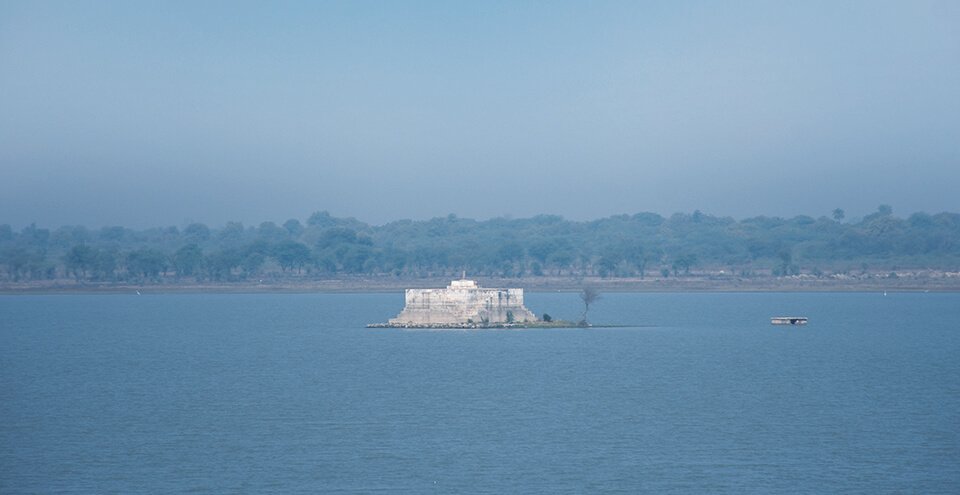
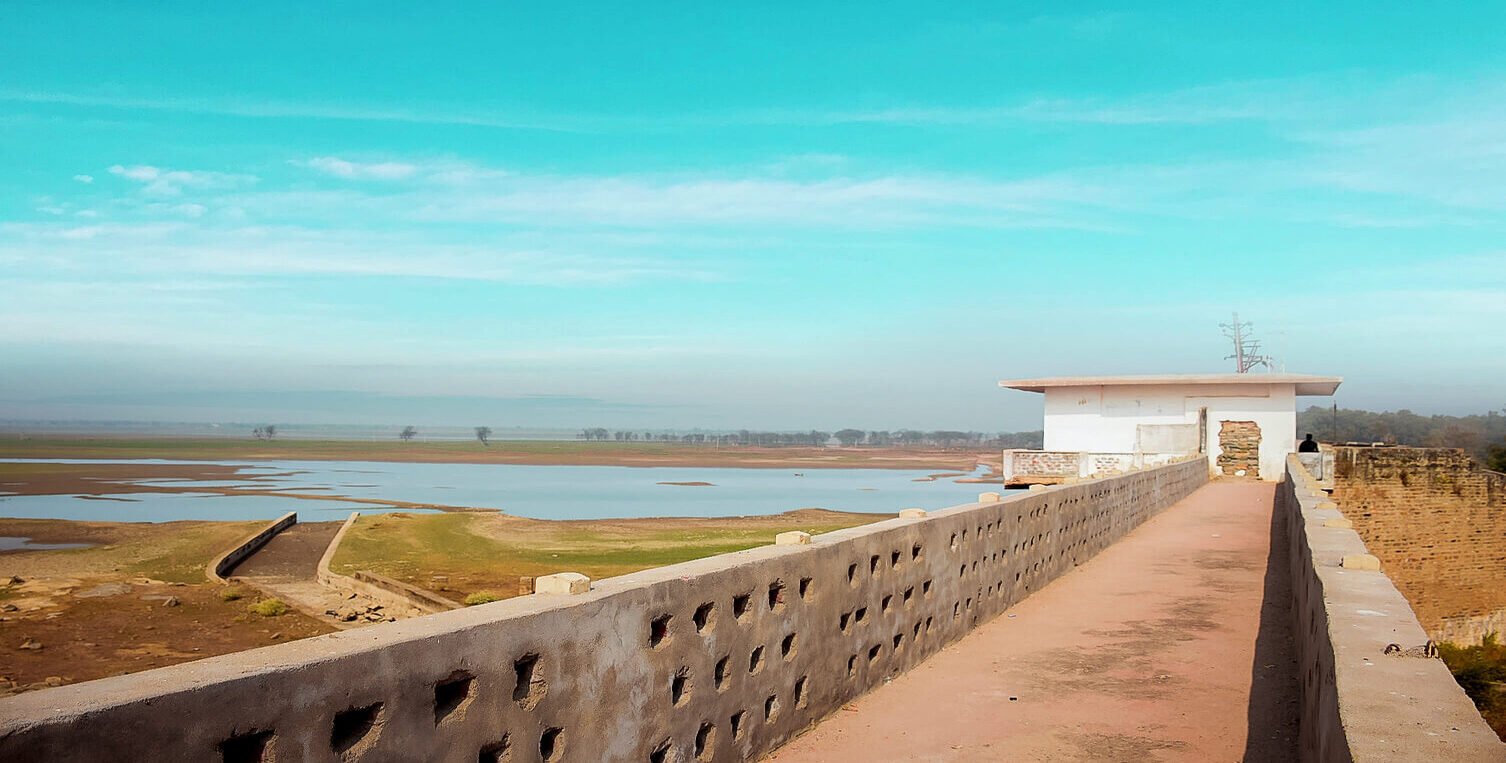
Meja Dam: One of the largest dams in the district, serving as a primary water source and featuring the scenic Green Mount Park.
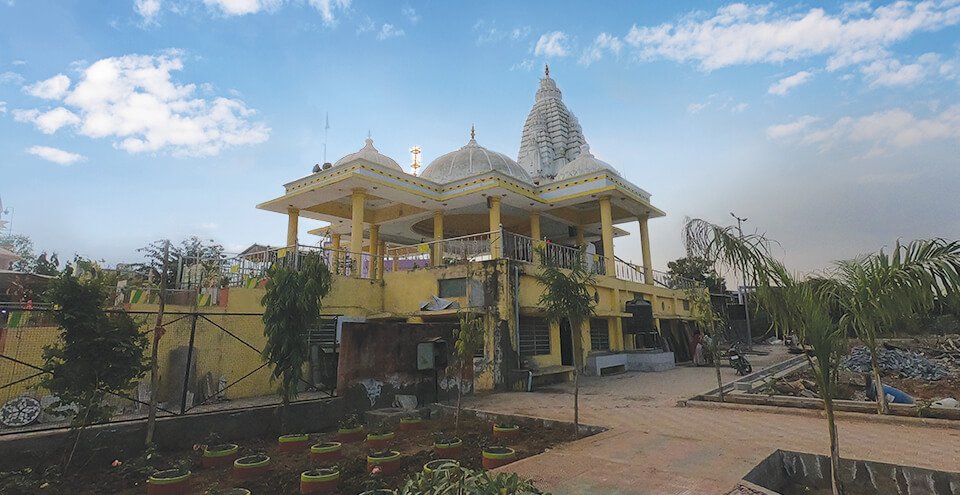
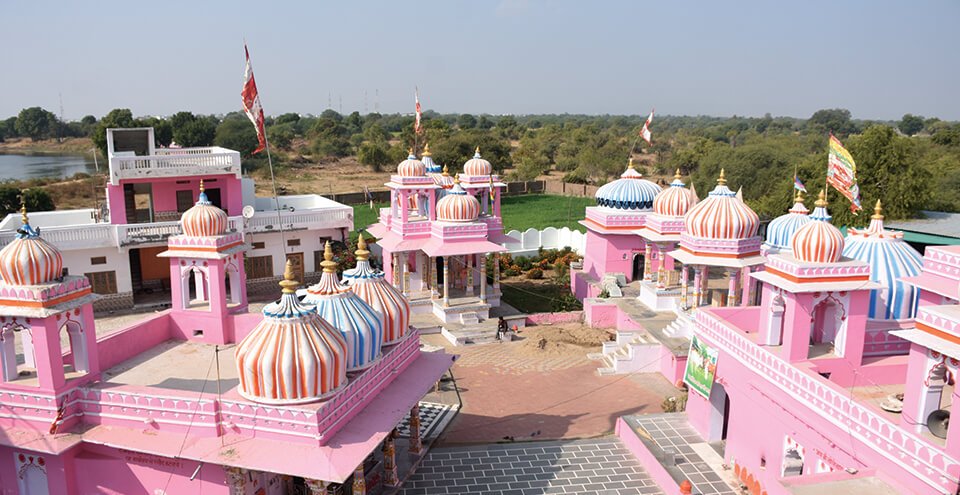
Harni Mahadev Temple: A revered temple situated atop a hill, offering panoramic views of the city.
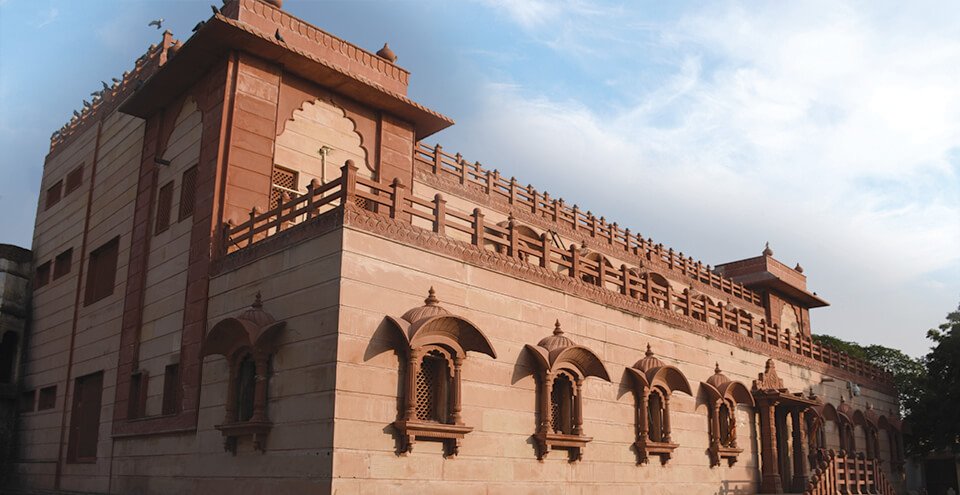
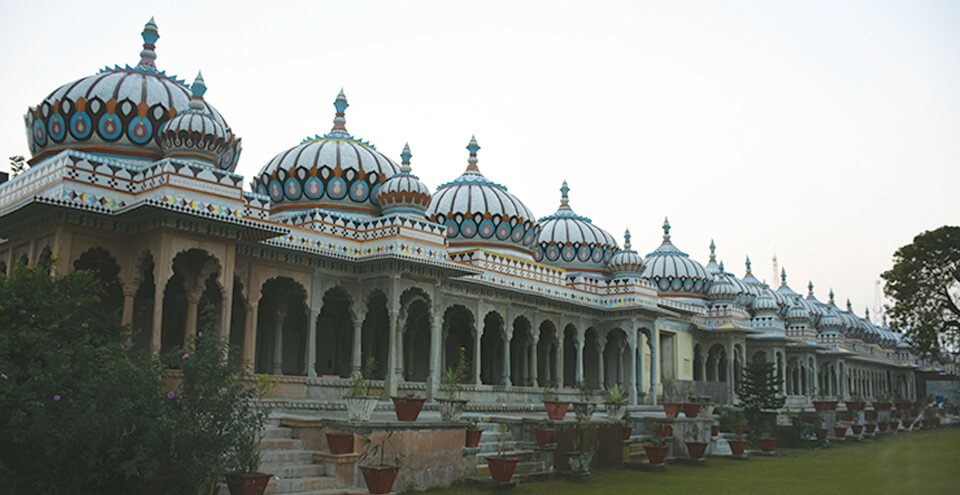
Pur Udan Chatri: An architectural marvel known for its intricate designs.
Kyara ke Balaji: A spiritual site featuring a natural rock formation resembling Lord Hanuman.
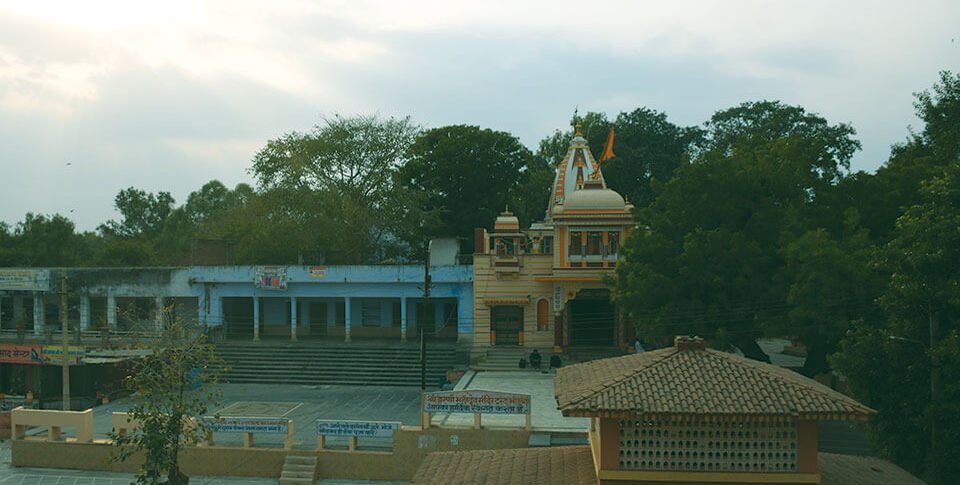
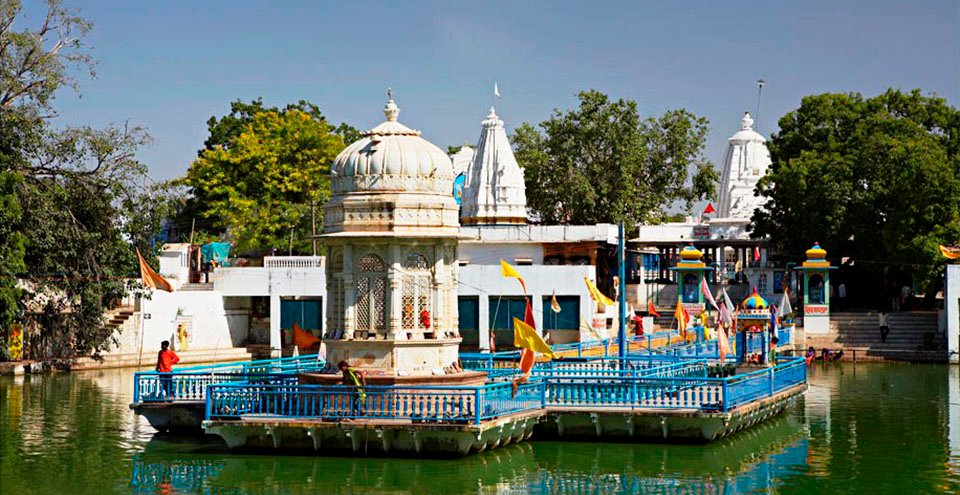
Joganiya Mata Temple: A significant pilgrimage site attracting devotees from various regions.
Sukhadia Stadium: A multipurpose stadium with a capacity of 16,000, hosting various sports events.
Education
Bhilwara is home to several educational institutions:
Manikya Lal Verma Textile and Engineering College: An autonomous engineering institute specializing in textile engineering.
Sangam University: A private university offering diverse academic programs.
Rajmata Vijaya Raje Scindia Medical College: Providing medical education and healthcare services.
The city also hosts numerous coaching centers preparing students for competitive exams like IIT-JEE, NEET, and CA/CS/CMA.
Connectivity
Bhilwara is well-connected by rail and road:
Rail: Bhilwara railway station lies on the Jaipur–Ratlam line, connecting to major cities like Jaipur, Udaipur, Delhi, and Mumbai.
Road: The city is accessible via national and state highways, facilitating travel to neighboring regions.
Bhilwara seamlessly blends its rich cultural heritage with industrial prowess, making it a unique destination in Rajasthan. Whether you’re interested in exploring traditional arts, delving into history, or understanding the dynamics of India’s textile industry, Bhilwara offers a multifaceted experience.
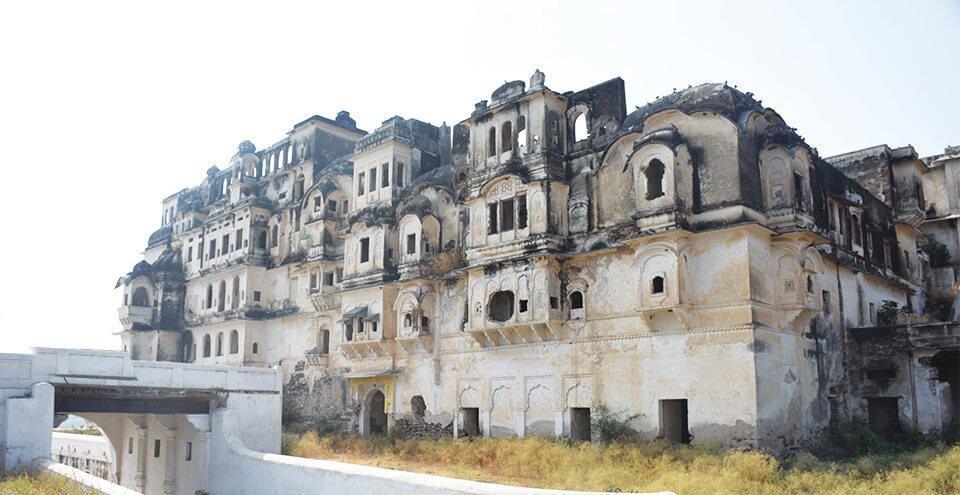

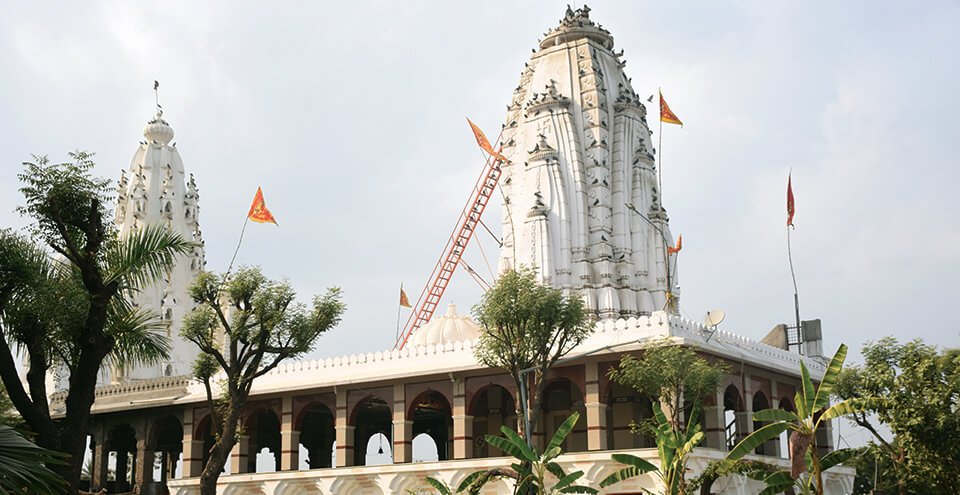
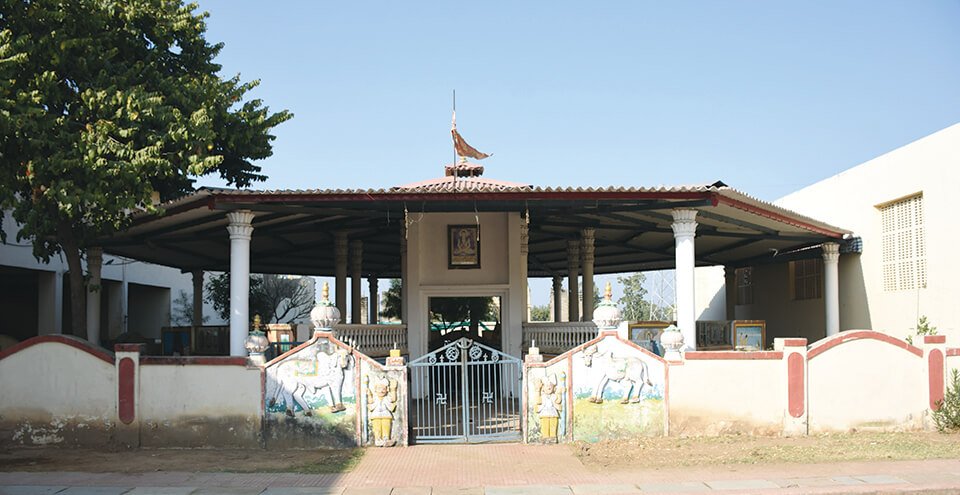



 The nearest airport is Udaipur Airport- 148 kms
 National Highway No. 79 and National Highway No. 76 pass through Bhilwara.
 Bhilwara is well connected to Ajmer, Jodhpur, Jaipur, Kota, Indore Junction, Ujjain and Delhi by rail.