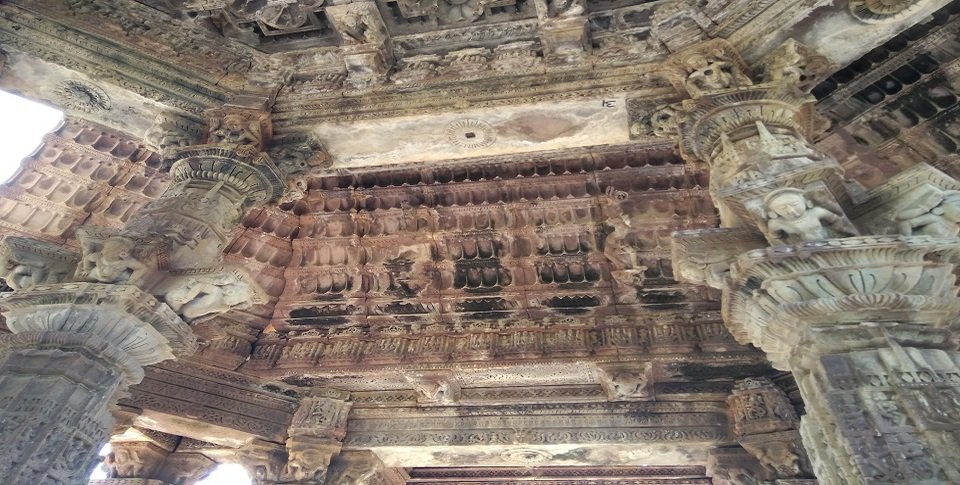
Situated about 40 km away from Baran city, the Ramgarh Bhand Devra temple devoted to Lord Shiva is said to date back to as long as the 10th century.

One of the strongest forts in Hadoti, the Shahabad fort is situated about 80 km from Baran. Constructed by Mukatmani Dev, a Chauhan Rajput, this fort dates back to the 16th century.

Constructed during the reign of the Mughal Emperor Aurangzeb, the Shahi Jama Masjid of Shahabad is situated around 80 km from Baran. An architectural marvel that attracts a large number of tourists.
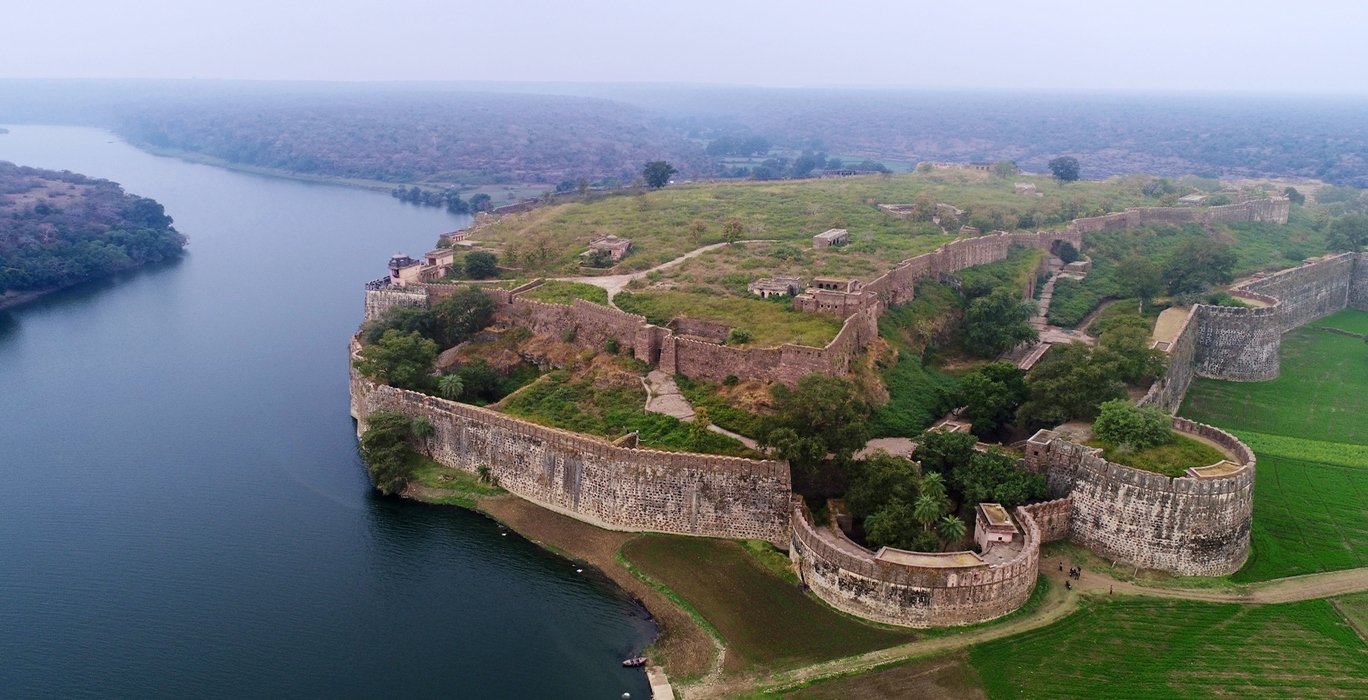
Located around 65 km from Baran district, the Shergarh fort is one of Baran’s most popular tourist attractions.
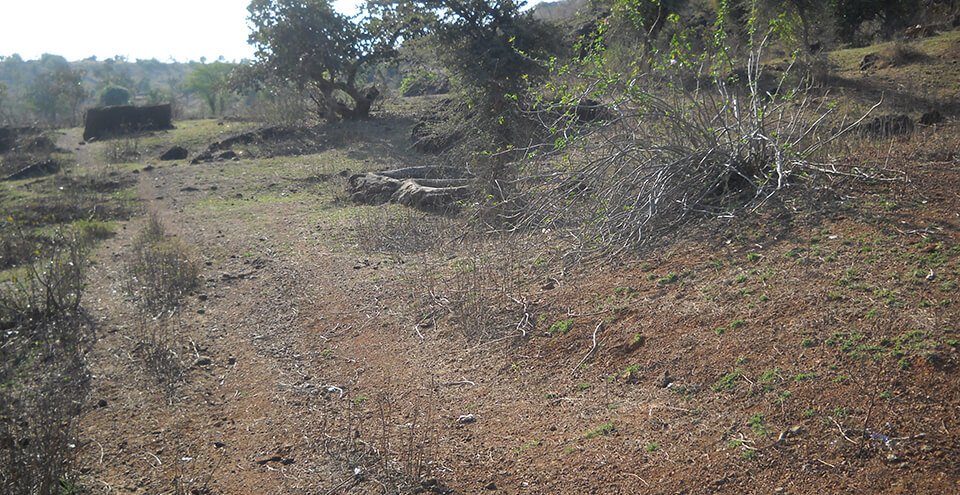
The perfect destination for nature lovers, Shergarh sanctuary is located in Shergarh village, about 65 km from Baran district.
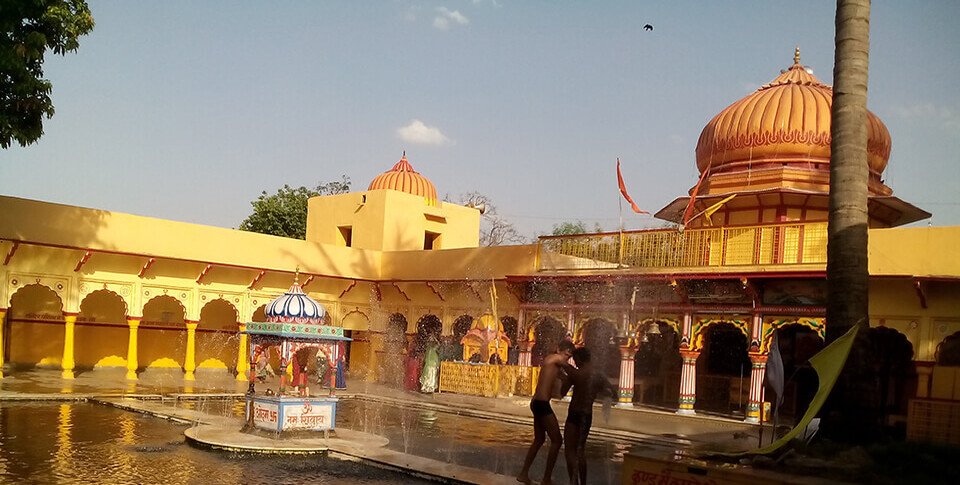
Located 45 km from Baran, Sitabari is a famous place of worship and also doubles up as a popular picnic spot.

A beautiful picnic spot in Shahabad near Baran, Tapasviyo ki Bagechi is often frequented by tourists and locals who are looking for peace and serenity.
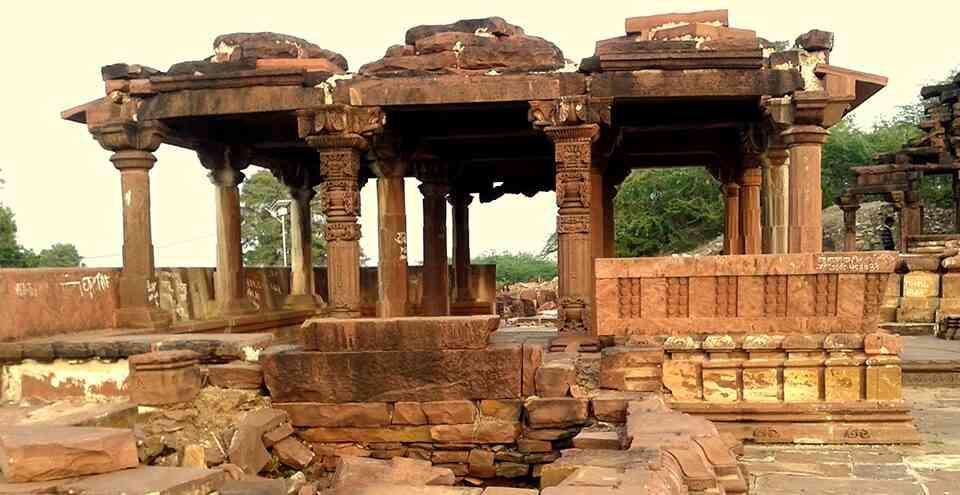
Located 85 km from Baran, Kakuni, situated on the banks for the Parvan River is best known for temples. The Kakuni Temple Complex houses temples dedicated to Jain and Vaishnava gods and Lord Shiva.
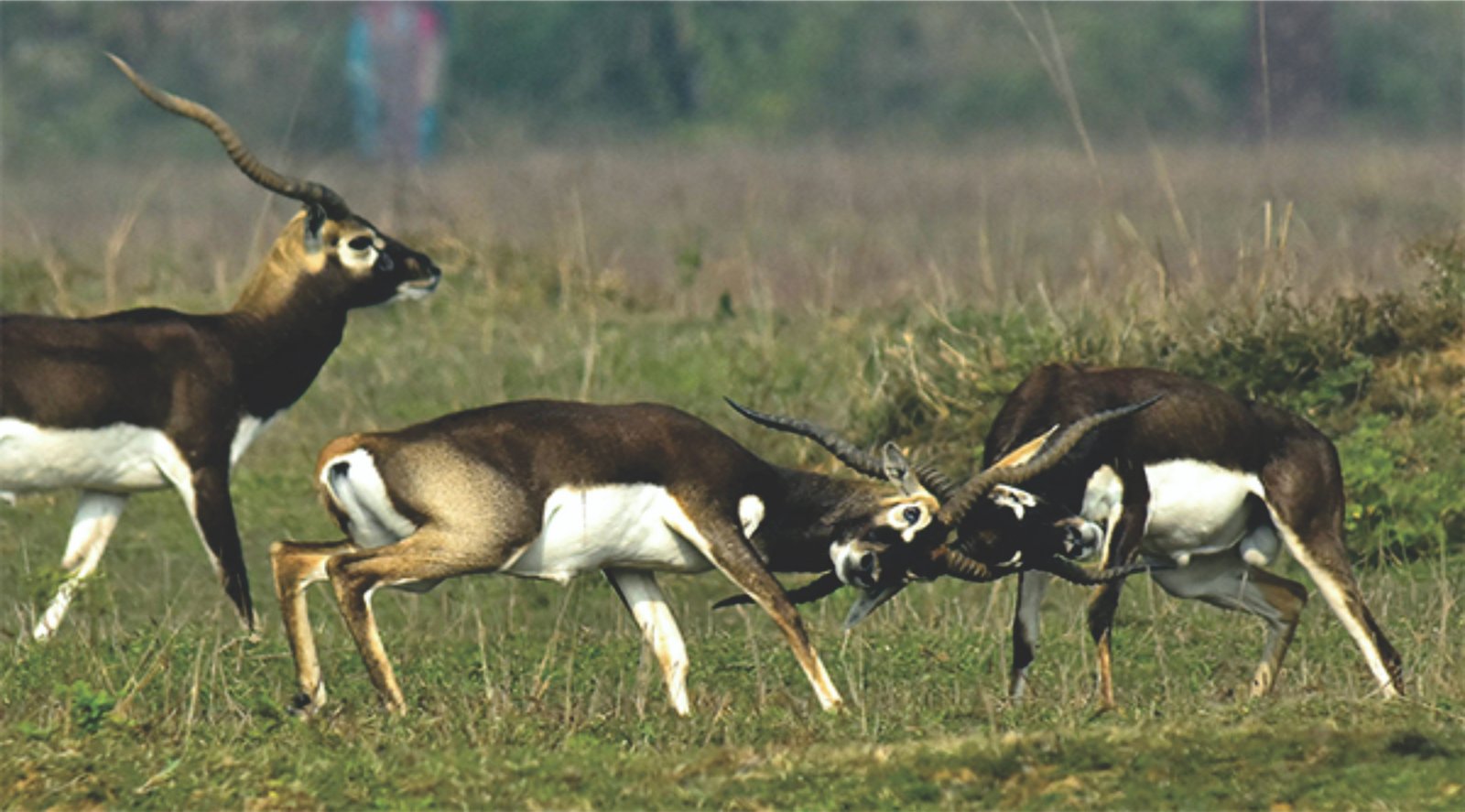
Located 50 km from Kota is the Sorsan Wildlife Sanctuary. Popularly known as the Sorsan Grasslands, it is a 41 sq.km bird sanctuary which is home to scrubby vegetation, water bodies and birds and animals.
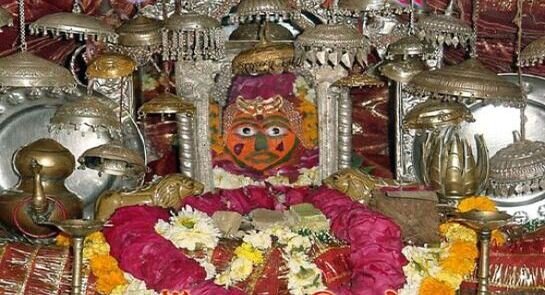
Sorsan Mataji temple, also known as Brahmani Mata Mandir is located at a distance of 20 km from Baran in Sorsan village.
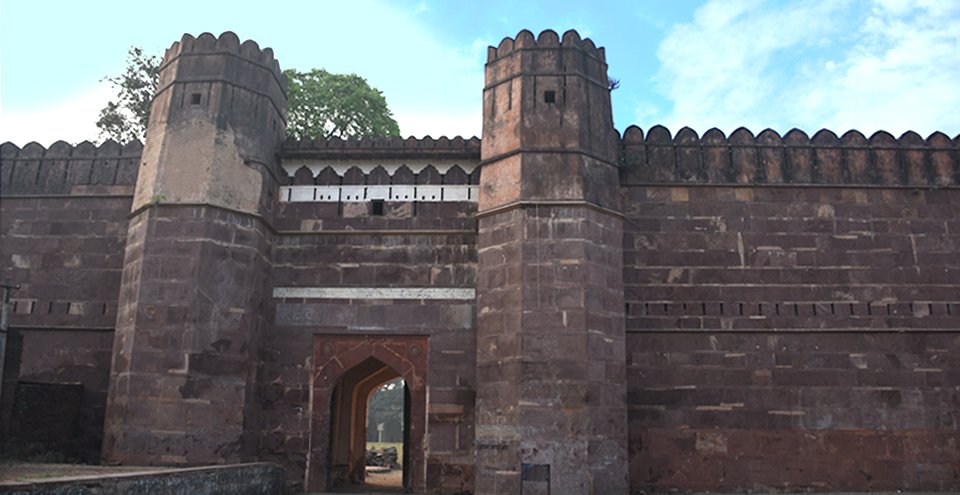
The fort, located at a distance of about 73 km. from Baran is quite an impressive site. A magnificent structure constructed from red stone, it is also an excellent exemplar of Mughal architecture.
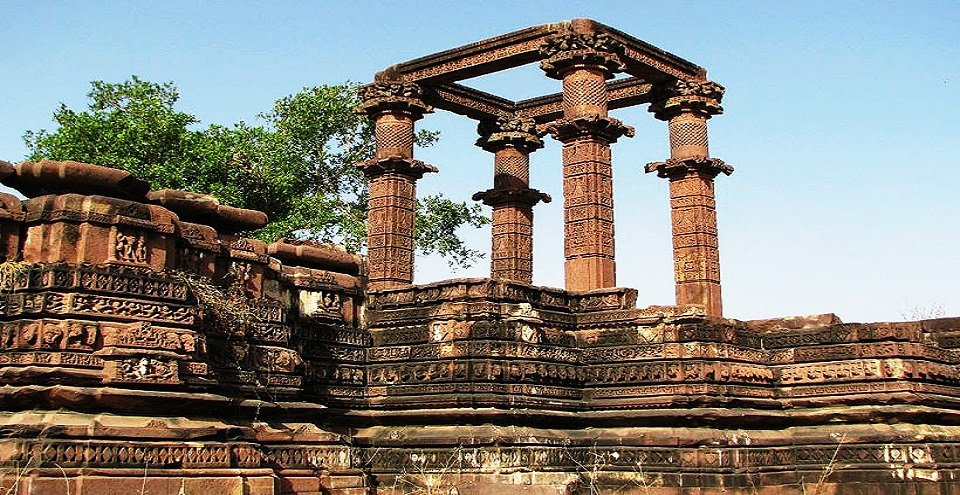
Bilasgarh, situated 45 km away from Baran city is in Kishanganj Tehsil. It was said that once upon a time, it was famous for being a well-developed city, but was destroyed on the orders of Mughal emperor, Aurangzeb.
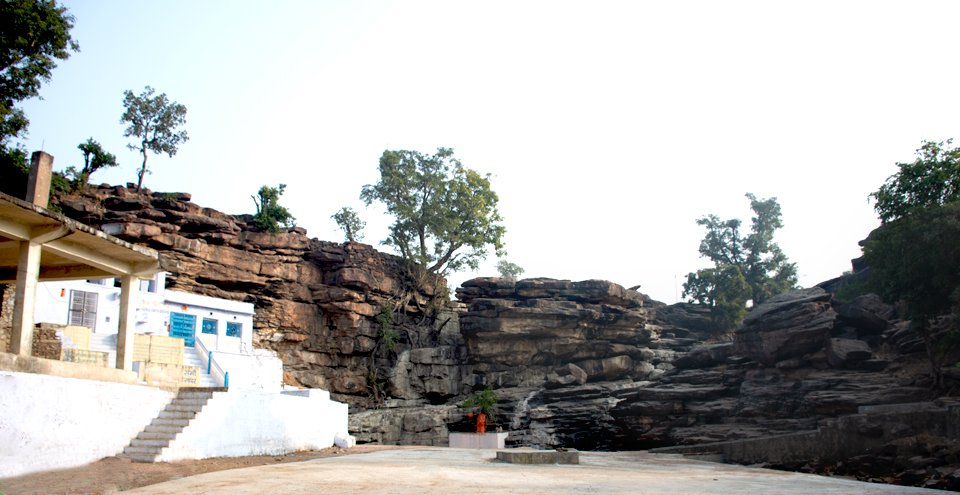
Renowned for its natural beauty, Kapil Dhara, famous among tourists, is located 50 km from Baran. The famous waterfall and a ‘Gamukh’ housed near the falls are also a big draw among tourists.
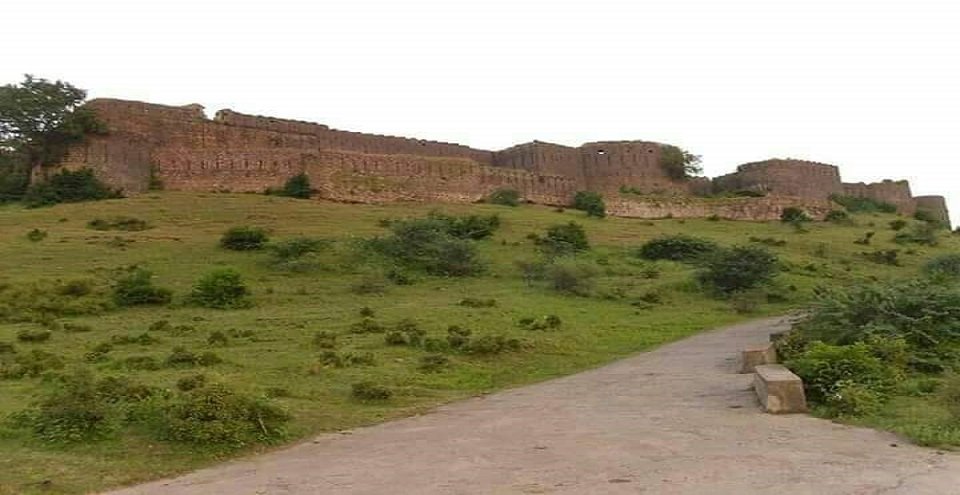
The fort is situated in the village Gugor, just 08 kms from Chhabra town of Baran district. The fort stands proudly on a hillock and its location on the bank of perennial river Parvati.
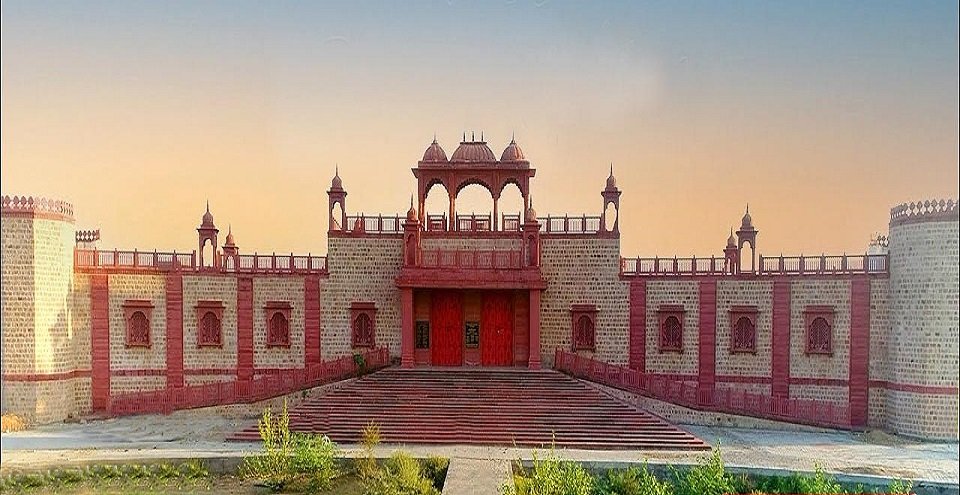
Located near Gajanpura, opposite to Food Craft Institute on Kota road. This Panorama attracts tourists to know the glorious history of kota-bundi-jhalawar.

This temple carries a historic importance and is another tourist attraction. Jhala Zalim Singh, had built this temple at the hill top. It has Kisnai Mata temple and Annapurna Devi temple inside its premises.
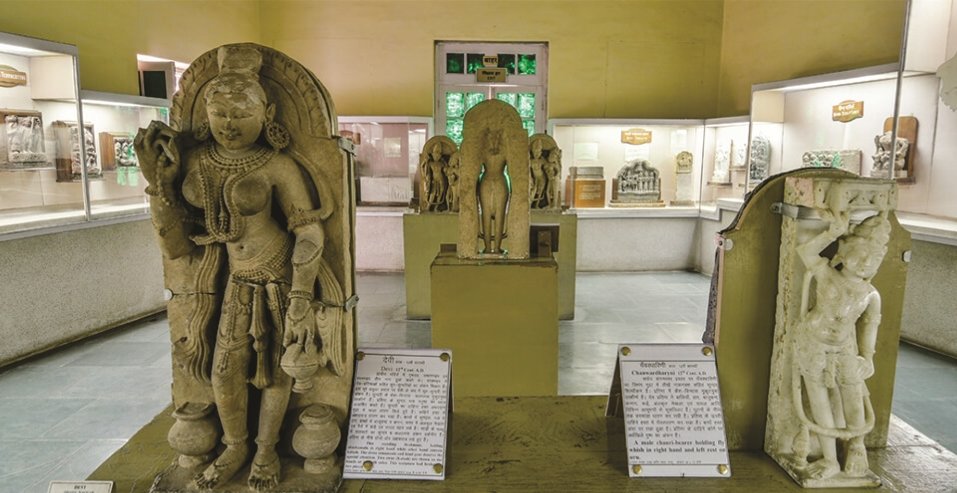
The Government museum of Baran displays good collections of sculptures, paintings, weapons and decorative artifacts with piture of local temples and forts and worth a visit.
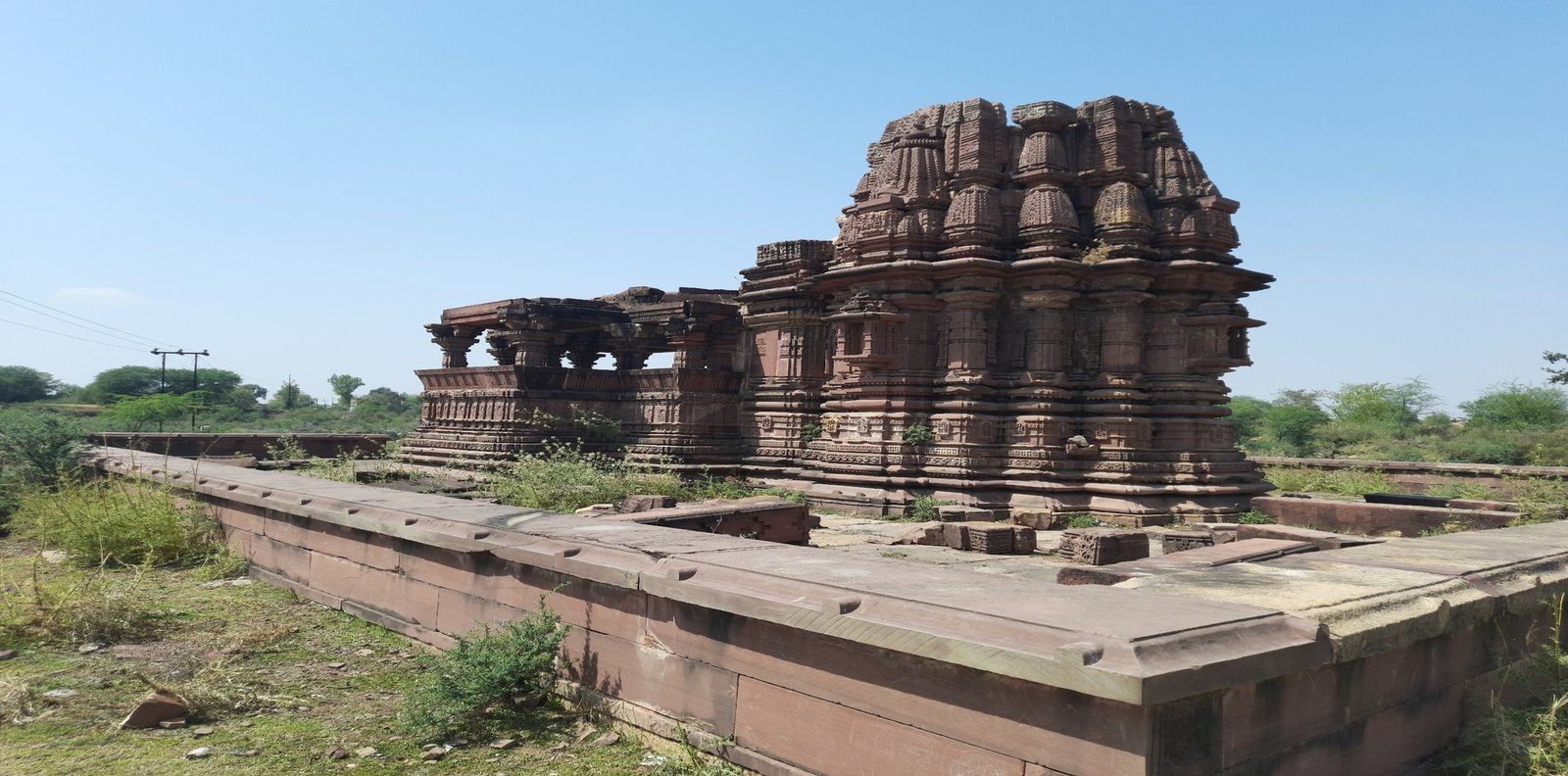
The temple of Bansthuni can be seen on the right side of the road on Shahabad road, 24 km from Baran. It is a beautiful temple built in the 09-10th century with carved pillars, torans etc worth seeing.

It is a unique geographical curiosity which is situated about 40 kms from Baran. The Crater has a diameter of approx 3.5 kms and it was created as a result of meteorite collision with earth about 75000 years back.
 Nearest airport is Sanganeer Jaipur – 313 km away.
 The city is connected with neighbouring districts and with major cities outside the state via National Highway No.76 (27)
 There are regular trains to Baran from all states in India