This artificial lake, also known as Bai Talab was constructed by Lanchi Bai, the Rani of Maharaval Jagmal Singh located in the eastern part of Banswara.
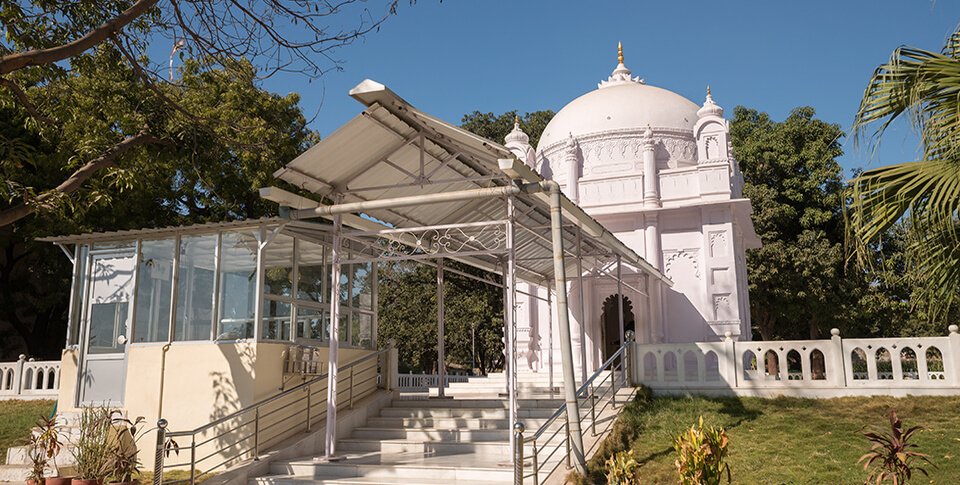
It is a popular shrine of a Bohra Muslim saint.This is the Dargah of Abdul Rasul, known as Abdullah Pir, situated in the southern part of the city.

Andeshwar Parshwanathji is a famous Jain temple located on a small hill in Kushalgarh tehsil. The temple is home to rare Shilalekhs from the 10th century.

It is also known as ‘Phati Khan’ because there is a deep cave under a hill. There is a Pool of very cold water found through out the year. It is said that Lord Ram, during his exile came & stayed here.

Barely a few kilometres from Banswara lies the Vithala Deo Temple. A beautiful red structure, this temple, dedicated to Lord Krishna.

On the banks of this beautiful lake stands the summer residence of the former rulers. A major part of the lake itself is covered with lotus flowers.
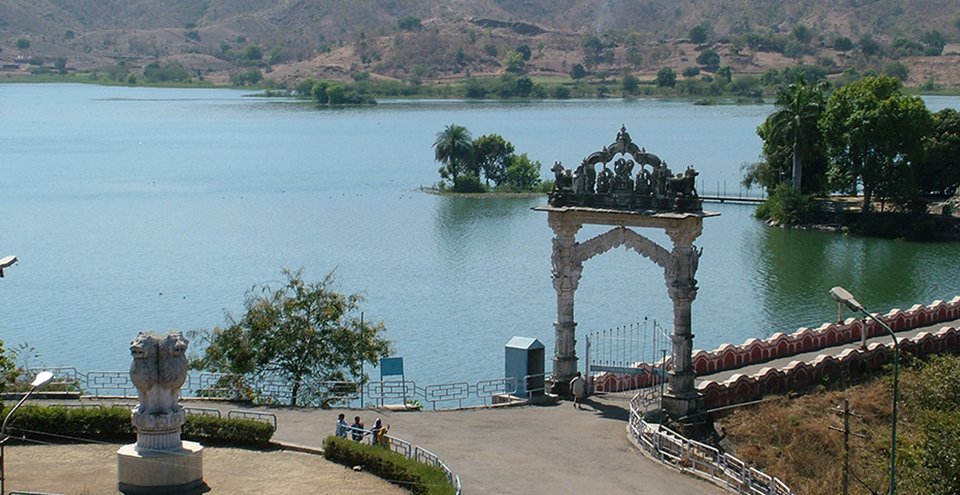
Located on Ratlam Road, 3 kilometres from the main city, is Kagadi Pikup Weir. It is worth visiting for its enchanting fountains, gardens and water bodies.

The Mahi River, which flows through the region, has several islands at various distances. In fact, in some ancient writings, Banswara finds mention as ‘the city of hundred islands’.
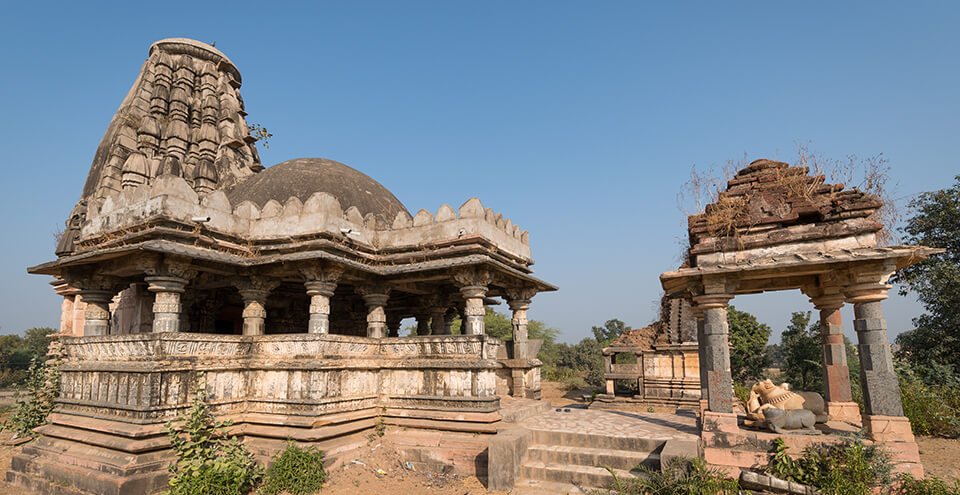
Paraheda, a famous Shiva temple, is located in Garhi Tehsil. It was constructed by King Mandlik in the 12th century and is approximately 22 kilometres from Banswara.

Raj Mandir, also known as the City Palace, is a 16th century structure that sits atop a hill as if keeping an eye on the town below. It is built in the style typical of old Rajput architecture.

This town is famous for the ancient temple of the Sun, Laxmi Narayan Temple, Jain Temple of Sambharnath, Lord Amaliya Ganesh, Maha Laxmi Temple and Dwarkadhish Temple.
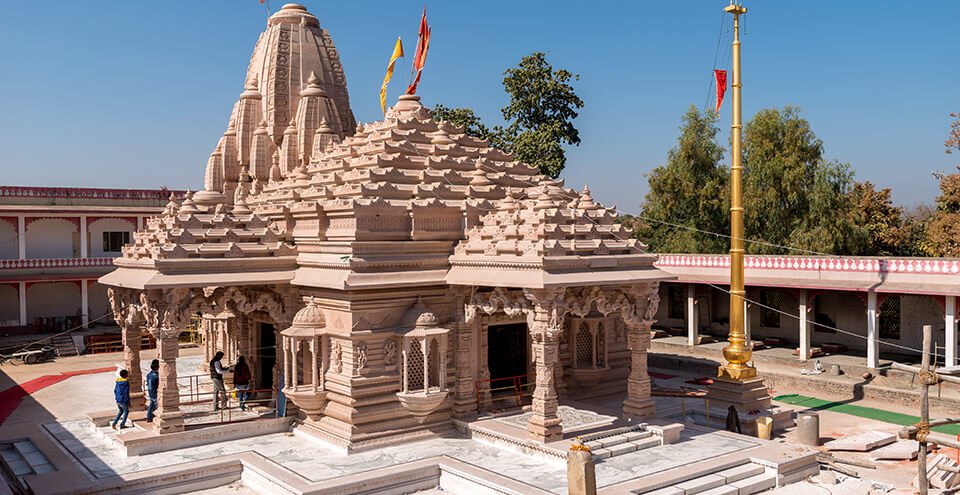
There is a temple of Goddess Tripura Sundari known as Tartai Mata here, which has beautiful idol of black stone having 18 hands each carrying a symbol, while the Goddess is seen riding a tiger.

This is a famous temple of Lord Shiva built inside a natural cave on top of a hill towards the eastern part of the city .It provides a sensational view.
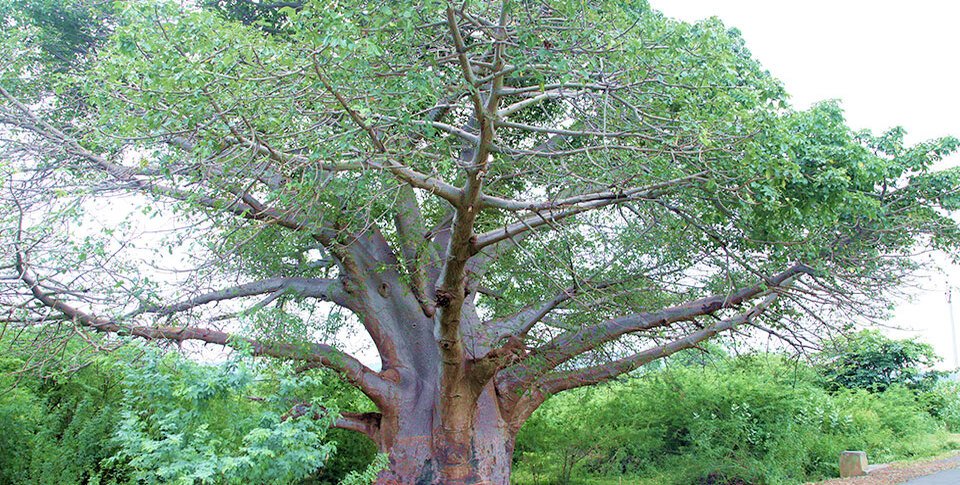
Standing elegantly near Bai Talab Lake are the rare species of large Kalpa Vriksha trees in a pair (Raja - Rani) which are said to fulfill the wishes of people.
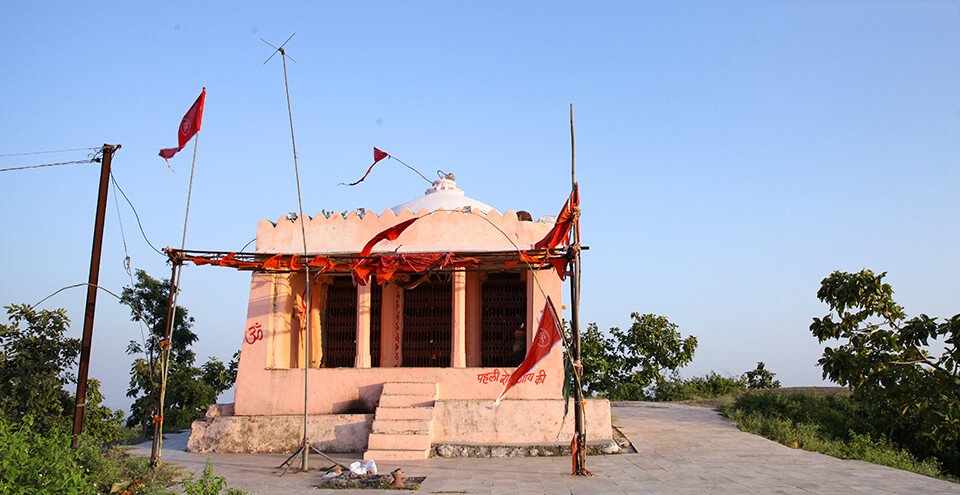
About 400 steps take you the temple of Samai Mata, perched on top of a hill. It is a beautiful picnic spot about 4kms from the city.

Govind Guru, was a popular saint of the Bhils who made the Mangarh hill a centre of faith. He awakened the Bhil community and filled them with a sense of patriotism.
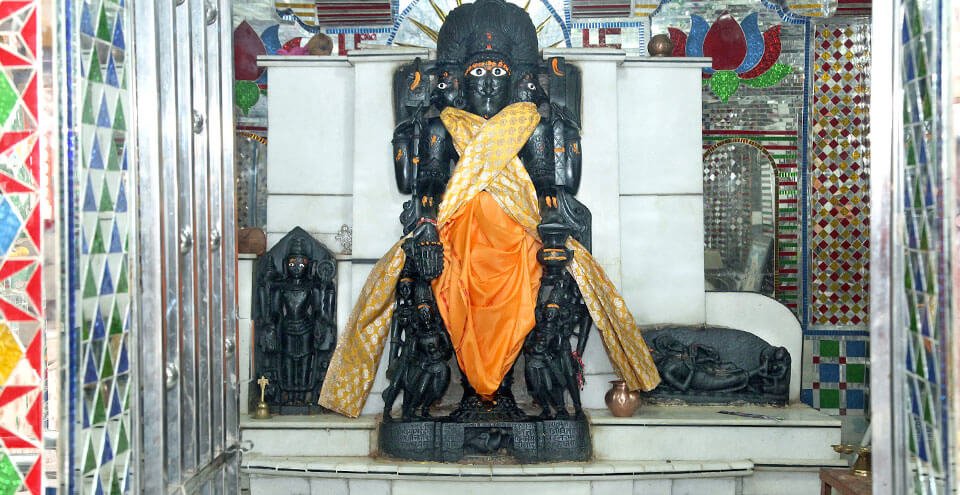
This village is known for its famous 12th century old temple of ‘Lord Brahma’. which houses a statue of Lord Brahma of an average man’s height
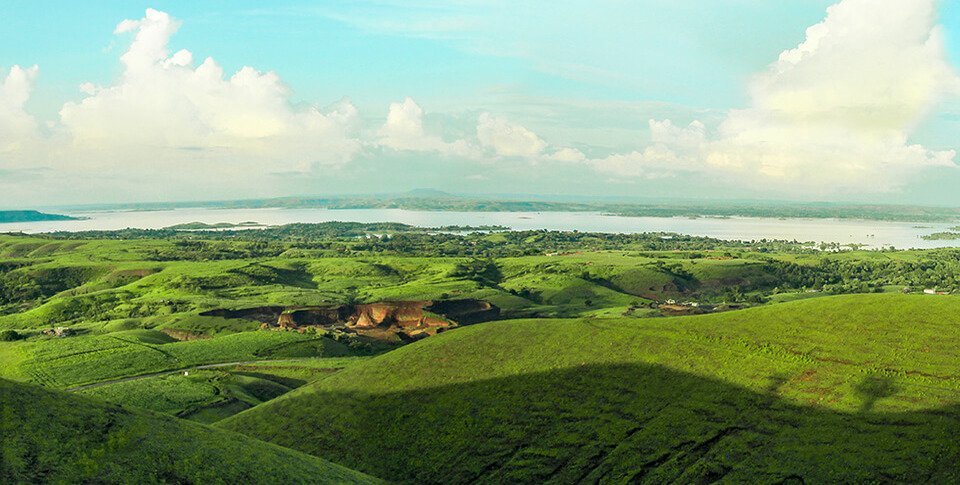
Offering a contemporary but off-beat location for a holiday, Singpura is a small village 10kms away from Banswara district in Rajasthan. With a beautiful lake, hillocks, a forest, and greenery all around.

Rajasthan is a state that is home to a number of hidden gems, and one of the sites that are yet to be fully explored is the Jua Falls in Banswara. The Jua Falls are best visited during the rainy season.
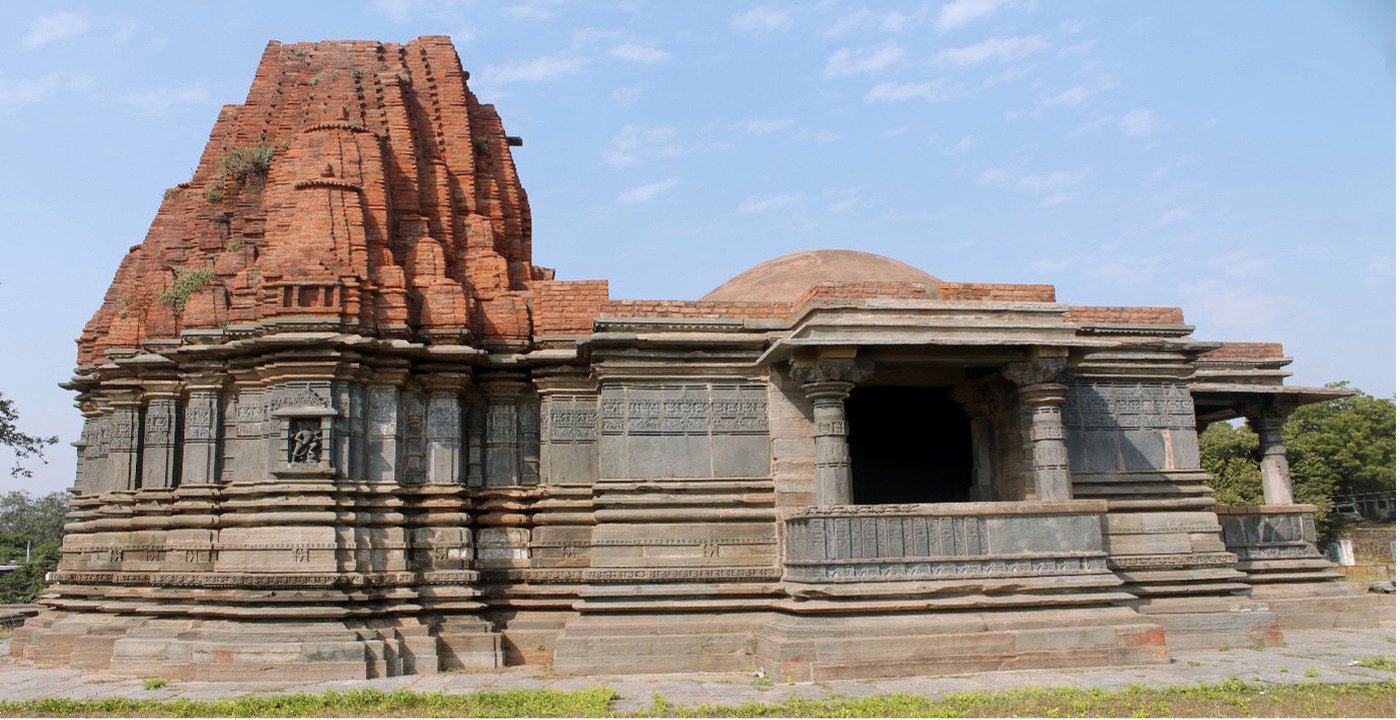
(55 Kms.) Arthuna as well as its surrounding areas have clusters of ruined Hindu and Jain temples belonging to the 11th, 12th and the 15th centuries.
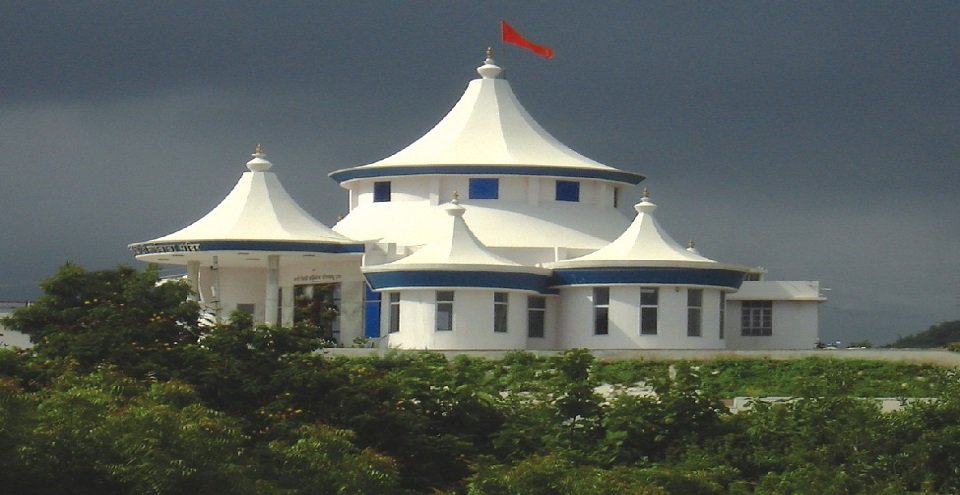
The Sai Baba temple is very famous in Banswara. It is dedicated to Shri Sai Baba believed to be an incarnation of Lord Shiva. This temple is built on the top of a hill situated at a distance.
 The closest airport is Udaipur Airport which is 185 kms away.
 Buses are available from Delhi, Jaipur and Bharatpur to Banswara.
 The nearest station is Ratlam which is 80 kms away.