Jalore, located in the south-western part of Rajasthan, is a city where history, spirituality, and craftsmanship blend harmoniously. Popularly known as the “Granite City of India,” it is equally celebrated for its heritage monuments, vibrant culture, and scenic surroundings. Set against the backdrop of the Aravalli hills, Jalore offers visitors a journey through centuries of tradition while still embracing its modern industrial identity.
Historical Background
Firstly, the history of Jalore dates back over a thousand years, beginning under the rule of the Parmar dynasty. Secondly, it came under the Chauhans, followed by the Delhi Sultanate and eventually the Rathore rulers of Marwar. Each dynasty left its imprint on the city through architecture, temples, and fortifications. Thirdly, Historical accounts narrate tales of legendary warriors, local heroes, and political intrigue that shaped Jalore’s proud legacy.
Jalore Fort – A Symbol of Power
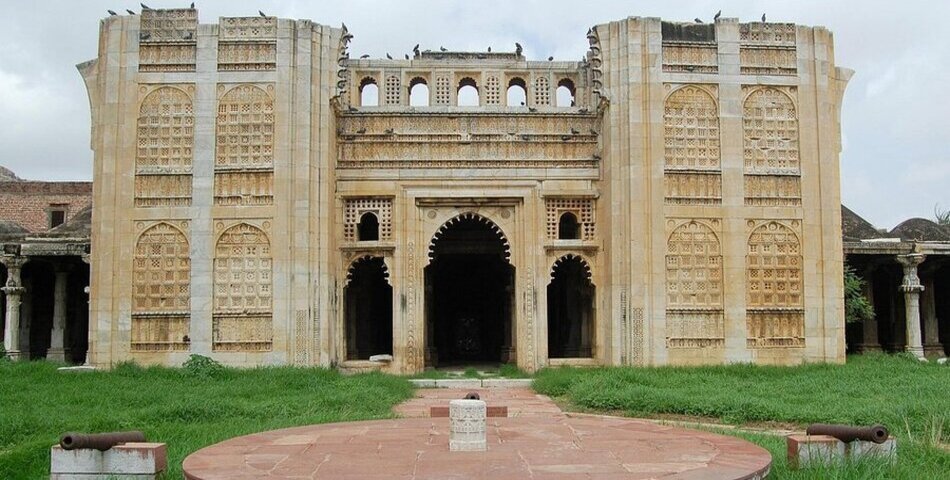
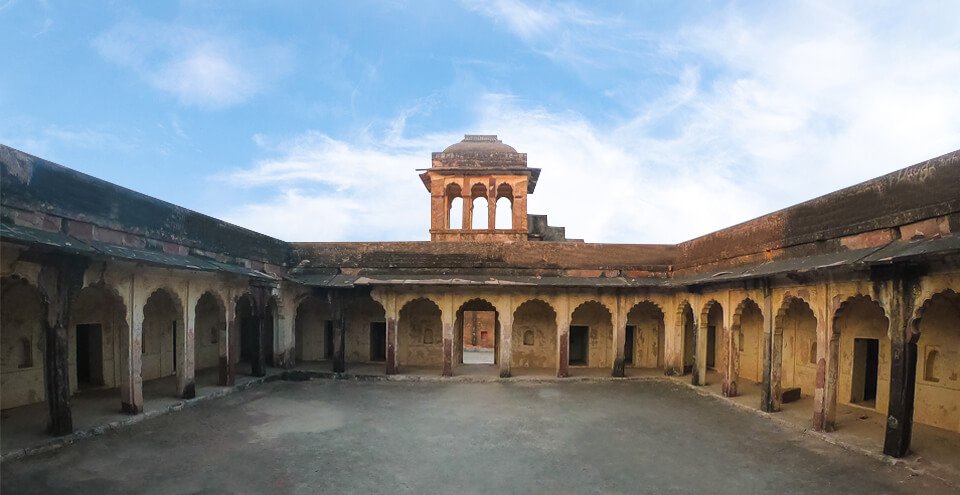
Additionally, The Jalore Fort is the city’s most iconic landmark, dominating the skyline from its hilltop perch. Believed to be one of the most impregnable forts in Rajasthan, it is accessed by a winding ascent that rewards visitors with panoramic views of the golden plains below. Moreover, The fort’s high walls, ornate gateways, and inner courtyards reveal the skill and vision of its builders. Within the fort complex, visitors can find centuries-old temples, stone inscriptions, and reservoirs that once sustained its inhabitants during sieges.
Religious Heritage and Spiritual Sites
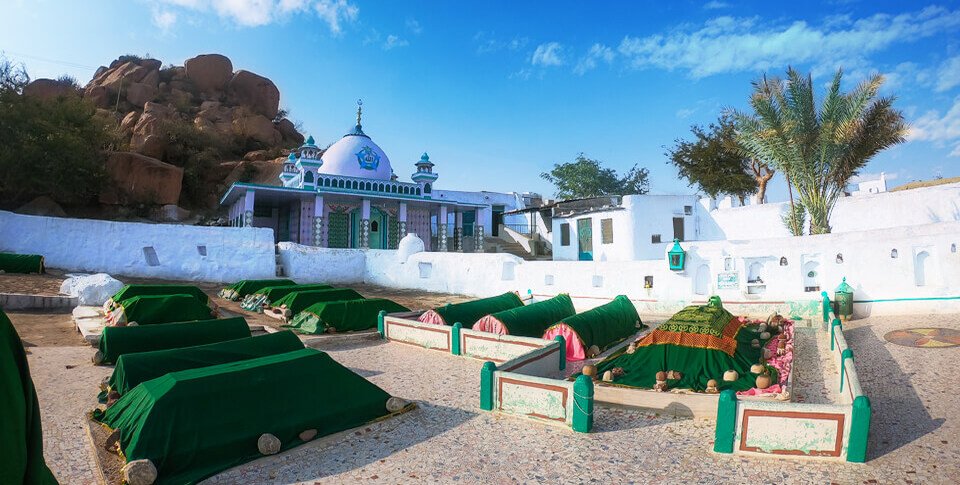
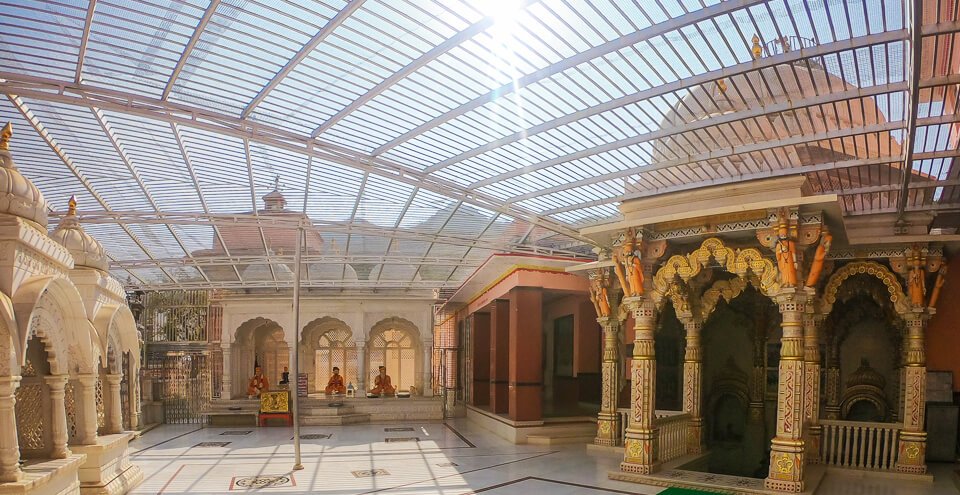
Jalore is a spiritual destination as much as it is historical. The Sundha Mata Temple, located about 105 km away, sits atop a 1,220-metre-high hill in the Aravalli range. It is dedicated to Goddess Chamunda and attracts thousands of devotees throughout the year. The city also boasts several Jain temples, celebrated for their intricate marble work, delicate pillars, and peaceful atmosphere. Moreover, these religious landmarks reflect the deep devotion and artistic excellence of the region’s people.
Culture and Festivals
Jalore’s cultural fabric is woven with traditions that have been passed down for generations. Folk music and dance fill the air during festivals such as Holi, Diwali, and Teej. Local fairs, often held in temple courtyards or open grounds, feature camel processions, handicraft stalls, and performances by folk artists. Lastly, these events offer a glimpse into the warm hospitality and colourful lifestyle of the people.
Natural Beauty and Scenic Attractions
The landscapes around Jalore are as captivating as its monuments. Fields of mustard and cumin sway in the wind, painting the countryside in shades of gold and green. Sundha Mata Wildlife Sanctuary, located nearby, provides a haven for leopards, blue bulls, foxes, and numerous bird species. The rolling hills and clear skies make the region a peaceful escape for nature lovers and photographers.
Economic Strength and Modern Identity
While its history is a source of pride, Jalore is equally known for its thriving granite industry. The region produces some of the finest quality granite, exported worldwide, making it a significant contributor to India’s stone trade. Agriculture remains a vital part of daily life, with the fertile soil supporting crops like wheat, mustard, and cumin, ensuring a balance between tradition and industry.
Local Experiences and Cuisine
A visit to Jalore is incomplete without exploring its bustling bazaars, where traders sell spices, textiles, jewellery, and handcrafted items. The aroma of Rajasthani cuisine—dal bati churma, gatte ki sabzi, and bajra roti—tempts every passerby. Street food stalls serve savoury snacks and traditional sweets, making the culinary experience as memorable as the sights.
Best Time to Visit
The ideal time to explore Jalore is between October and March when the weather is pleasant and outdoor exploration becomes comfortable. Winter evenings, especially from the fort, offer enchanting views of the city lights under a starlit sky.
Conclusion
In conclusion, Jalore is a destination that tells its story through every fort wall, temple carving, and marketplace conversation. It invites travellers to witness the courage of its warriors, the devotion of its people, and the artistry of its craftsmen. Whether you are drawn to its imposing fort, sacred temples, vibrant culture, or peaceful countryside, Jalore leaves an impression that lingers long after the journey ends.