Shri Ganganagar is a prominent city located in the northernmost part of Rajasthan, bordering Punjab and Pakistan. It lies near the Sutlej River and the Indira Gandhi Canal, which have played a vital role in transforming this once semi-arid land into a fertile agricultural region.
The city is often referred to as the “Green District” or “Food Basket of Rajasthan” due to its high agricultural productivity and lush green fields — a contrast to the typical desert image of the state.
Founding and History
Shri Ganganagar was established in the early 20th century by Maharaja Ganga Singh of Bikaner, after whom the city is named. His vision to bring irrigation to this barren region led to the development of the Gang Canal, a crucial lifeline that helped convert the area into a productive agricultural zone.
The city was meticulously planned with broad roads, grid-based layouts, and ample green space — earning it the reputation of being one of the first planned cities of Rajasthan.
Geography and Climate
Elevation: Around 178 meters above sea level
Climate: Semi-arid to arid, with hot summers and mild winters
Best time to visit: October to March
Thanks to irrigation from canals, the region is surprisingly green and supports a wide variety of crops, including wheat, cotton, mustard, sugarcane, and kinnow (a citrus fruit).
Economy and Agriculture
Agriculture is the backbone of Shri Ganganagar’s economy. The district is a leading producer of:
Wheat, barley, and pulses
Cotton and mustard
Sugarcane and guar gum
Kinnow (mandarin orange), exported across India and abroad
The city also has agro-based industries, cotton ginning, sugar mills, and oil processing units. It is a major center for trading agricultural produce in Rajasthan.
Culture and Language
Shri Ganganagar reflects a vibrant mix of Rajasthani, Punjabi, and Haryanvi cultures due to its location near multiple state borders.
Languages commonly spoken include:
Hindi (official language)
Punjabi, Bagri (a dialect of Rajasthani), and Haryanvi
The cultural life is rich in folk music, festivals, and traditional fairs, influenced by both desert traditions and Punjabi energy.
Education and Institutions
The city is known for its educational infrastructure and hosts several institutions:
Sukhadia University campus
Engineering, agriculture, and law colleges
Numerous private schools and coaching centers
It has become a hub for students from nearby districts and towns.
Transportation and Connectivity
By Road: Well-connected to cities like Bikaner, Hanumangarh, and Jaipur
By Rail: Shri Ganganagar Railway Station connects to Delhi, Bikaner, Jaipur, and beyond
By Air: The city has a small airport with limited services; nearest major airport is in Bathinda or Amritsar
Nearby Attractions and Places of Interest
Anupgarh Fort – A historic fort near the Pakistan border
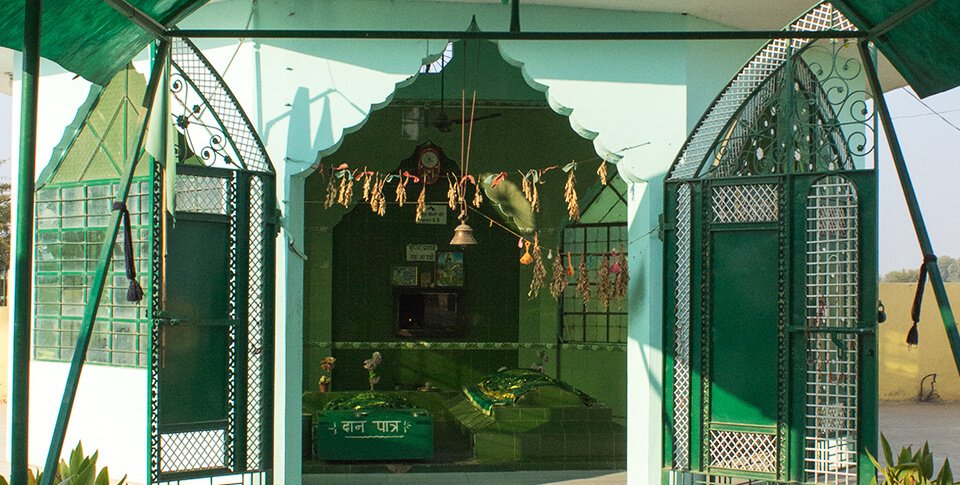
Laila Majnu Ki Mazar (Binjaur) – A symbolic mausoleum of legendary lovers, visited by couples
Hindumalkot Border – A border viewing point near Pakistan, similar to Wagah
Suratgarh Thermal Power Station – A major power plant and industrial site
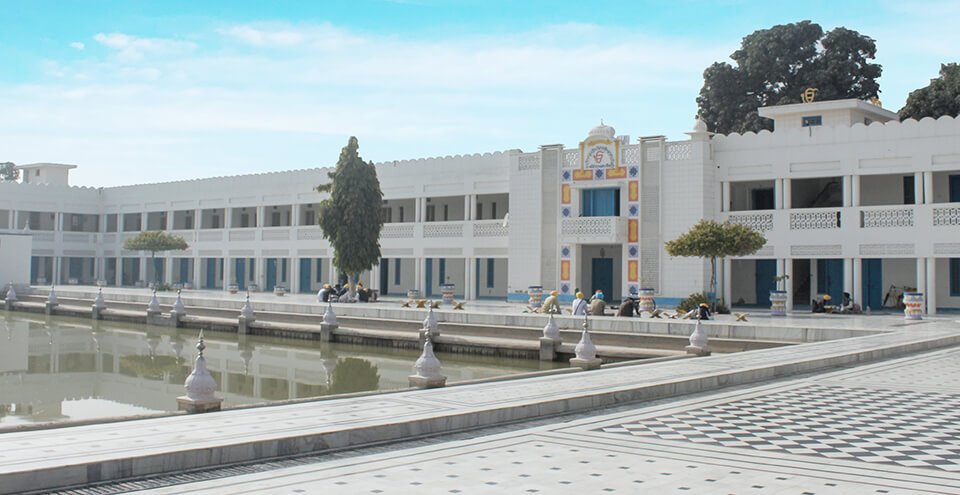
Religious Sites: Hanuman Mandir, Gurudwaras, Jain Temples, and Shiva temples
Why Visit Shri Ganganagar?
Experience agricultural transformation in a desert state
Enjoy cross-cultural heritage blending Rajasthani and Punjabi traditions
Explore offbeat destinations like historical forts and border landmarks
Ideal for travelers interested in rural tourism, food processing, and cultural diversity