Located in the northern part of Rajasthan, Hanumangarh is a city that blends history, heritage, and culture. Positioned along the banks of the Ghaggar River, the city holds great archaeological and strategic importance.
Historical Background
Originally known as Bhatner, the city was ruled by several dynasties over the centuries. In 1805, Maharaja Surat Singh of Bikaner renamed it Hanumangarh in honor of Lord Hanuman. Since then, the city has grown into a place of both religious and historical significance.
Ancient Forts and Monuments
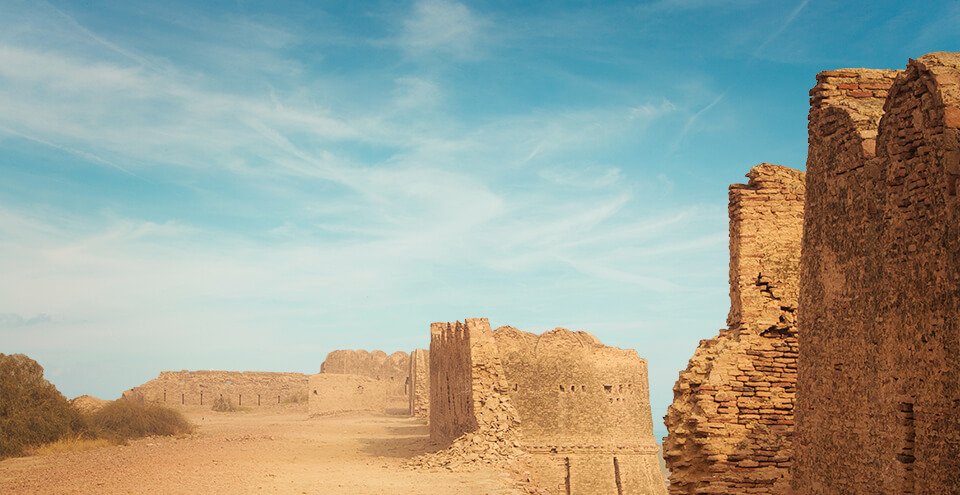
Moreover at the heart of the city lies the impressive Hanumangarh Fort. Built around 1700 years ago by Bhupat, a king of the Bhati dynasty, the fort reflects the city’s military past. Thick walls, tall bastions, and strategic location make it a marvel of Rajput architecture. Alongside the fort, several ancient temples and structures showcase the city’s spiritual heritage.
Archaeological Significance
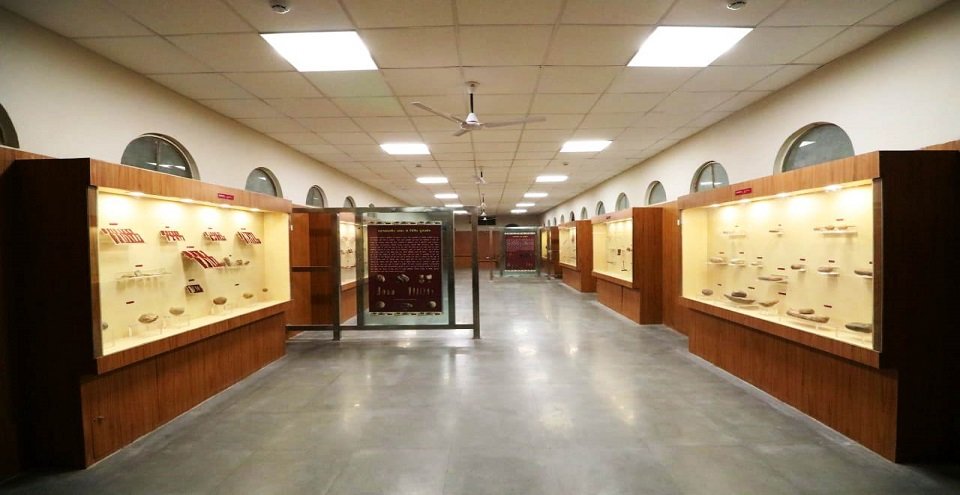
Hanumangarh is not just a city of forts but also an important archaeological site. Excavations at Kalibangan, located nearby, have revealed remains of the Indus Valley Civilization. Tools, pottery, and seals found here highlight the advanced lifestyle of one of the world’s oldest urban cultures. These discoveries place Hanumangarh on the map of global archaeology.
Cultural and Religious Harmony
The city hosts various temples, gurudwaras, and mosques, representing diverse faiths. Major festivals such as Diwali, Holi, and Baisakhi are celebrated with great enthusiasm. Moreover, local fairs and traditional events add color and energy to the cultural scene.
Economy and Agriculture
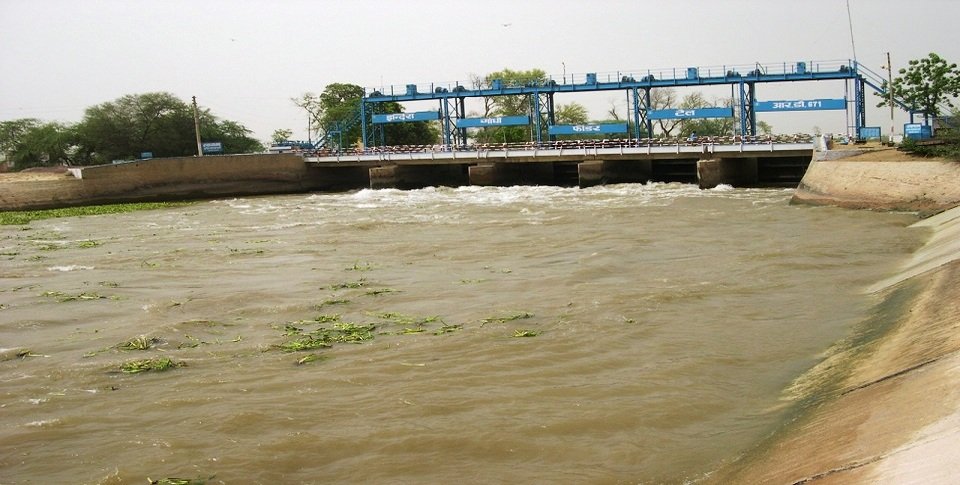
Hanumangarh plays a key role in the agricultural economy of Rajasthan. Fertile land and irrigation from the Indira Gandhi Canal make it a major producer of wheat, mustard, and cotton. In addition, local markets thrive with trade in grains, textiles, and handicrafts.
Connectivity and Growth
Hanumangarh serves as a gateway to northern Rajasthan with well-connected roadways and railways. The city’s development continues with improvements in education, healthcare, and infrastructure. Modern facilities blend with traditional values, offering a balanced lifestyle to its residents.
Conclusion
In conclusion Hanumangarh stands as a proud guardian of Rajasthan’s ancient past and cultural richness. From historic forts to archaeological wonders, and from religious harmony to agricultural strength, the city offers a unique journey through time and tradition.