
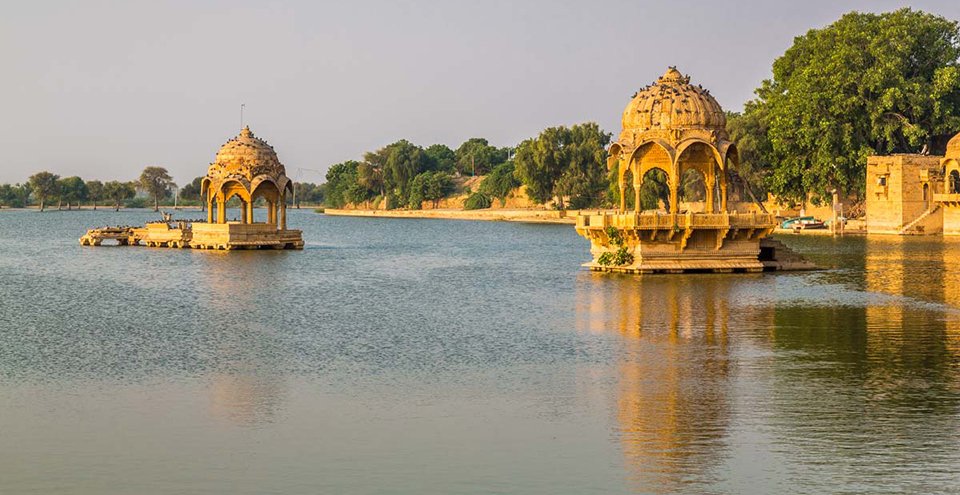
Laser Water Show at Gadisar Lake is one of the first and largest Laser Water Show having water screen projection mapping using 3-chip DLP projectors of 25,000 lumens.

The Jaisalmer Fort also goes by the name Sonar Quila (Golden Fort) as it rises from the desert itself and seems to become one with the golden hues of the sand.
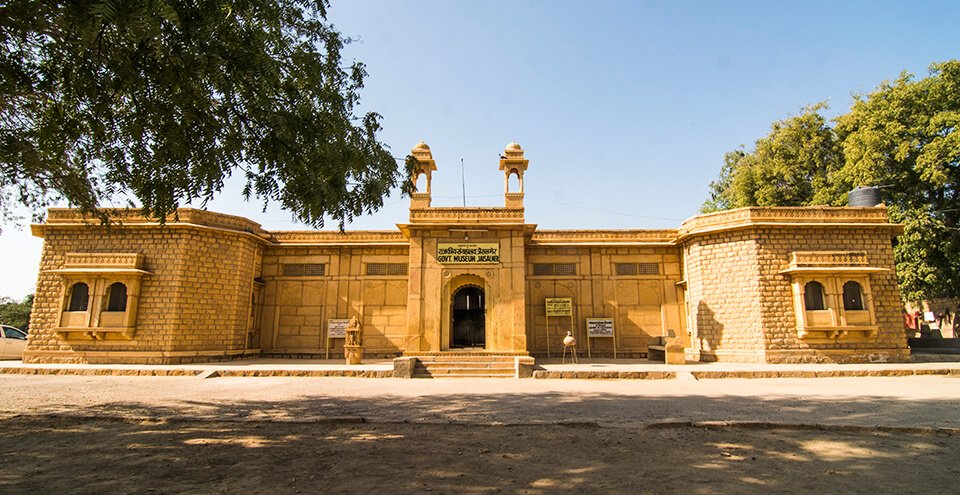
Established by the Department of Archaeology and Museums, it is a prime attraction for tourists visiting Jaisalmer. The most striking display is the trophy of Rajasthan‘s state bird Godawan.

Two architect brothers built Nathmal Ji Ki Haveli in the 19th century. They worked on the haveli from two sides and the outcome is a beautiful blend of the symmetrical construction.

This haveli was built in the first half of the 18th century and a part of it is still occupied by descendants of the original residents.

Among the largest and the most elaborately carved havelis in Jaisalmer, this five-storey structure sits proudly in a narrow street.
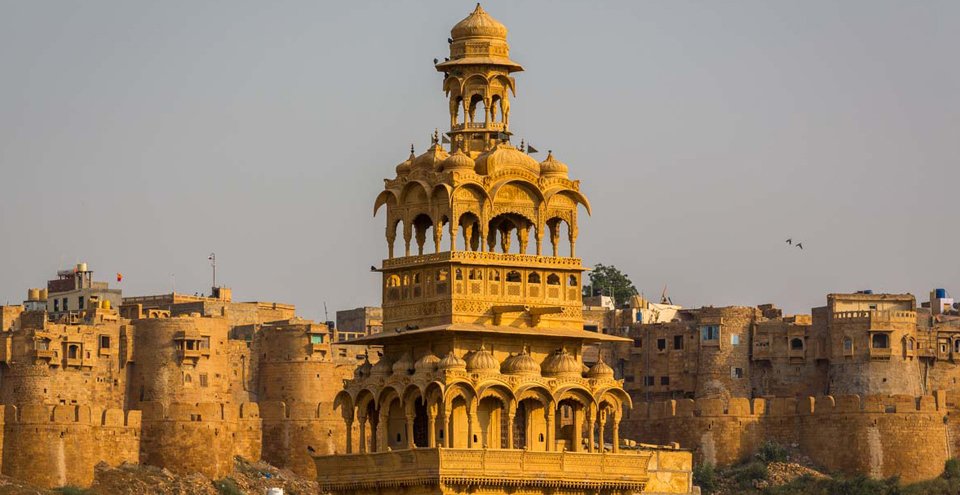
The five-storeyed majesty of the Badal Mahal (Cloud Palace) is further enhanced by its pagoda-like Tazia Tower. Each floor of the palace has an intricately carved balcony.
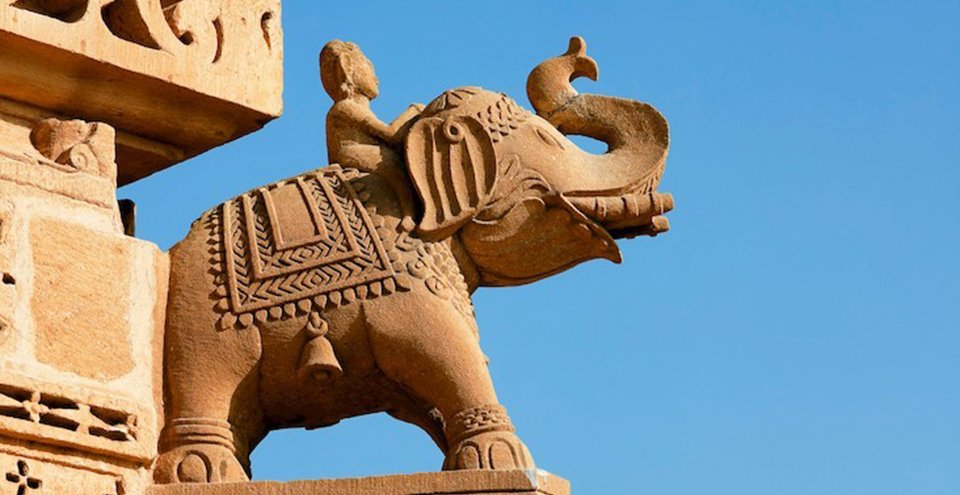
The Jain Temples located inside the Jaisalmer Fort date back to the 12th and 15th centuries. The temples are dedicated to Rikhabdevji and Shambhavdevji, famous Jain hermits known as 'Tirthankars'.

About 6 kilometres to the north of Jaisalmer lies Bada Bagh, also called Barabagh (literally Big Garden). This garden complex houses chhatris or royal cenotaphs of the Maharajas of Jaisalmer state.
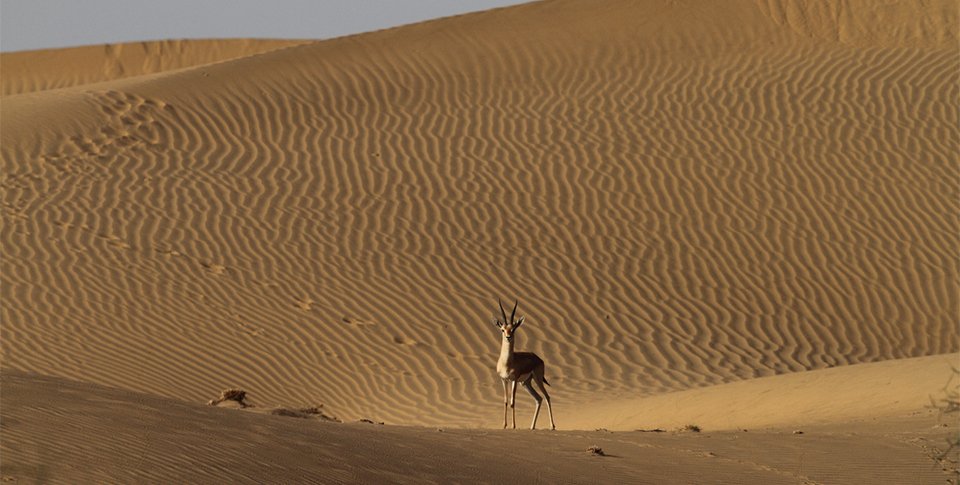
The Desert National Park displays the best of the Thar desert’s ecosystem and its varied wildlife. The Park is formed of undulating sand dunes, jagged rocks, dense salt lake bottoms and inter-medial areas.

The underlying history of Kuldhara has piqued the curiosity of one visitor too many, and makes it one of the most enigmatic destinations to visit in Jaisalmer, Rajasthan.
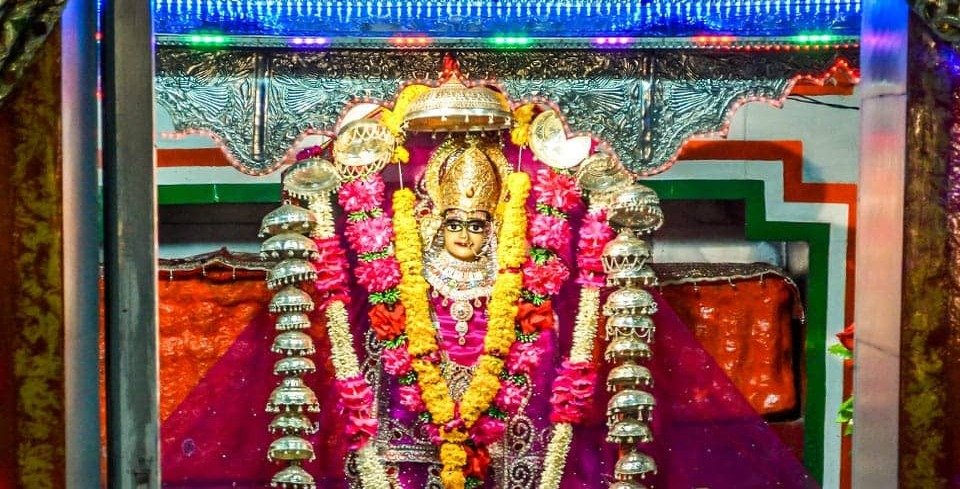
Some 120 kilometres away from Jaisalmer is the Tanot Mata Temple. Tanot Mata is considered to be a reincarnation of Goddess Hinglaj.
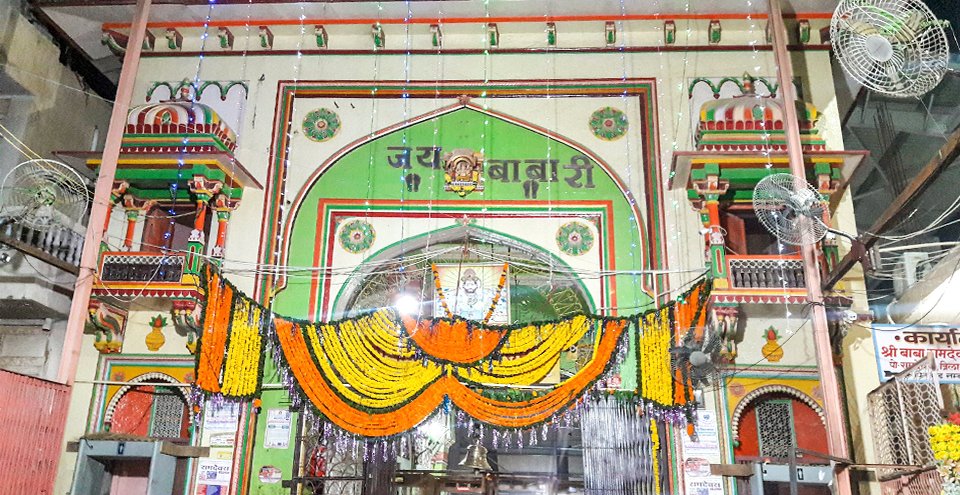
Located 12 kilometres from Pokhran on the Jodhpur – Jaisalmer route lies Ramdevra Temple. While most people assume it is a temple dedicated Lord Ram, it is in fact, dedicated to renowned saint Baba Ramdevji.

“If you ate today, thank a farmer, and if you ate in peace, thank a soldier!” Our military and defense forces spend their days facing perils and hardships, so the citizens of India can sleep peacefully.

One of the first major engagements in the Western sector during the Indo Pakistani War of 1971, the Battle of Laungewala is an inspiring tale of courage in the face of unconquerable odds.

Rajasthan is a treasure trove of history and historical artifacts, but one place in particular takes you beyond the ‘timeline of present’, right into the prehistoric Jurassic era.

Located in Bada Bagh in Jaisalmer, Vyas Chhatri is one of the most beautiful examples of Rajasthani architecture. This old Brahmin cemetery, full of local versions of cenotaphs, is dedicated to Ved Vyaas.
Amar Sagar Lake, located about 7 km towards the western outskirts of Jaisalmer, is a lake cum oasis lying adjacent to the Amar Singh Palace. The palace itself was built in the 17 th century.
