

Chittorgarh Fort Light & Sound Show is a traditional light & sound show featuring mesmerizing impacts of DMX controlled LED luminaries, gobo lights, 5.1 audio surround system.

Vijay Stambh (the Tower of Victory) was built by Maharana Kumbha between 1440 AD and 1448 AD to immortalise his triumph of defeating the Muslim rulers of Malwa and Gujarat.
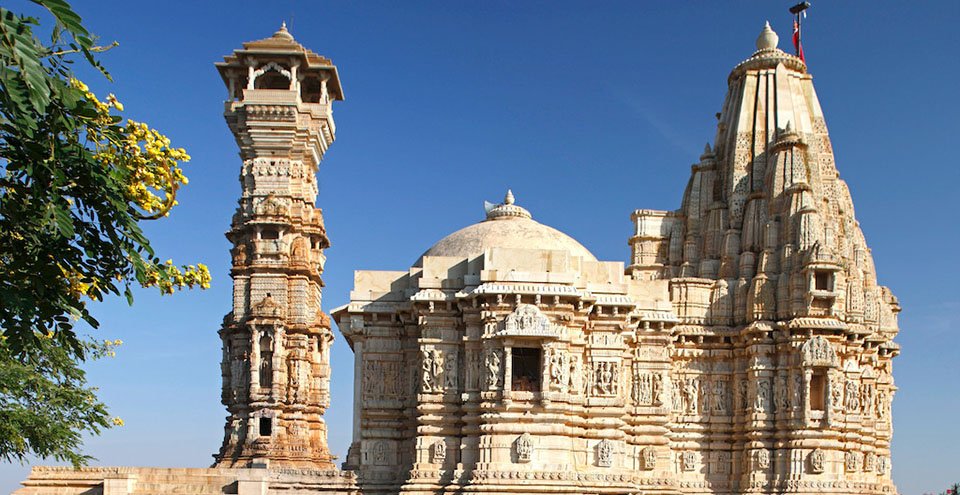
This Tower of Fame is dedicated to Adinathji, the 1st Jain Tirthankara (great teacher). Adorned by the figures of the Digambars (Jain monks).
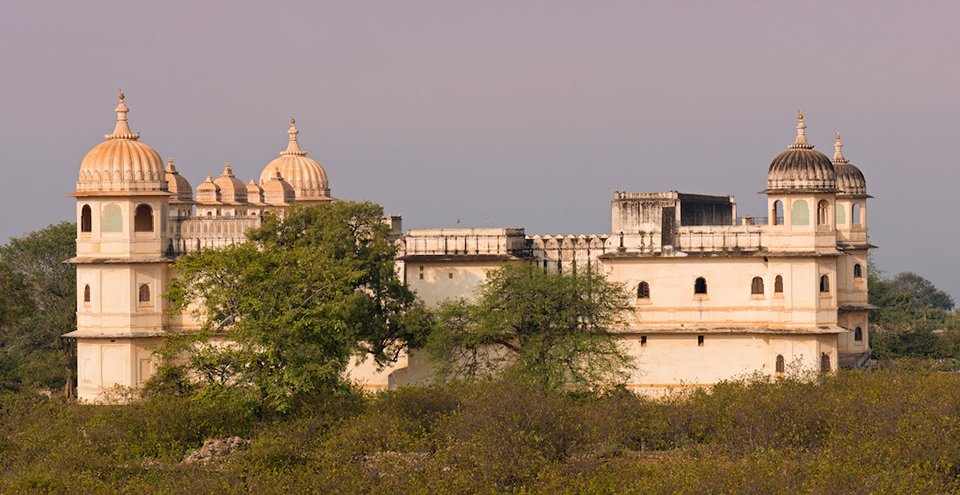
Constructed by Maharana Fateh Singh, this palace functioned as his residence. It was built in the Rajput style of architecture as a declaration of his taste for art and culture.

The fort of Chittor has six Jain temples contained within its walls. The largest among them is the temple of Bhagawan Adinatha which has 52 ‘devkulikas’.
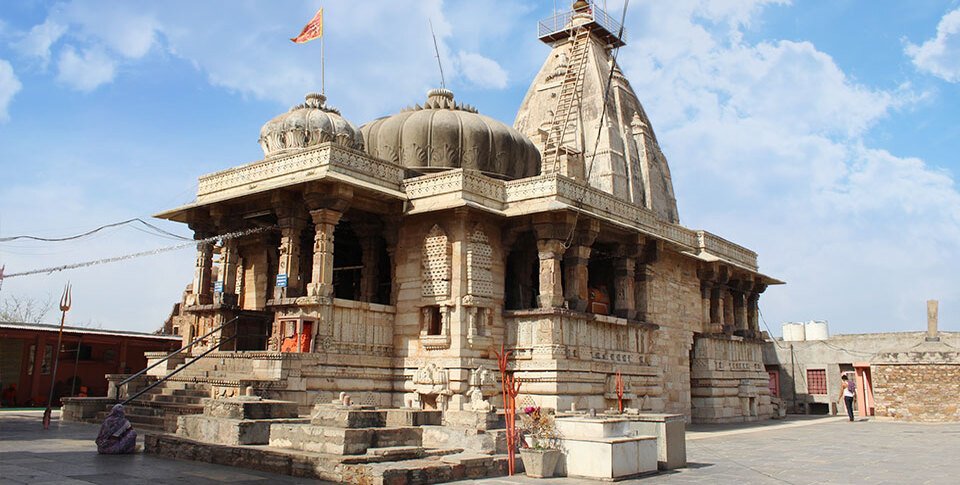
Built in 8th century AD, this ancient structure was initially constructed to worship the sun god. In the 14th century, Rana Hameer rebuilt it and then temple was dedicated to Goddess Kali.
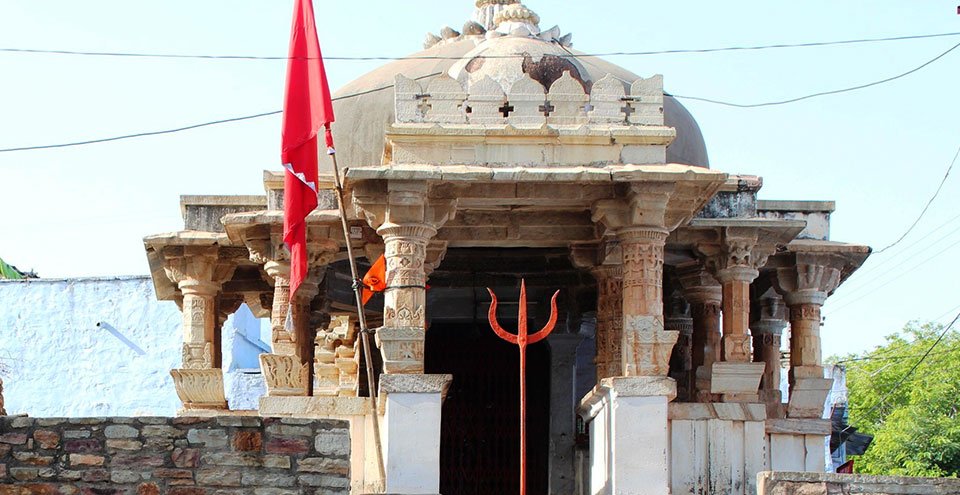
Dedicated to Goddess Durga, this temple was built by Banveer, Maid in 16th century. Legend says that it is named after Banvir who donated various ornaments (Tula Dan) equaling his weight for relief funds.

Gaumukh Reservoir is a deep tank that is fed by a spring. The spring emerges from a rock formation resembling a Gaumukh or ‘cow’s mouth’. The tank is considered sacred by the locals.

The winter palace of the royal family, it overlooks a small lake. Although fairly rundown now, it is an interesting place to explore and attracts many tourists.

A ruined edifice of great historical and architectural interest, this is one of the most massive monuments in the Fort of Chittor.
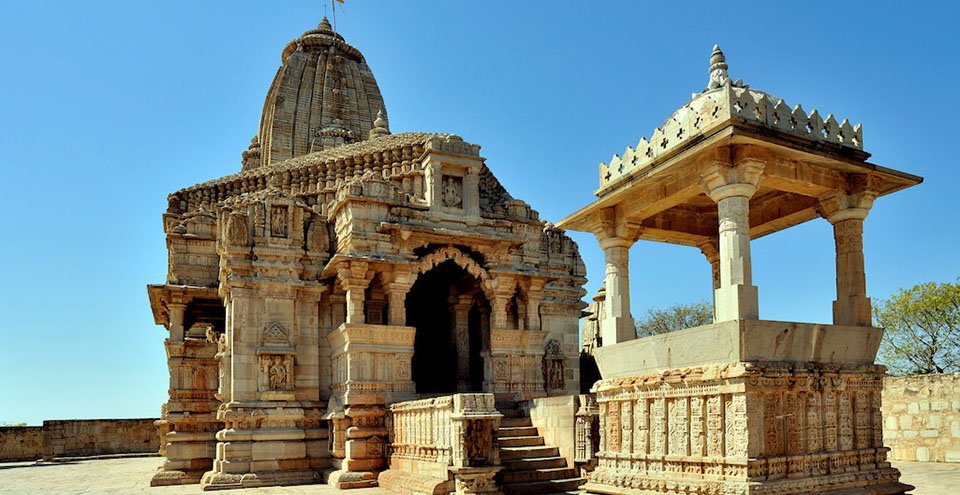
Kumbhashyam Temple was built in the 8th century. Originally this temple was dedicated to Lord Varaha (boar). Maharana Kumbha renovated this temple in the fifteenth century.

Meerabai, an ardent devotee of Lord Krishna’s, worshipped him at this temple. The structure is designed in the classic North Indian style of temples.

80 kilometrs from Bhilwara, on the Bhilwara-Kota road is a beautiful waterfall where the water falls to a depth of 150 metres into a V-shaped valley with great force, making for a beautiful sight.
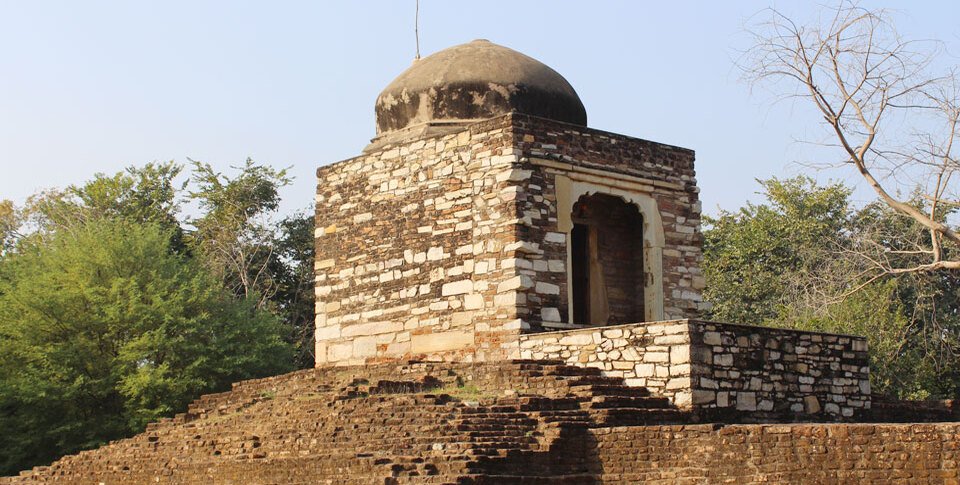
Nagari is a village situated 18 Km North of Chittorgarh, on the banks of river Berach. In the ancient era, it was known as Majhimika or Madhyamika .
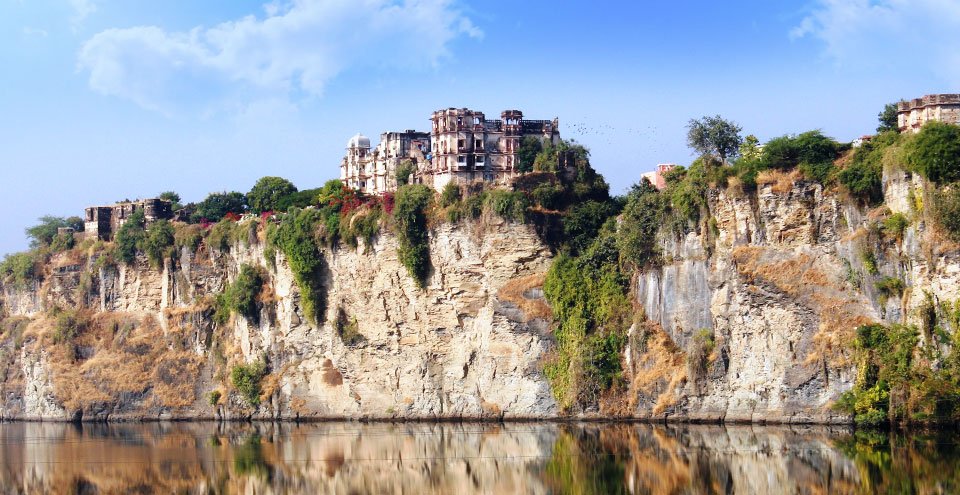
Bhainsrorgarh Fort is perched on a steep slate ridge, about 200 feet high, surrounded by the Chambal and Brahmani rivers. It is located 235 kilometers north-east of Udaipur and 50 kilometers south of Kota.
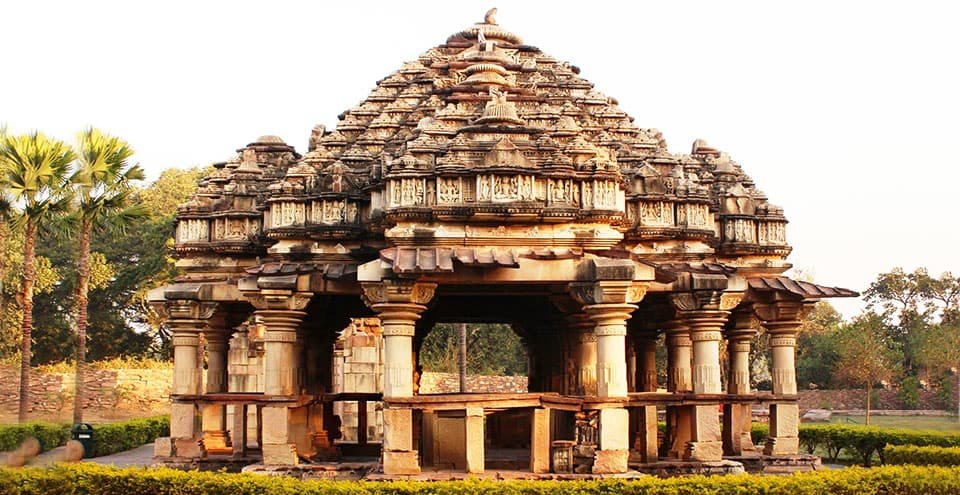
The ancient temples of Baroli, a wonderful example of Hindu architecture, was built by the Huna rulers in the 9th Century, and is located on the confluence of Brahmani and Chambal rivers in Rawatbhata.
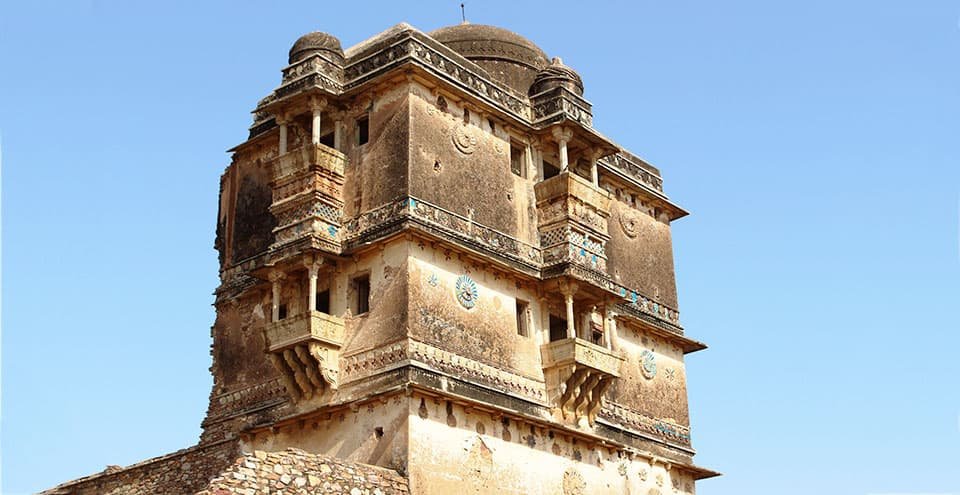
Located inside the the Chittorgarh Fort, Jaimal and Patta’s Palace is a symbol of the bravery and gallantry of the Rajputs.

Chittorgarh is a city that resonates with Rajputana pride, passion, and bravery. Full of forts and palaces that let you travel back to the past.
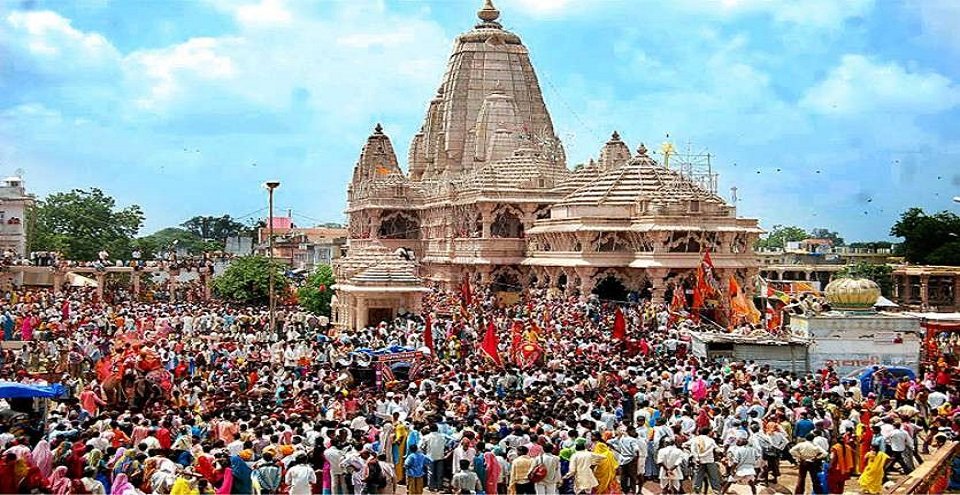
Constructed during the reign of the Mughal Emperor Aurangzeb, the Shahi Jama Masjid of Shahabad On the Chittorgarh Udaipur Highway a grand temple of Sanwaliya ji.
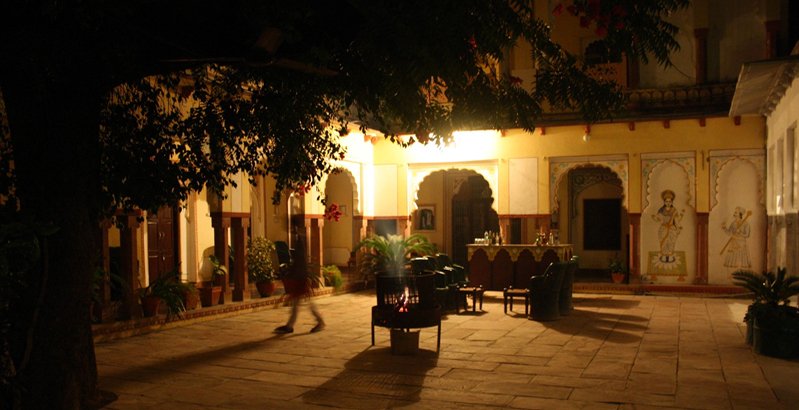
The ruins of a medieval fort built in the 16th century and the Shiva sagar Kund and temples are the main places of intrest in Bassi Village. Bassi village is famous for its wooden art.

A wonderful example of medieval India's temple architecture the Samidheshwar temple was built in the 11th century by Parmar Raja Bhoj of Malwa.

Bassi Wildlife Sanctuary established in 1988 is situated at a distance of five kilometers from Bassi village. This sanctuary falls in Vindhyan hill range.
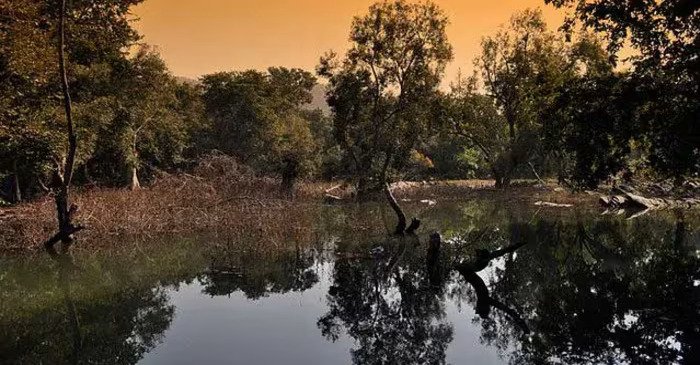
Sitamata wildlife Sanctuary is spread over the Aravali and Vindhyachal ranges. It is the only forest where teak trees of building value are found. .
 Nearest Airport Maharana Pratap Airport, Dabok at approx 90 km.
 Regular buses are available to Chittorgarh from all major cities in Rajasthan.
 Chittorgarh is well connected by rail to Udaipur, Jaipur, Ajmer, Ratlam, Delhi, Kota and other major cities.
