Jhalawar sits in the southeastern part of Rajasthan, offering a unique blend of natural beauty, royal history, and vibrant culture. Unlike the arid landscape found in much of the state, Jhalawar surprises visitors with its greenery, rivers, and hills. This refreshing contrast adds to its charm.
Firstly, founded in the early 19th century by Jhala Zalim Singh, the city carries the legacy of the Jhala Rajput clan. Secondly, the rulers developed not only forts and palaces but also patronized art, education, and architecture. Thirdly, over the years, Jhalawar evolved into a cultural and political center. Today, its monuments reflect stories of courage, devotion, and refinement.
Jhalawar houses several architectural marvels that captivate history enthusiasts. Moreover, The Jhalawar Fort, also known as Garh Palace, features beautiful frescoes and intricate artwork. Nearby, the Bhawani Natyashala stands as a rare 19th-century theater that once hosted live performances with secret underground passageways.
In addition to its palaces, the city showcases ancient temples with detailed carvings and spiritual energy. For example, the Chandrabhaga temples reflect the excellence of early medieval architecture. These sacred sites continue to attract pilgrims and travelers from different parts of India.
Additionally, surrounded by the lush Hadoti region, Jhalawar offers natural scenery rarely found in other parts of Rajasthan. Rivers like the Chandrabhaga and Kali Sindh add life to the landscape. During the monsoon, the area becomes even more vibrant, making it a perfect destination for nature lovers and photographers.
The Kolvi Caves, carved out of volcanic rock, combine natural wonder with ancient Buddhist history. Moreover, These caves remain an important attraction, especially for those interested in archaeology and spirituality.
Cultural celebrations breathe life into the city. Festivals like Holi, Diwali, and Gangaur unfold with color, music, and tradition. However, Local markets sell handicrafts, fresh produce, and regional delicacies that offer a taste of authentic Rajasthani life. While modern development continues, the city still holds tight to its roots.
Jhalawar remains well-connected by road and lies close to major cities like Kota and Jaipur. Travelers often find the roads scenic and the journey comfortable. Additionally, Accommodation ranges from budget lodges to heritage hotels, giving visitors multiple options for their stay.
In conclusion, Jhalawar combines royal heritage, ancient art, and natural splendor into a destination worth exploring. Whether you’re drawn to history, spirituality, or scenic beauty, this city offers something meaningful for every traveler. Its peaceful charm, layered culture, and offbeat appeal make it a standout gem in Rajasthan’s crown.

Situated in the centre of the town, the Jhalawar fort or Garh Palace is a beautiful monument. It was built by Maharaj Rana Madan Singh and his successors between 1838-1854 AD.

The Jhalawar Government Museum is one of the oldest museums in Rajasthan established in 1915 A.D and has a fine collection of rare paintings, manuscripts and idols.

The Bhawani Natyashala is one of the most unusual theatres in India, constructed in 1921 A.D by Maharaja Bhawani Singh.
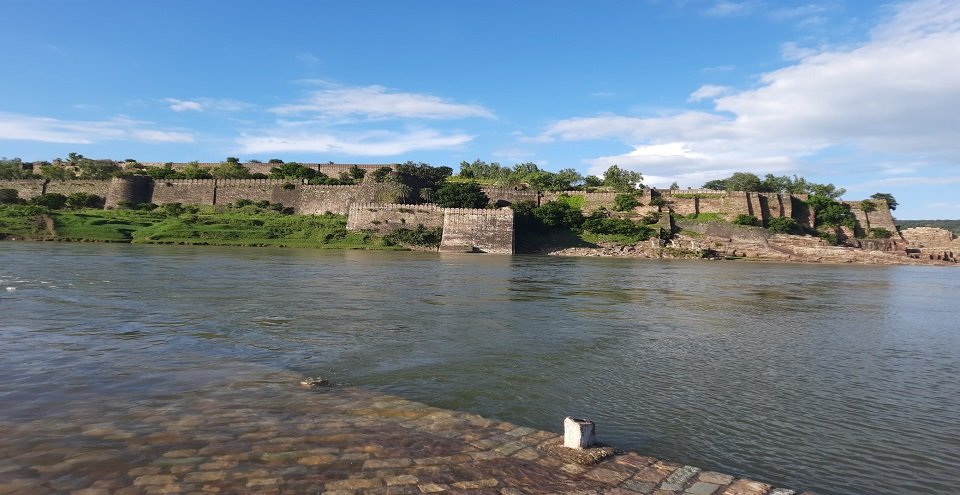
Gagron Fort is a fine example of a hill and water fort. It is one of the six hill forts of Rajasthan included in the UNESCO World Heritage Site list.

On the banks of the magnificent Chandrabhaga River stand some beautiful temples with intricately carved pillars and arched gateways.

The finest temple of jhalrapatan is the 97-ft high, 10th-century temple dedicated to Lord Vishnu. It is popularly known as the Padmanabha or Sun Temple.
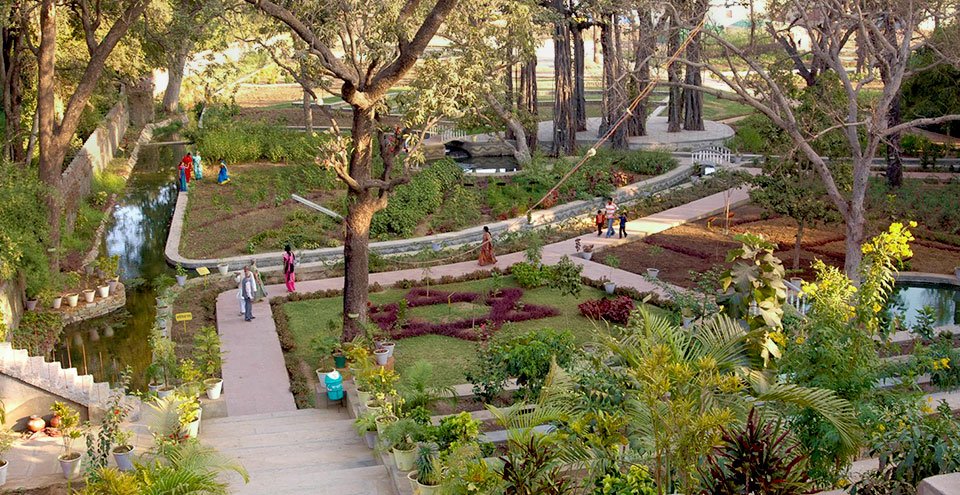
Herbal garden is located close to the Dwarkadheesh temple and has a wide variety of herbal and medicinal plants like Varun, Laxmana, Shatavari, Stevia, Rudraksha Sindoor, etc.

The temple was built by Jhala Zalim Singh, Dewan(fozdar0 of kota state in 1796 AD on the banks of Gomati Sagar Lake. In 1806 A.D, the idol of lord Krishna was installed here.
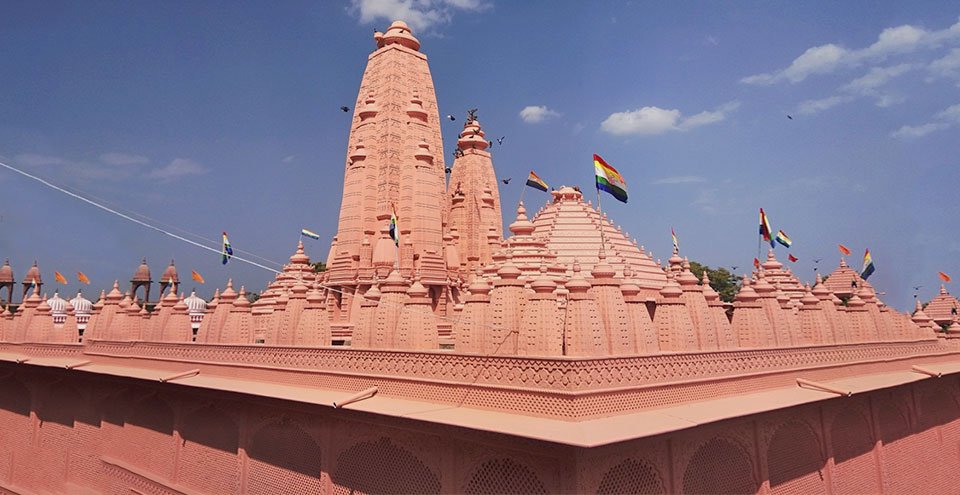
Take a leap into the 17th-century’s architectural splendour and religious sanctity by visiting the temple devoted to the first Jain tirthankar(ford maker), Adinath.
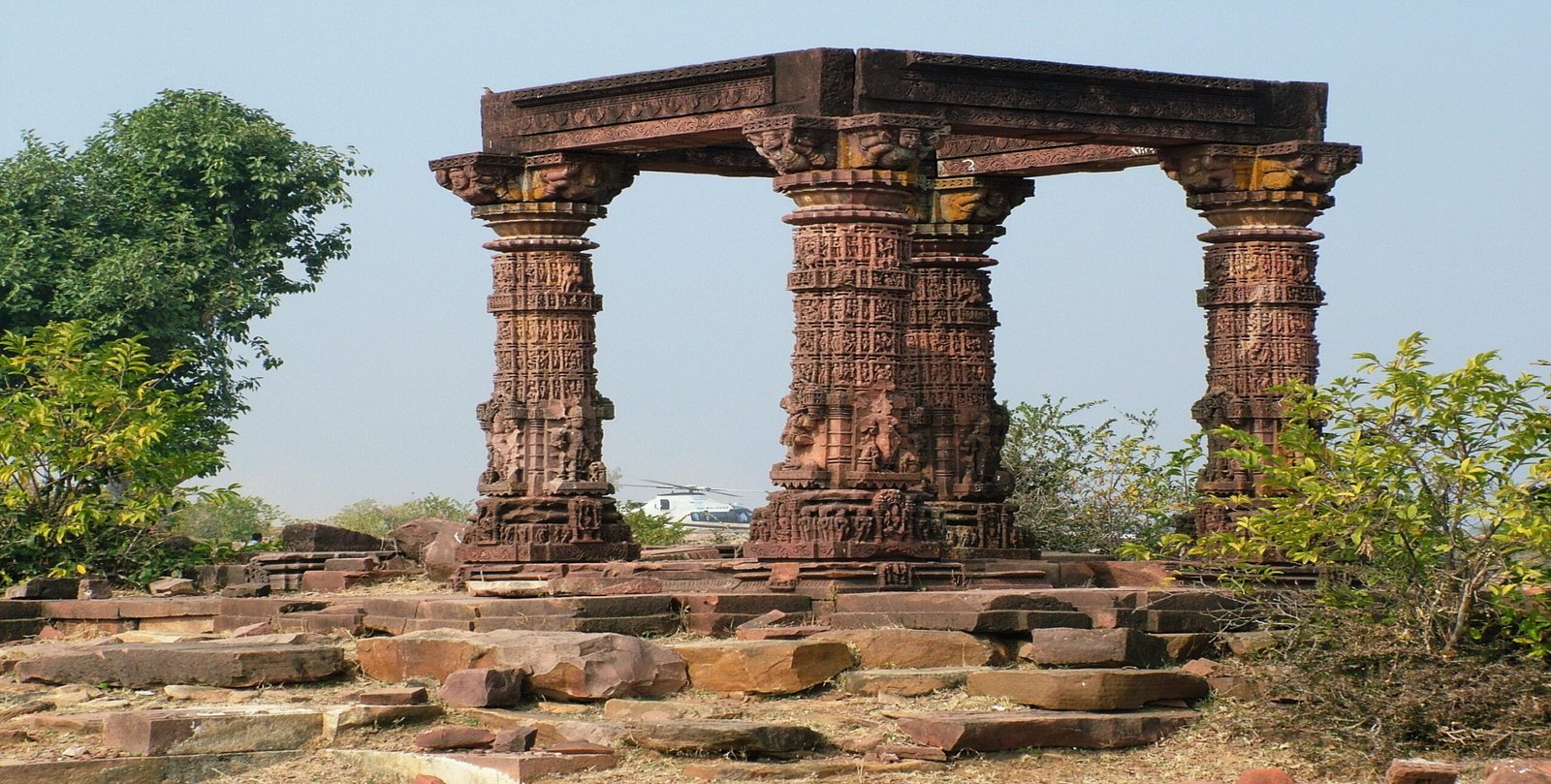
Dalhanpur stands on the banks of River Chhapi, close to an irrigation dam. A dense green forest adds charm to this antique place with beautifully carved pillars, torans and some erotic figures in the temple ruins.

One must visit this Jain piligrim centre, having a thousand year old statue of Lord Parshwanath. This pilgrim centre holds a very high religious value for Jains.

The Buddhist caves located in the Kolvi village are among Jhalawar’s greatest attractions. A colossal figure of Buddha and the carved stupas are the most impressive structures in the caves.

The Presentation of the historical and spiritual stories of Rajarshi Pipaji, who became a saint from the king of Gagron, may be seen in this panorama.

Located near the Sun temple is another exquisite example of temple architecture, the Shantinath Jain temple. This 92 ft high temple dedicated to the Jain Tirthankar Shantinath, dates back to the 11th century.
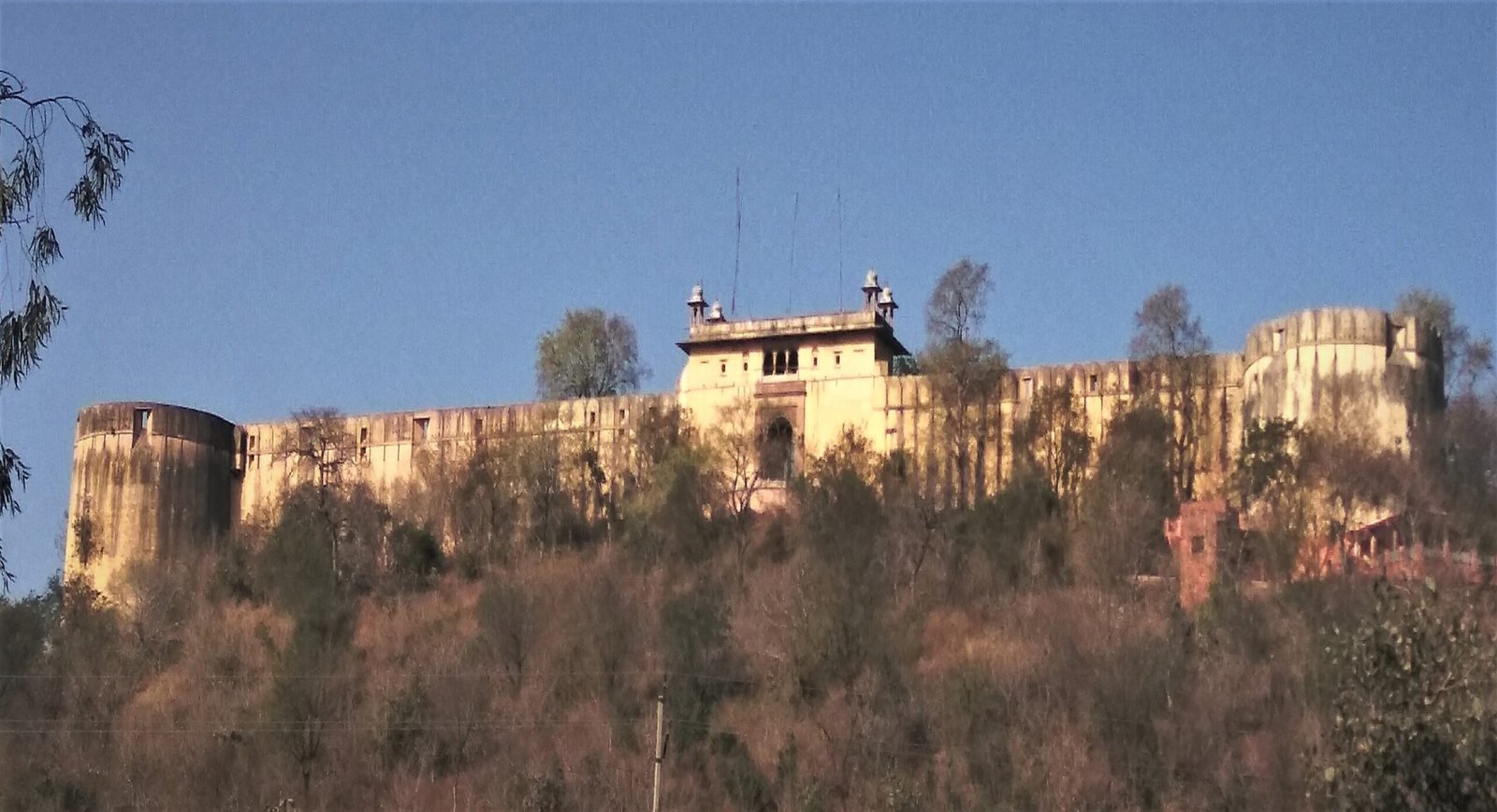
This fort was constructed in 1860 AD by king Prithvi Singh, the ruler of Jhalawar. This fort is said to be among the last few forts those were constructed in Rajasthan in this period.